
In Prehistoric Planet Ice Age, puppetry plays a central role in shaping the look and movement of the animals featured in each episode. Artists build physical models that match the proportions, posture and expected behavior of Ice Age creatures based on current paleontology research. These puppets serve as guides for camera crews, helping them understand how a creature might fill a frame or interact with natural light before digital animation is added.
The puppets are moved through small sections of real environments, giving filmmakers reference material for shadows, texture, and the way light passes across surfaces. This practical step helps animators avoid guesswork later in the process. Instead of imagining how a creature might shift its weight or respond to its surroundings, the digital team can study footage captured directly on set. This keeps each shot grounded in something tactile, even though the final creatures are created with digital tools.
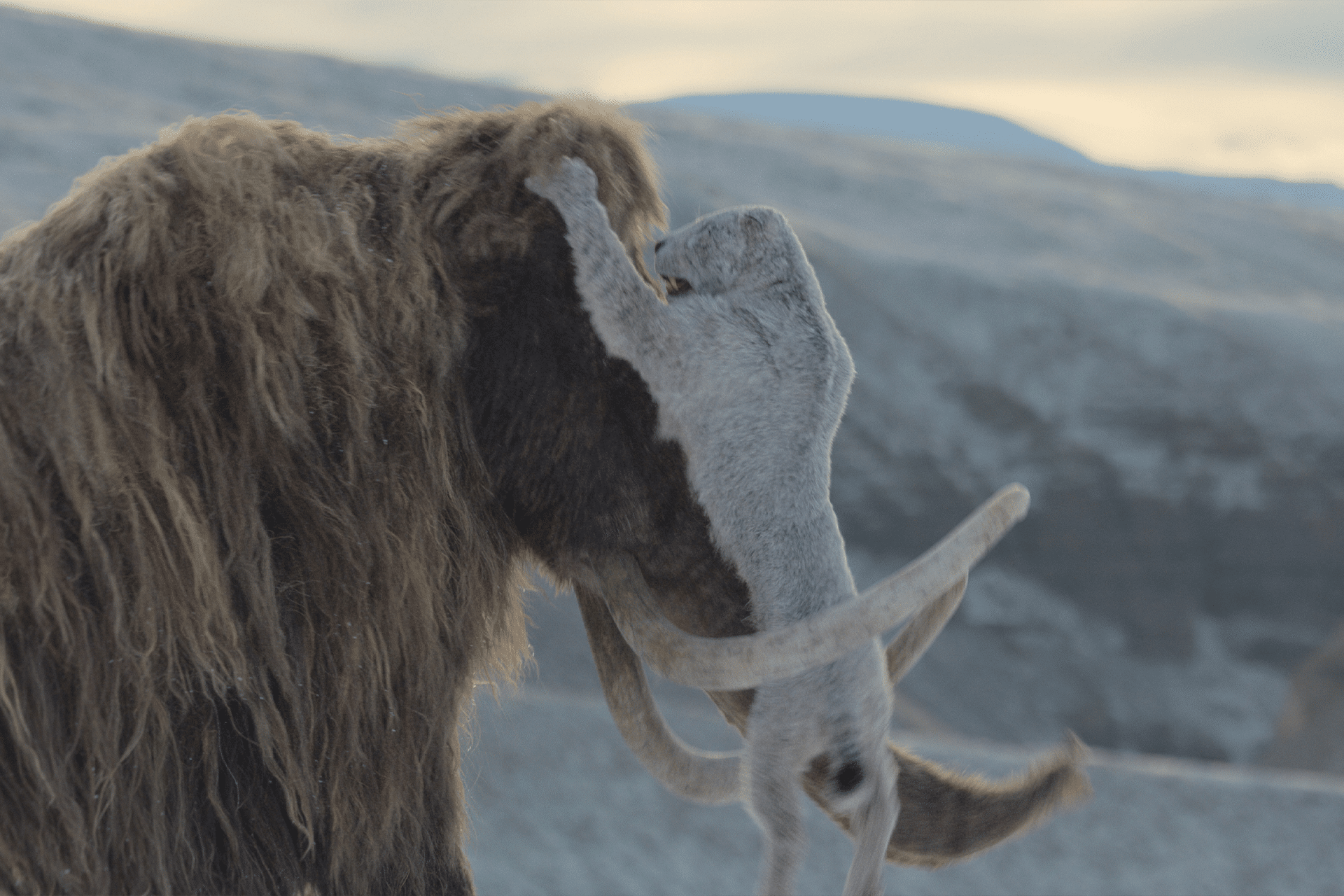
How Puppetry Supports Apple TV’s Visual Effects Workflow
The production team treats the puppets as placeholders for the full digital creatures.
Camera operators track the models as if they were filming real animals, capturing natural movement patterns that guide the animation team.
These early passes become planning material, helping artists map where the creature’s body will move, where its eyes will focus, and how it will interact with the space around it.
This blend of practical and digital techniques is part of Apple TV’s approach to natural-history storytelling. Puppetry provides structure for scenes that rely on scientific research, giving animators a clear starting point rather than building entire moments digitally from scratch. The result is a steady, grounded style that aims to show how these animals might have behaved without overstating their actions.
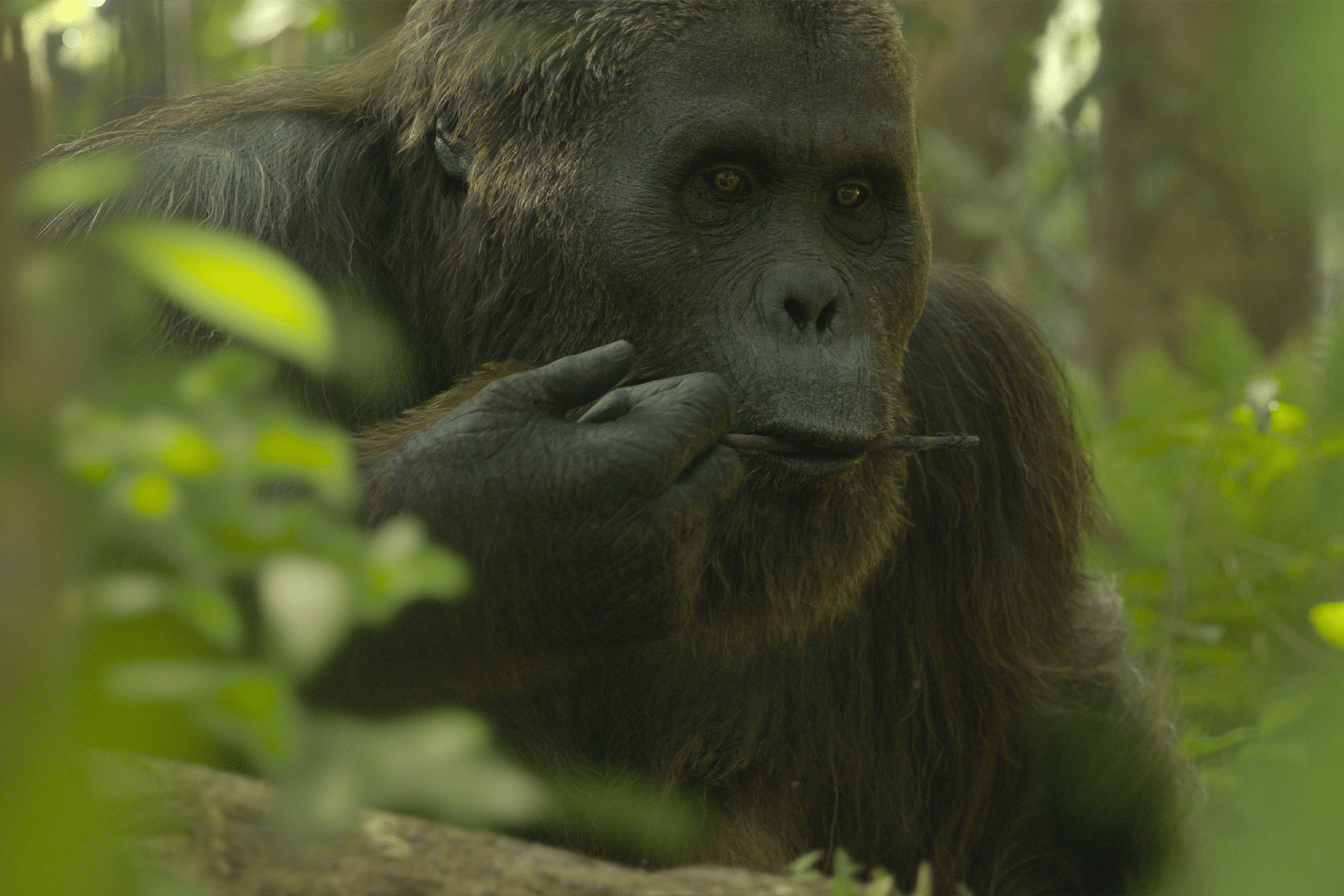
Shaping Ice Age Environments Through Practical Builds
Along with the puppets, the team constructs small portions of Ice Age landscapes using sand, textured soil, rock surfaces and snow substitutes.
These materials respond to touch, wind and light in ways that help artists study how a full environment might behave.
The production uses these practical builds to understand details such as footprints, dust movement and surface reaction—elements that later help digital teams blend physical reference with computer-generated landscapes.
Set designers also incorporate research on Ice Age climate and vegetation. Fossil studies, ground layering and environmental patterns guide choices about rock color, light diffusion and the density of snow or soil. When puppets move through these spaces, filmmakers can see how an animal’s body might push against the terrain, shaping decisions about posture and range of motion.
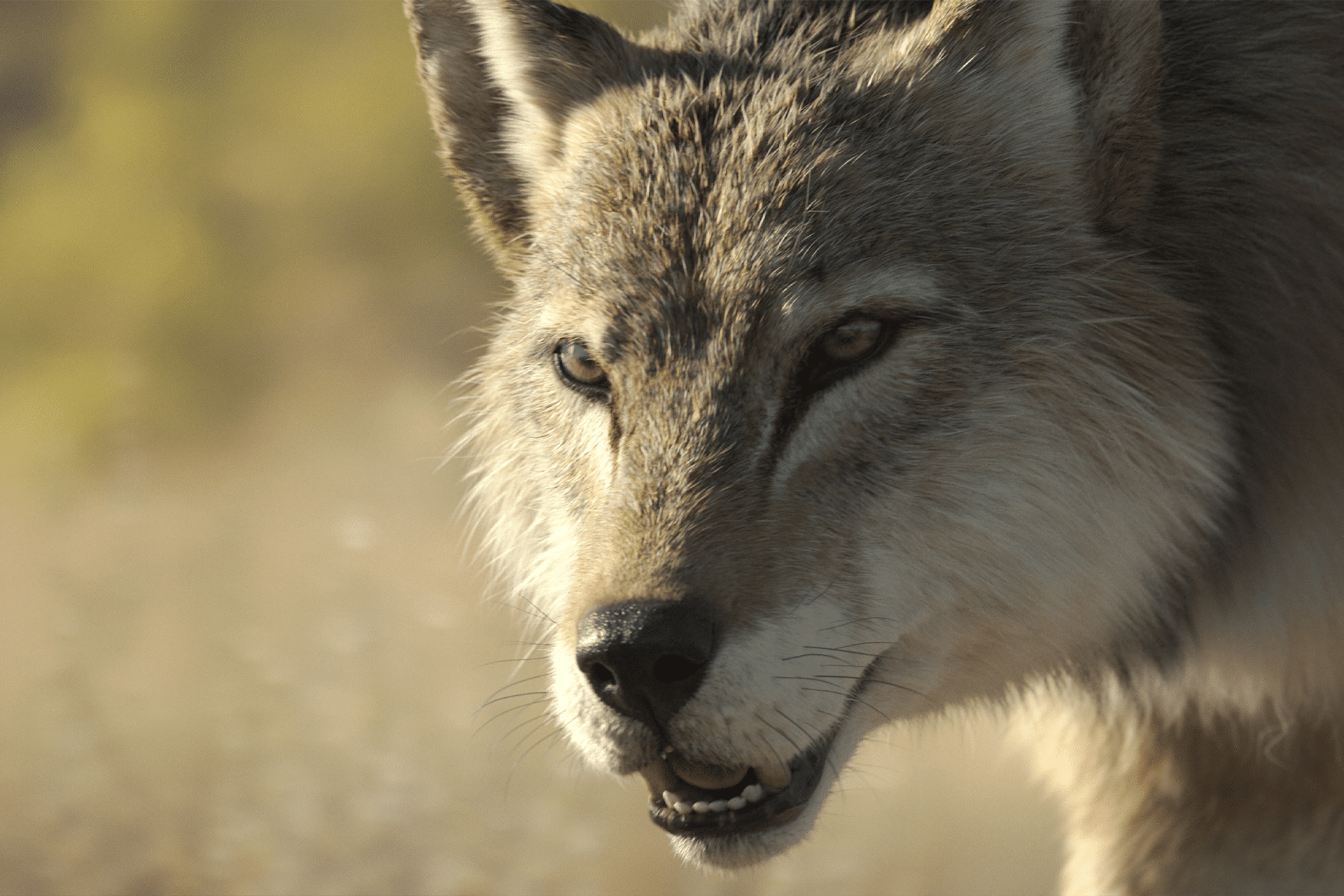
Why Puppetry Helps Create Natural Moments
Using models allows directors to experiment with small gestures and behaviors before committing to final animation.
A puppet can be tilted, slowed or redirected quickly, allowing the team to discover small actions that make a scene feel alive.
These simple adjustments often influence the final edit, giving the production a sense of spontaneity that does not rely on dramatic storytelling.
This method also keeps the visuals accessible for younger audiences, since the creatures’ movements come from a mixture of physical reference and digital detail rather than entirely computer-generated imagery. Apple TV’s natural-history series often use this balanced style to create scenes that feel approachable while still staying aligned with scientific insight.


