


Apple has introduced a new transparency measure for apps distributed in the European Economic Area (EEA), the United Kingdom, and the United States. The App Store will now clearly indicate on an app’s product page whether it qualifies as a regulated medical device in those regions.
This update affects apps that function independently or as part of a system intended for medical purposes, including diagnosis, prevention, monitoring, or treatment of diseases and physiological conditions. Such apps may require registration, certification, or authorization from relevant regulatory authorities. In the United States, that authority may include the Food and Drug Administration (FDA). In the United Kingdom, oversight may involve the Medicines and Healthcare products Regulatory Agency (MHRA). In the EEA, medical software may fall under the Medical Device Regulation (MDR) framework and require CE marking.
The new labeling is designed to provide users with additional clarity about the regulatory status of health-related applications before download.
Which Apps Are Affected
Developers distributing apps in the EEA, UK, or U.S. must now declare regulated medical device status in App Store Connect if their app meets either of the following criteria:
- The app’s primary or secondary category is Health & Fitness or Medical
- The app is marked as containing frequent references to Medical or Treatment Information in the Age Rating questionnaire
If either condition applies, developers are required to provide regulated medical device status along with relevant regulatory information. This may include contact details, safety information, and documentation confirming compliance with applicable regulations.
The requirement is already in effect for new apps that meet these criteria and seek distribution in the specified regions.


Compliance Timeline for Existing Apps
For existing apps already distributed in the EEA, UK, or U.S., the requirement becomes mandatory by early 2027. Developers must update their regulated medical device status within that timeframe.
If developers fail to declare the appropriate status by early 2027, they will no longer be able to submit updates for the app in those regions. This does not necessarily mean immediate removal from the App Store, but it does restrict the ability to push updates, bug fixes, or new features until compliance is addressed.
If an app does not qualify as a regulated medical device, developers can explicitly select “No” in App Store Connect to confirm that status.
Health Applications
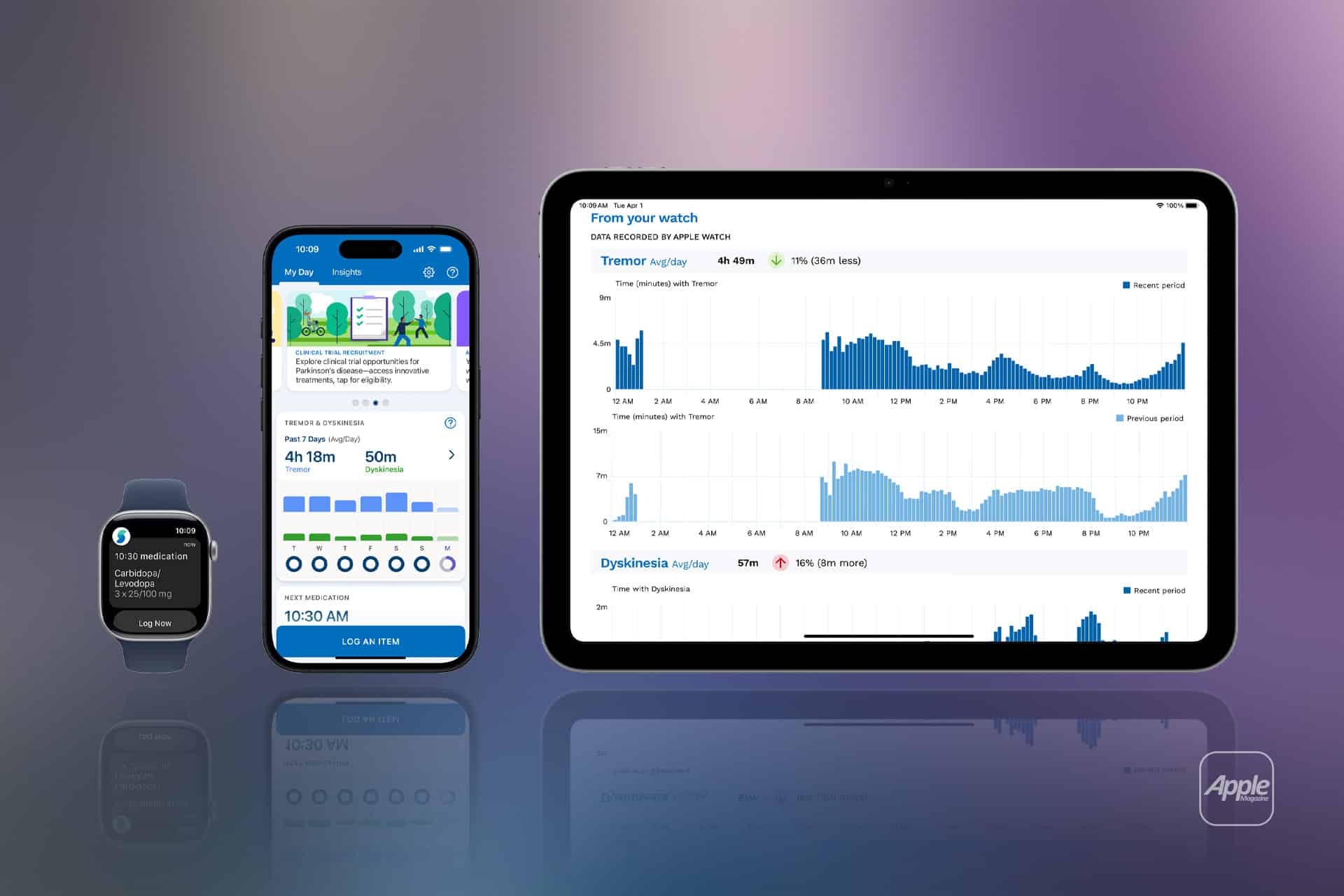
Health-related software has grown rapidly across the App Store ecosystem. Apps now support blood glucose tracking, heart rhythm monitoring, medication reminders, fertility planning, mental health journaling, and other sensitive medical functions. Some apps operate alongside connected medical hardware, while others rely solely on device sensors and user input.
As digital health tools become more sophisticated, regulatory oversight has expanded. Certain health applications may meet the legal definition of a medical device depending on their claims and functionality. For example, software that analyzes physiological data to provide diagnostic insights may require regulatory authorization.
The new App Store disclosure does not itself grant or deny regulatory approval. Instead, it clarifies whether the developer has identified the app as falling under regulated medical device frameworks.
Users browsing the App Store in affected regions will now see this information directly on the product page, providing clearer context about how the app is classified under local regulatory standards.

Regional Regulatory Context
In the United States, the FDA regulates medical devices, including certain categories of software-based tools. Depending on risk classification, developers may need to submit premarket notifications or obtain clearance before distributing their applications as medical devices.
In the United Kingdom, the MHRA oversees medical device compliance. Following Brexit, UK-specific regulatory pathways have diverged from the EU framework in certain respects, requiring distinct registrations in some cases.
In the EEA, medical software that meets device definitions falls under the EU Medical Device Regulation (MDR), which requires CE marking and adherence to conformity assessment procedures.
Apple’s update reflects these regional regulatory distinctions by limiting the disclosure requirement to the EEA, UK, and U.S.
Developer Responsibility in App Store Connect
Developers must now review their app’s categorization and age rating questionnaire responses carefully. Apps in the Health & Fitness or Medical categories, or those referencing medical or treatment information frequently, trigger the obligation to declare status.
In App Store Connect, developers must provide:
- Regulated medical device status
- Relevant regulatory contact information
- Safety information as required
Failure to complete this declaration for qualifying apps will eventually limit update capabilities.
The new requirement reinforces that regulatory compliance remains the responsibility of the developer, not the platform.
Transparency as a Policy Direction
The introduction of regulated medical device labeling adds to the App Store’s broader pattern of increasing transparency in specific app categories. By clearly identifying regulatory status, Apple aims to give users more context before downloading apps that interact with health-related information.
As digital health tools continue evolving across regions with different legal standards, visible disclosure within the App Store interface becomes part of the distribution process.
For developers operating in the EEA, UK, and United States, early review of regulatory classification and documentation in App Store Connect will be necessary to maintain uninterrupted distribution beyond early 2027.