
Sam Altman is exploring the possibility of supporting or developing a rocket company, according to people familiar with recent discussions in the aerospace investment community. The interest places Altman in a field long defined by Elon Musk’s SpaceX, which transformed the U.S. commercial launch market through reusable rockets and high-frequency missions. Altman’s potential entry adds a new player to a sector where demand for launch capacity continues to climb as satellites, data networks and defense systems expand.
Industry observers say Altman has held early conversations with engineers and investors who have experience in orbital launch and spacecraft development. While no formal venture has been announced, the discussions suggest an effort to assess the landscape of emerging launch technologies, including reusable systems, advanced materials and AI-driven guidance tools. These early steps come as private companies compete for government contracts and commercial clients with growing frequency.
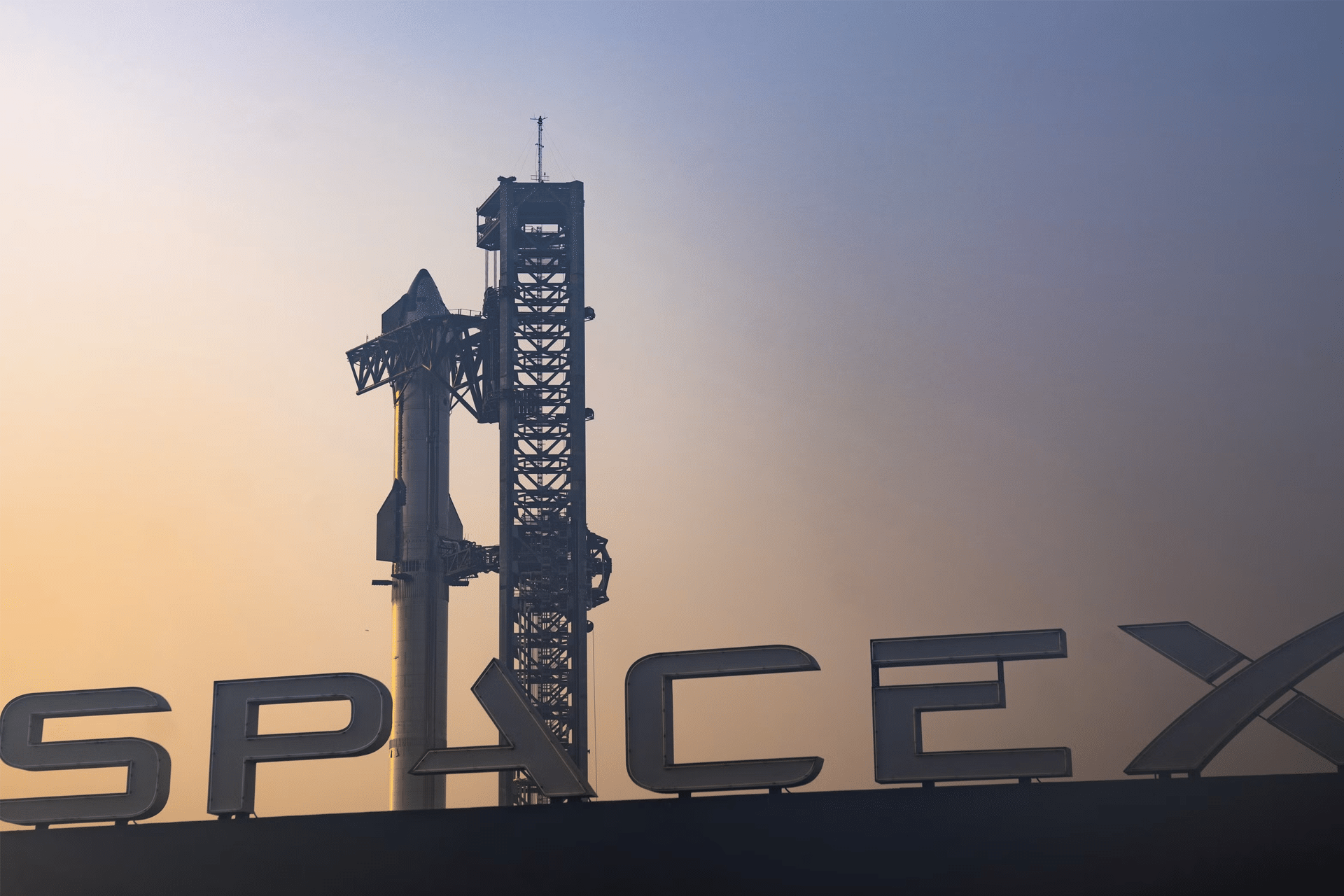
How Altman’s Interest Fits Into a Changing Space Industry
A new rocket venture would position Altman in a commercial space environment shaped by escalating demand for Earth-observation systems, broadband constellations and national-security payloads.
SpaceX remains the central player in this market, with a launch cadence that far outpaces its closest competitors, but emerging companies continue exploring alternative designs and propulsion systems.
AI-driven optimization tools now play a larger role in aerospace development, giving technology leaders an entry point into launch vehicle design and operational planning.
Altman’s track record as an early-stage investor and his leadership at OpenAI have placed him at the center of several next-generation technology efforts. His potential move into aerospace reflects an interest in high-impact sectors where infrastructure, long-term planning and advanced engineering align with broader innovation cycles.
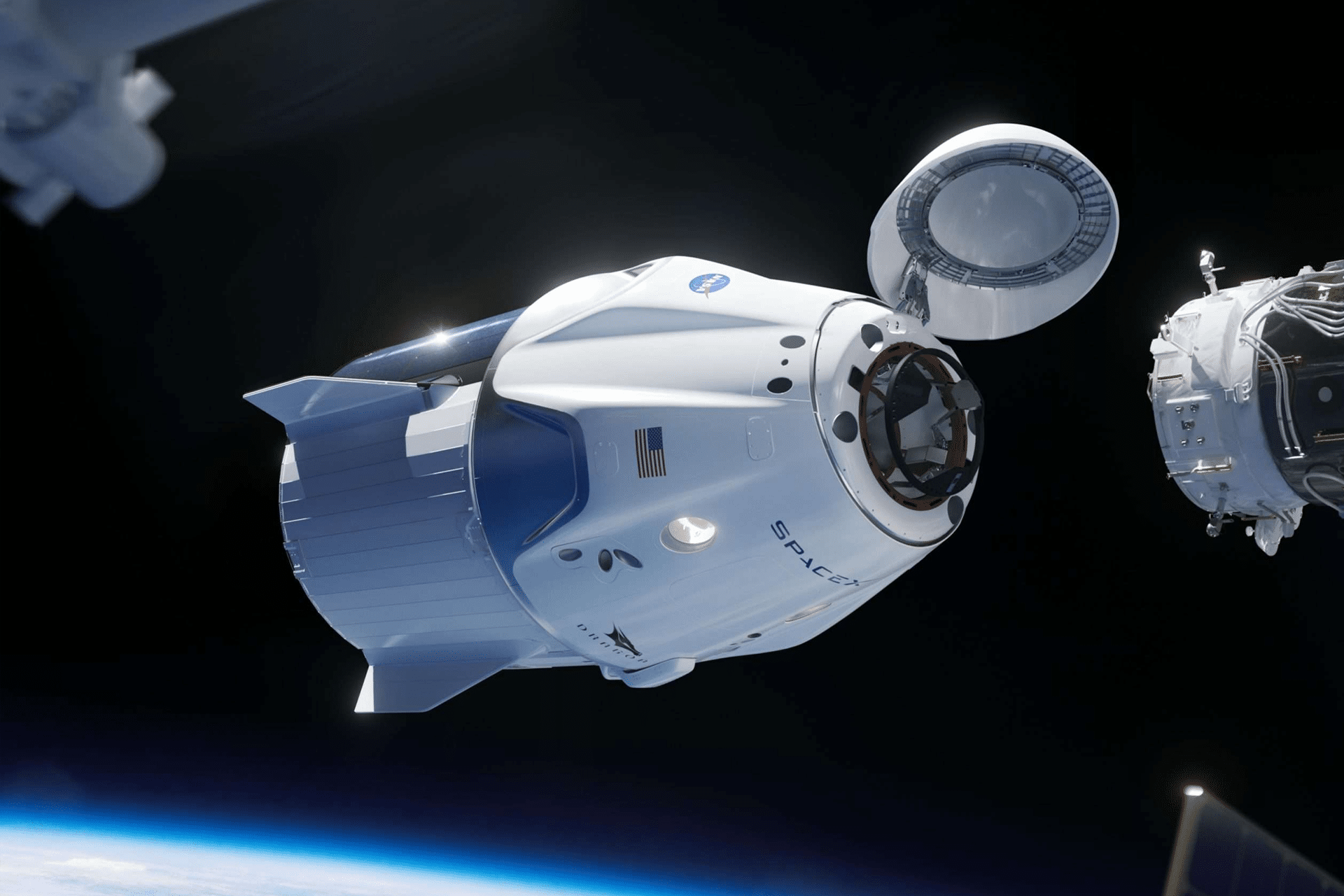
Competitive Landscape Shaped by SpaceX’s Dominance
Companies entering the launch market face major structural challenges.
SpaceX controls a significant portion of global commercial launches, benefiting from its reusable Falcon fleet and expanding Starship program.
Rivals have focused on specialized markets such as small satellites or responsive launch, where quicker deployment timelines create opportunities for new entrants.
Any venture led or backed by Altman would need to define a distinctive position within this landscape, whether through new manufacturing approaches, propulsion designs or advanced automation systems that reduce operational cost. Engineers familiar with recent discussions say interest includes evaluating how AI can assist in navigation, fault detection and real-time mission planning.
The commercial space sector has drawn increasing attention from high-profile technology leaders as launch costs decline and satellite infrastructure accelerates.
Defense agencies and private companies seek alternatives that diversify supply chains, creating momentum for additional players in the market.
Businesses building imaging networks, Earth-science instruments and communication constellations continue to expand, raising overall demand for orbital access.
Altman’s involvement could accelerate funding for early-stage teams developing experimental propulsion systems or reusable-vehicle prototypes. Investors who track aerospace activity say his presence would likely attract additional capital to a sector that often requires long development timelines and deep technical expertise.

Early Conversations
Sources familiar with early discussions say exploratory meetings have included engineers experienced in vehicle design, guidance systems and materials research.
No public timeline has emerged, but the conversations signal continuing evaluation of how a new entrant could position itself against established players while supporting customers that require frequent, flexible launch capacity.
Some analysts suggest that a focus on automation and rapid-turnaround operations could differentiate a new company in a market where cost, reliability and launch cadence drive customer decisions.
As the commercial space industry expands, the prospect of a rocket company backed by a figure as prominent as Altman introduces new questions about the future of launch competition. With government agencies, defense contractors and private satellite operators seeking additional capacity, any new entrant with significant funding would shape expectations for how the next phase of the space race unfolds.