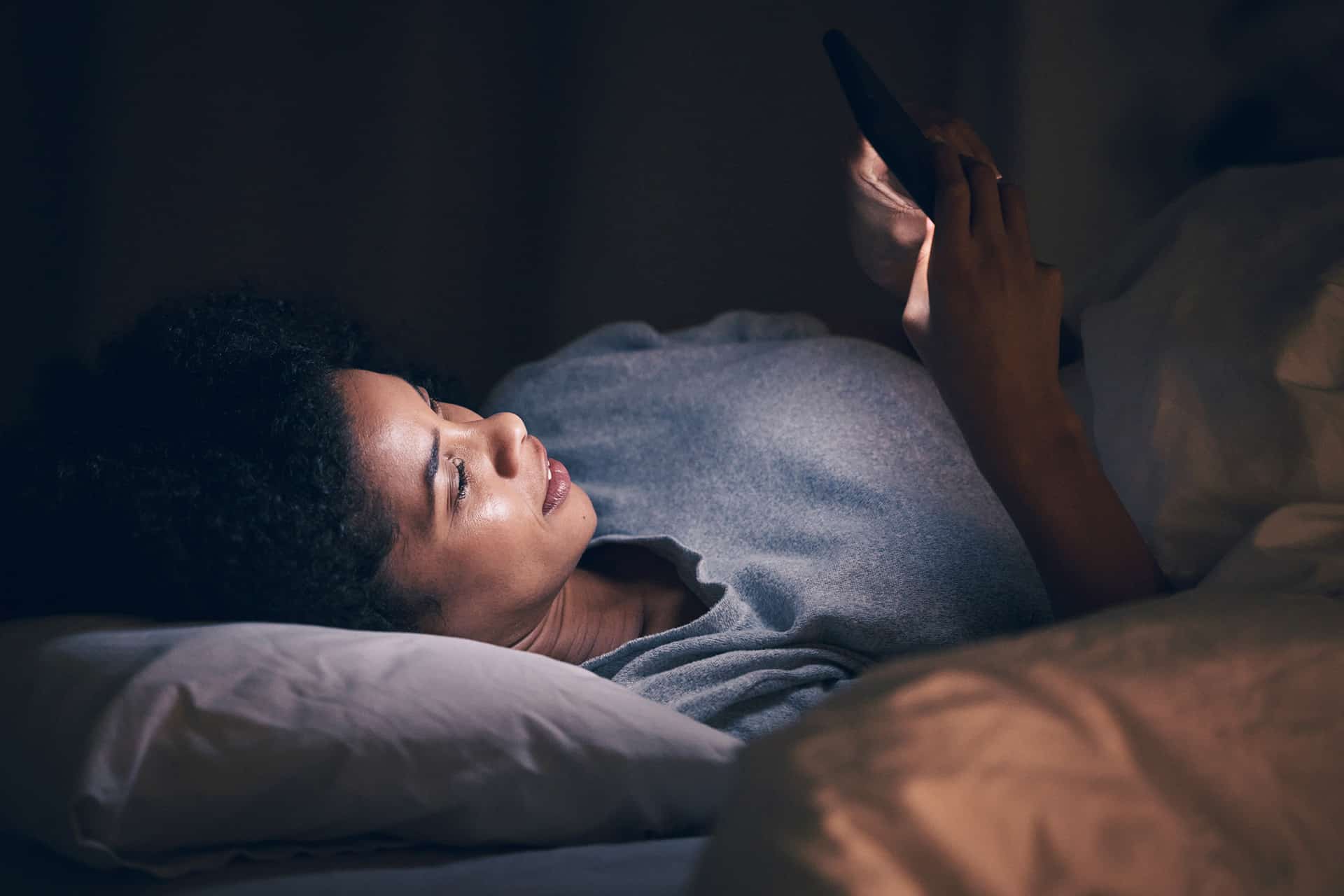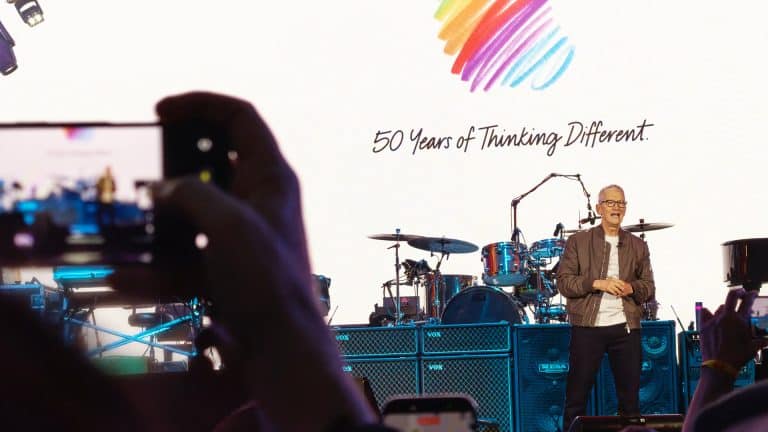
During Apple’s 50th anniversary reflections, Tim Cook took a position that stands out in the technology industry. Rather than promoting increased device usage, he emphasized balance. He encouraged users to step away from screens more often and spend meaningful time offline. Coming from the leader of one of the world’s largest smartphone companies, the message carries particular weight.
Apple has built its ecosystem around powerful devices and digital services, yet it has also invested heavily in tools that help users understand and manage screen time. Cook’s perspective aligns with those efforts. The idea is not to reject technology, but to use it intentionally.
The Role of Screen Time in iOS
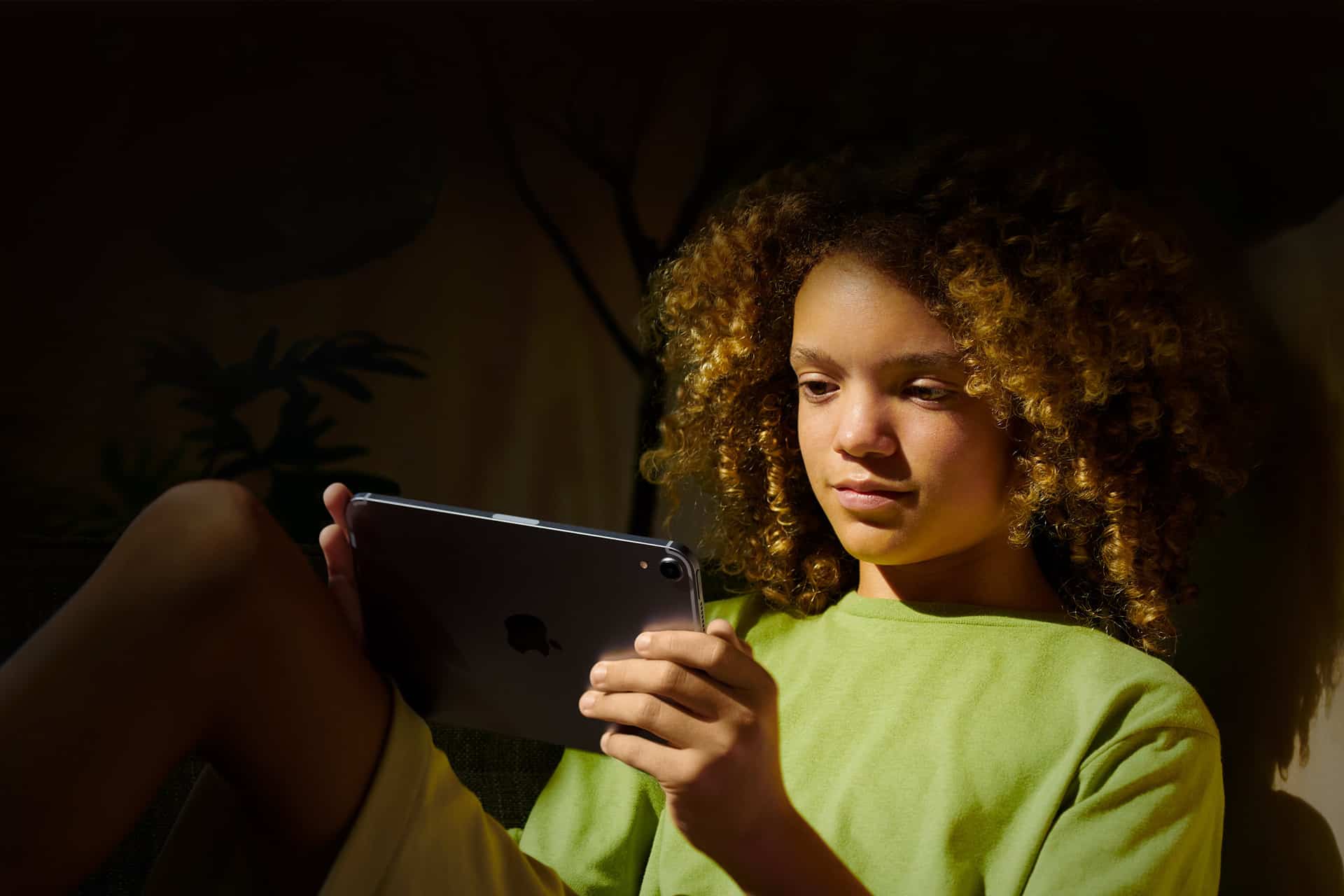
Apple introduced Screen Time to provide transparency. Instead of guessing how long a device is used, iPhone and iPad users can see detailed reports showing daily averages, app categories, and time spent on specific activities.
Screen Time breaks down usage into areas such as social networking, productivity, entertainment, and utilities. This visibility often surprises users. Minutes accumulate quickly throughout the day, especially through short, repeated interactions.
The feature also allows users to set app limits. Once a limit is reached, the system notifies the user and restricts access unless intentionally overridden. Downtime scheduling creates periods when only selected apps remain accessible, encouraging device-free intervals.
For families, Screen Time integrates with Family Sharing. Parents can monitor usage, approve app downloads, and establish limits for children. These controls are designed to promote healthier digital habits without removing access entirely.

A Different Industry Message
In an industry that frequently measures success by engagement hours and daily active users, encouraging reduced screen time may appear contradictory. Yet Apple’s approach has consistently emphasized privacy, control, and user autonomy.
Tim Cook’s comments reflect that philosophy. Technology should serve life, not dominate it. Devices are tools for communication, creativity, learning, and productivity. When usage becomes passive or excessive, it can dilute those benefits.
By building screen time tracking directly into the operating system, Apple reinforces the idea that awareness matters. Users do not need third-party apps to monitor habits. The data lives within the device.
Encouraging Off-Screen Activities
Cook’s message about off-screen time connects to broader conversations around well-being. Activities such as exercise, in-person conversation, reading, and outdoor experiences remain essential parts of daily life. Digital balance does not mean abandoning devices. It means creating space for physical presence and personal interaction.
Of course, managing how long you spend in front of a screen is only part of the equation. Even when you are intentional about your device use, as Apple’s own Tim Cook advocates, the hours you do spend looking at a display still put real strain on your eyes. That’s where protective accessories come in. Whether it’s blue-light-filtering glasses, prescription contact lenses, anti-glare screen protectors, or monitor privacy filters, the right gear can significantly reduce eye fatigue during the screen time you choose to keep.
Apple products themselves often support off-screen habits. Fitness tracking encourages movement. Calendar scheduling can block time for focused work or family dinners. Reminders can prompt breaks. The ecosystem provides structure without enforcing behavior.
The key is intention. Checking usage patterns through Screen Time can reveal whether device interaction aligns with personal priorities. If social media occupies more time than expected, limits can be adjusted. If work applications dominate evenings, downtime can be scheduled earlier.
Fifty Years of Growth and Reflection
As Apple marked five decades since its founding, reflection naturally followed. The company has evolved from early computers to smartphones, wearables, and spatial computing. With that evolution comes responsibility. Technology influences daily routines across billions of users.
Cook’s comments underscore that influence. Encouraging balanced screen time during an anniversary moment signals long-term thinking. It frames Apple’s products not just as devices for consumption, but as tools meant to enhance life without replacing it.
Screen Time remains one of the clearest examples of that philosophy in action. The feature does not remove access or judge usage. It provides information. What users do with that information remains their choice.
In a landscape driven by constant notifications and endless feeds, the ability to step away becomes meaningful. Screen time awareness, paired with intentional off-screen activity, reflects a broader conversation about how technology fits into everyday life.