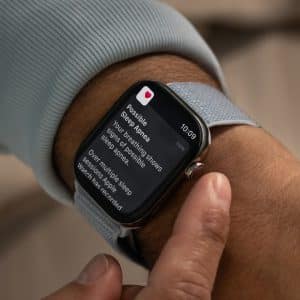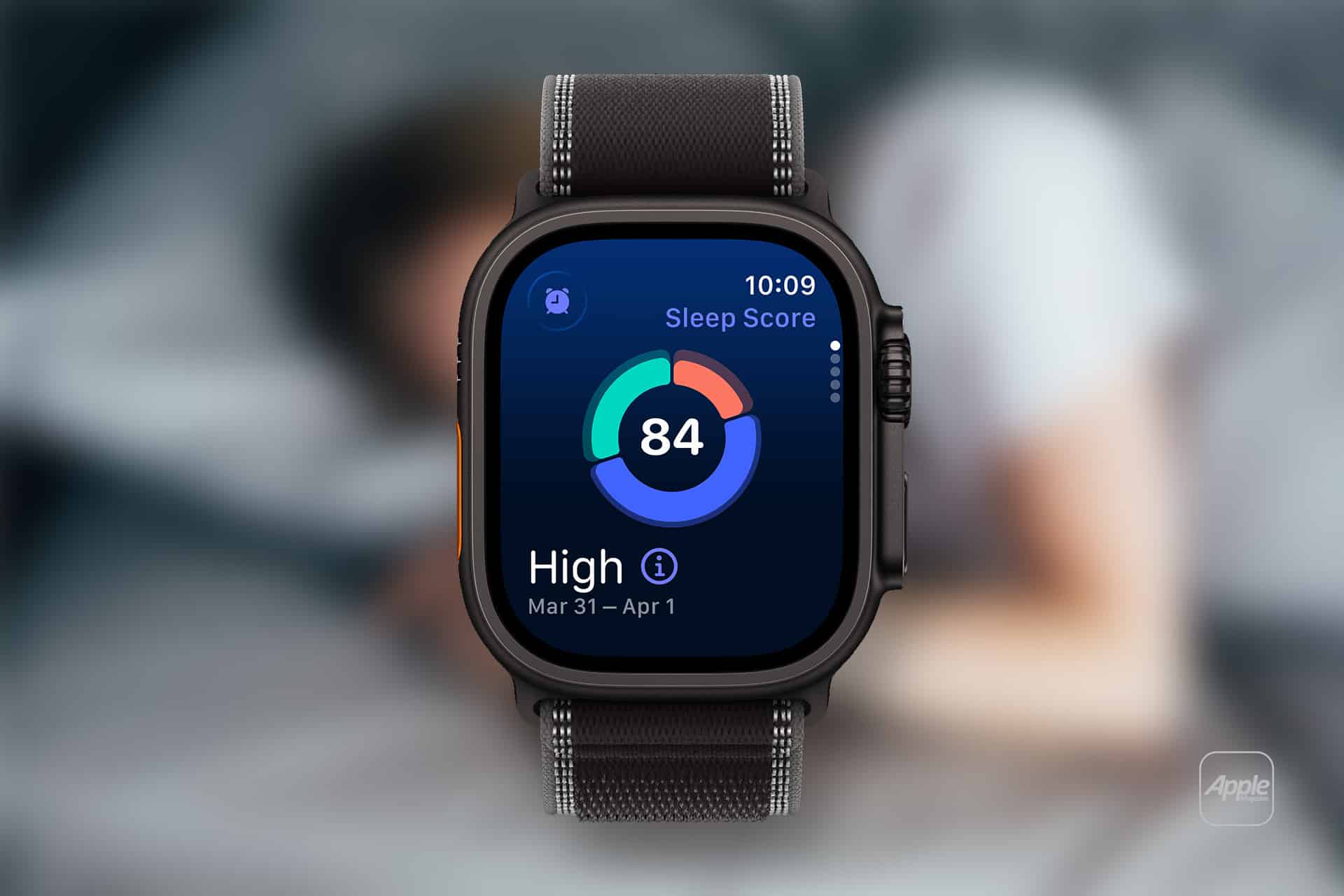
Sleep tracking on Apple Watch has evolved into one of the most sophisticated consumer health systems ever built into a wearable. What began as basic motion tracking has become a deeply integrated biological analysis tool that measures heart rate, breathing, temperature changes, blood oxygen, and even subtle wrist movements to paint a detailed picture of how your body recovers each night.
Early versions of Apple Watch relied mostly on accelerometers to detect when you were asleep or awake. Over time, Apple layered in heart rate variability, respiratory rate, blood oxygen monitoring, and wrist temperature trends. These signals allow watchOS to identify sleep stages such as REM, core, and deep sleep, revealing how restorative each night really was.
This evolution matters because sleep quality is not about hours alone. The body needs deep and REM sleep for memory, immune function, and metabolic health. Apple Watch makes these invisible processes visible in a way that was previously only possible inside medical labs.
As Apple refined its health platform, sleep data became part of a larger wellness system. Apple Watch now correlates sleep with workouts, stress levels, heart health, and even illness detection. A night of poor sleep can be reflected in lower recovery, elevated heart rate, or temperature shifts that indicate your body is fighting something.
This holistic approach turns sleep tracking into an everyday health companion rather than just a bedtime timer.

How to Set Up Sleep Tracking on Apple Watch
iPhone > Health app > Browse > Sleep > Get Started
Apple Watch app > Sleep > Turn On Sleep Tracking
During setup, you choose your sleep goal and schedule. Apple Watch uses this information to activate Sleep Focus, dim the display, and reduce notifications automatically.
How to Turn On Sleep Focus
iPhone > Settings > Focus > Sleep > Turn On
Apple Watch > Control Center > Sleep
Sleep Focus reduces distractions, dims notifications, and ensures the watch tracks your sleep without interruptions.

How to View Sleep Stages and Trends
iPhone > Health app > Browse > Sleep > Sleep Stages
Here you can see how much time you spent in REM, core, and deep sleep, as well as how often you woke up during the night. Over time, Apple Health builds weekly and monthly trends so you can see patterns forming.
How Apple Watch Measures Sleep Quality
Apple Watch uses multiple sensors working together. Heart rate changes show how relaxed or stressed your body is. Respiratory rate indicates breathing stability. Wrist temperature trends can reveal illness or fatigue. Blood oxygen levels provide insight into overnight oxygen saturation.
These data points allow Apple Watch to detect disruptions that you may not notice, such as frequent micro-awakenings or shallow sleep.
How to Improve Sleep Using Apple Watch Data
iPhone > Health app > Sleep > Sleep Schedule
iPhone > Settings > Focus > Sleep > Wind Down
Sleep Schedule helps you maintain consistent bed and wake times. Wind Down gradually reduces stimulation before bed by limiting notifications and screen brightness.
Using Apple Watch trends, you can see how workouts, alcohol, caffeine, and stress affect your sleep. Over time, patterns emerge that make it easier to adjust habits for better rest.

How to Use Sleep Tracking With Fitness and Recovery
iPhone > Health app > Browse > Fitness > Trends
Sleep quality directly affects training, recovery, and energy levels. Apple Watch combines sleep data with workout and heart rate information so you can see whether your body is ready for intense activity or needs rest.
This connection between sleep and performance is one of the most powerful aspects of Apple’s health ecosystem.
By quietly tracking your nights and turning biological signals into clear insights, Apple Watch helps transform sleep from something you guess about into something you can understand and improve.