SpaceX and Apple now sit on opposite sides of one of the largest platform shifts in technology: Apple controls the personal device layer, while SpaceX is building the orbital connectivity layer above it.
Under John Ternus, Apple may need a more deliberate strategy toward SpaceX and Elon Musk, not because the companies naturally align culturally, but because the next decades of personal technology may depend on a stack that connects devices, satellite coverage, direct-to-cell communication, edge AI, cloud computing, and orbital compute.
This is Part I of a Three-Part Story
Part I looks at SpaceX as the orbital gatekeeper. Part II will examine how Starlink, xAI, and orbital AI could collide with Apple’s installed base of devices. Part III will explore what Apple could do next: partner, build around SpaceX, stay independent, or risk losing influence over one of the most important infrastructure layers of the AI era.
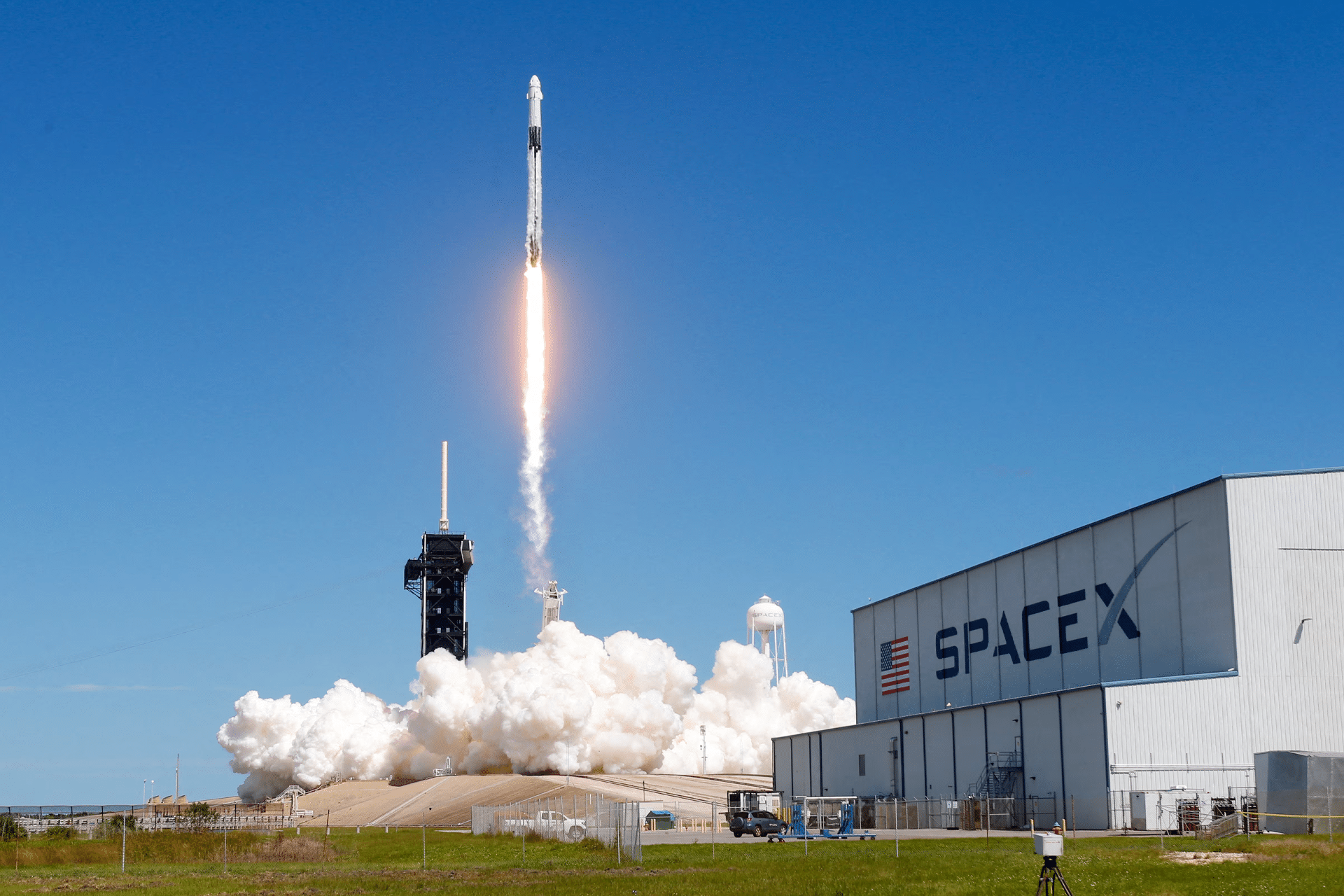
The scale already looks unlike anything else in commercial space. SpaceX conducted 170 launches in 2025 and deployed around 2,500 satellites that year. FAA Administrator Bryan Bedford said SpaceX has discussed a target of 10,000 orbital launches annually within five years, while Elon Musk has also talked about launching 10,000 satellites per year. Those numbers are not approved reality yet; the FAA has raised reliability, safety, airspace, funding, and launch-licensing concerns. But the ambition shows where SpaceX is trying to move: from launch company to planetary infrastructure company.
The user-provided figure that SpaceX has deployed 14,844 payloads into orbit should be treated carefully because public authoritative databases can differ by counting method, payload type, active status, failed satellites, deorbited spacecraft, and rideshare payloads. The broader point remains solid: SpaceX has become the dominant global deployer of orbital hardware, driven largely by Falcon 9 cadence and Starlink expansion. In 2025 alone, SpaceX’s roughly 2,500 satellite deployments were enough to exceed the total annual launch activity of most spacefaring nations and commercial rivals combined.
That is the basis for Apple’s strategic dilemma. If the next major shift in personal devices depends on always-available connectivity, direct-to-cell satellite messaging, remote AI access, low-latency orbital routing, and eventually compute in space, SpaceX is no longer only a launch partner or satellite internet provider. It becomes a platform owner.

Starlink Is Already the Infrastructure Layer
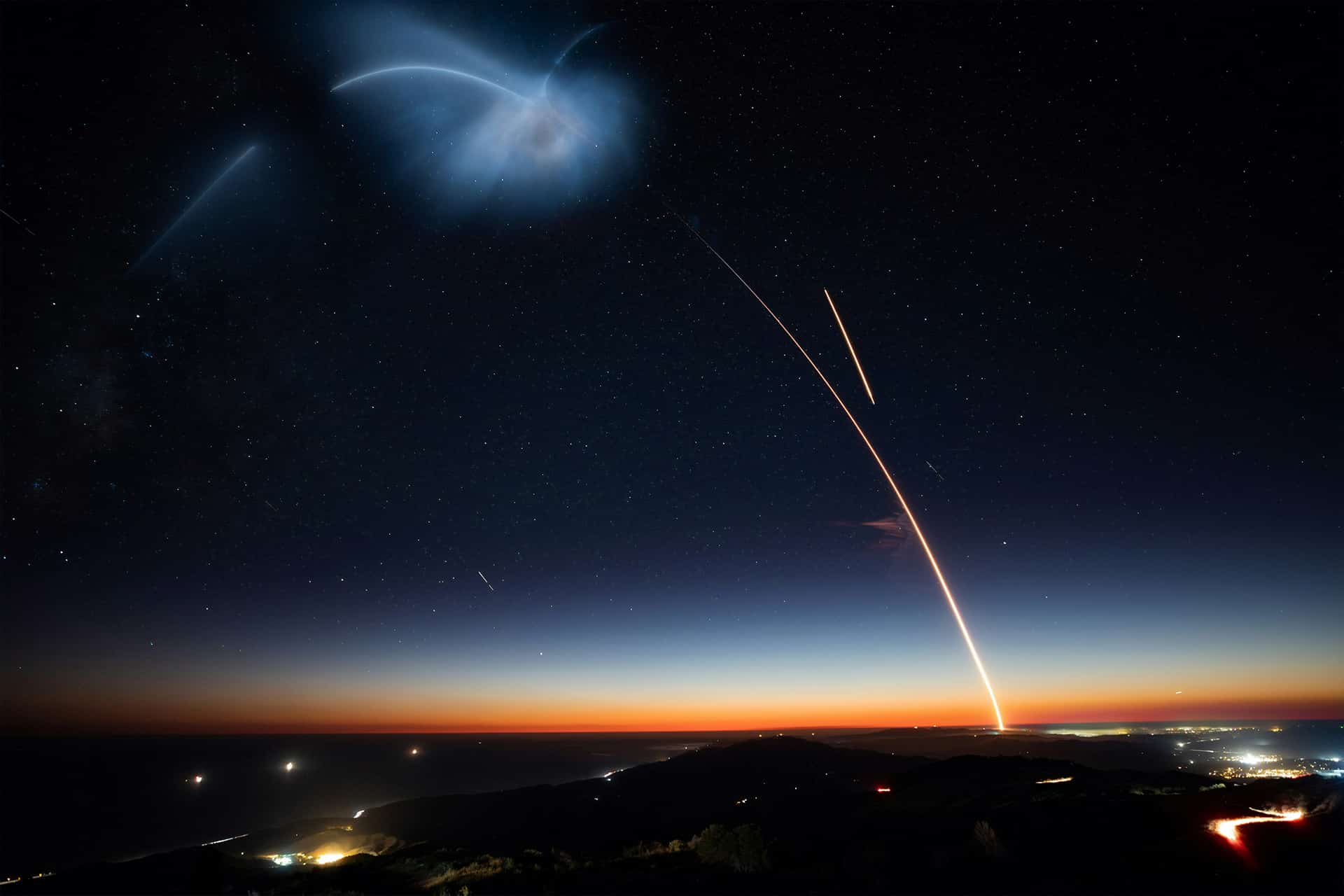
Starlink has moved beyond the early idea of satellite internet for rural homes. It is now a global low-Earth-orbit constellation with more than 10,000 satellites in orbit by 2026, according to public constellation trackers and industry reporting. The FCC has approved SpaceX to deploy an additional 7,500 second-generation Starlink satellites, raising the permitted total to 15,000 for now, even though SpaceX has asked for far more capacity over time.
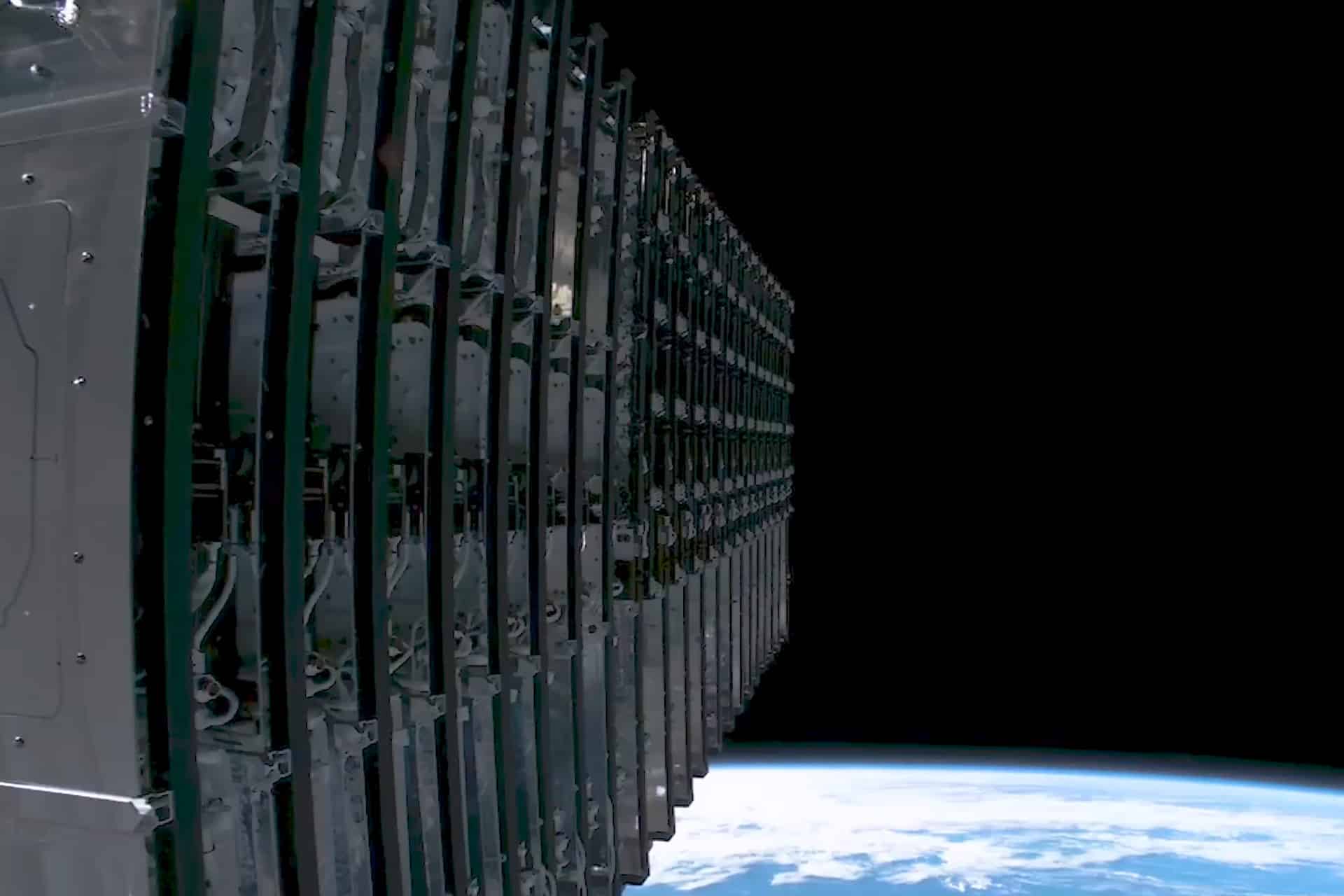
The technical architecture is what makes Starlink different from older satellite systems. Traditional satellite internet often depended heavily on ground stations and higher-orbit satellites with more latency. Starlink uses low-Earth orbit, phased-array antennas, dense satellite coverage, and optical inter-satellite links. SpaceX says each Starlink satellite contains three space lasers, also called optical inter-satellite links, operating at up to 200 Gbps. Across the constellation, those links allow traffic to move between satellites before reaching a ground gateway.
That orbital routing layer is the foundation for something larger. If satellites can talk to each other at high speed, the network becomes less dependent on immediate ground access in every geography. It can route traffic across space, serve remote regions, support maritime and aviation customers, provide resilience during disasters, and eventually support services that traditional terrestrial networks cannot reach.
For Apple users, the direct connection is already visible. iPhone supports Apple’s own Emergency SOS via satellite and Messages via satellite in supported regions through Apple’s satellite partners. T-Mobile’s T-Satellite with Starlink now extends direct-to-cell satellite communication far beyond Apple’s emergency-only framing. T-Mobile says the service works with compatible devices in most outdoor areas in the U.S., Canada, and New Zealand where the user can see the sky, supports texting and select satellite-ready apps, and is included with the carrier’s top plan or available for $10 per month. It is also available to users who are not T-Mobile customers.
That is the turning point. Satellite communication is no longer a rare rescue feature. It is becoming a consumer connectivity add-on.
Apple Built the Device Layer, SpaceX Is Building the Sky Layer
Apple’s installed base reached more than 2.5 billion active devices in early 2026, according to Tim Cook’s earnings-call disclosure. That gives Apple one of the largest personal-computing networks ever created: iPhone, iPad, Mac, Apple Watch, Apple TV, AirPods, Vision Pro, and future devices tied together through iCloud, Apple Account, App Store, Apple Pay, Apple Music, Apple TV, Find My, Health, Home, and Apple Intelligence.
That installed base is not only a number. It is distributed compute, sensors, cameras, microphones, location data, health signals, secure elements, neural engines, displays, batteries, radios, and user relationships. A single Apple user may already carry an iPhone, wear an Apple Watch, use AirPods, own a MacBook, keep an iPad nearby, and stream through Apple TV. The devices do not operate as one unified compute cluster today, but the ecosystem increasingly behaves like a personal mesh: Handoff, Continuity, AirDrop, iCloud, Universal Clipboard, Personal Hotspot, Apple Watch unlock, AirPods switching, Sidecar, and Apple Intelligence all push toward device cooperation.
That is Apple’s strength. SpaceX has the sky. Apple has the user.
The strategic gap is connectivity and large-scale AI infrastructure. Apple can perform more AI tasks on device, and it can use Private Cloud Compute for more complex requests, but its AI story still depends on ground-based data centers, carrier networks, Wi-Fi, and outside model partnerships. Starlink and future direct-to-cell services raise the possibility of iPhone-like devices staying connected when traditional networks fail or do not exist. Space-based AI infrastructure raises a more speculative but far larger question: what happens when part of the AI compute layer also moves above the Earth?
This is where the Ternus era becomes important. Apple’s next CEO will inherit a company built around devices, privacy, silicon, design, and services. SpaceX is building launch, satellites, direct-to-cell, optical routing, and proposed orbital data centers. The two companies may not need to merge strategies. But Apple cannot ignore a future where SpaceX controls a growing share of the infrastructure needed for global personal AI.

The Direct-to-Cell Shift Is the First Real Test
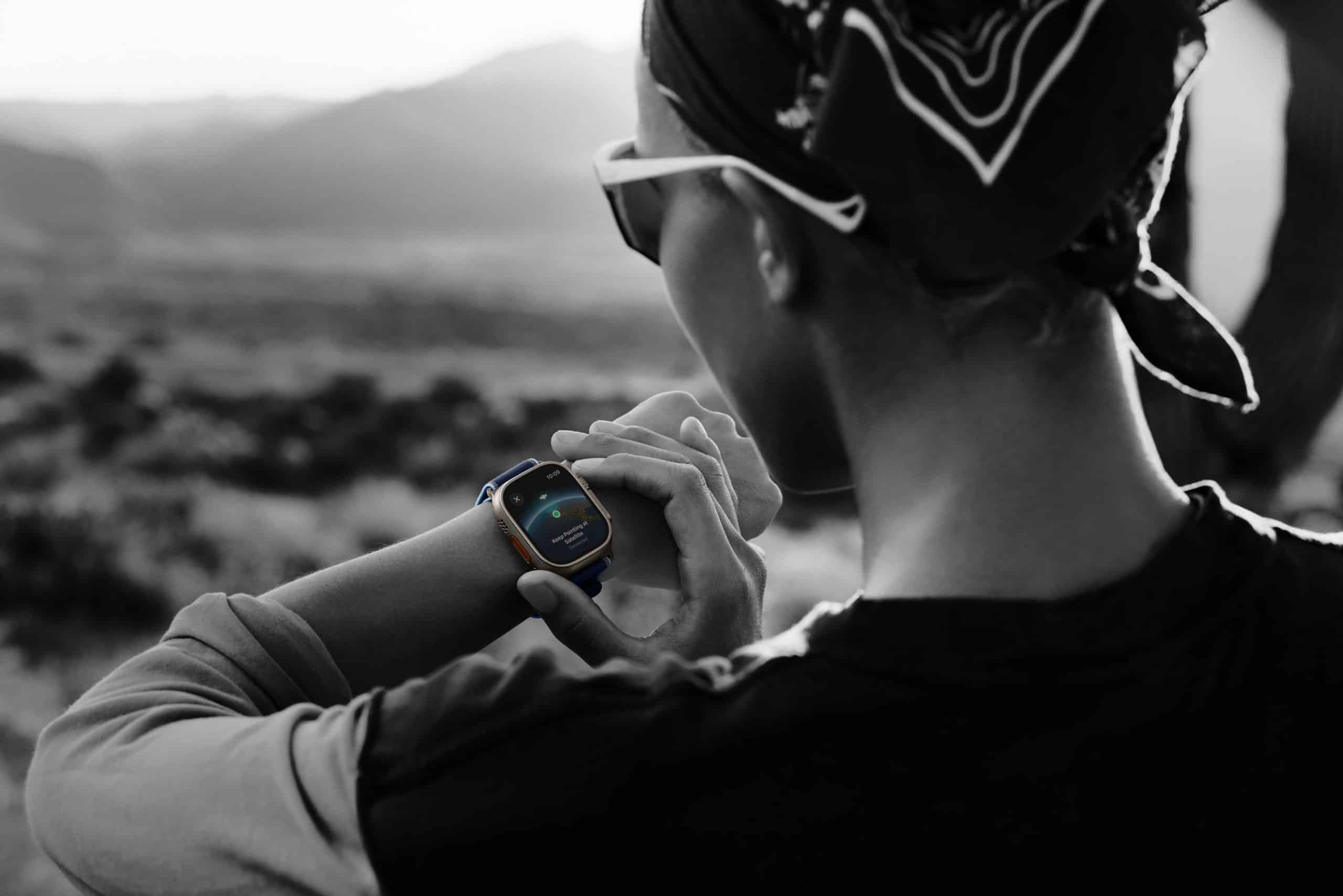
Direct-to-cell satellite communication is the most immediate reason Apple needs to watch SpaceX closely. Apple’s own satellite features created mainstream awareness, but they are limited by design. Emergency SOS via satellite is for safety. Messages via satellite works in supported countries and situations. The interface is carefully guided, and the feature depends on compatible iPhones, Apple’s availability model, and satellite access through Apple’s partners.
Starlink’s direct-to-cell path is different. SpaceX and T-Mobile are trying to turn ordinary phones into satellite-connected devices without special satellite hardware. Starlink says its mobile satellites form the world’s largest satellite-to-mobile constellation, with more than 650 satellites in low Earth orbit supporting direct-to-cell capability. The service is still limited, slower than terrestrial networks, dependent on sky visibility, and far from replacing 5G. But it changes expectations.
If users start thinking of satellite communication as a normal feature, Apple’s role changes. The iPhone becomes not only a premium smartphone but a terminal for a space-based network layer that Apple may not control. The company can integrate, optimize, and design user interfaces around it, but the orbital infrastructure belongs to someone else.
That is a familiar problem for Apple. The company spent years reducing dependency on Intel through Apple Silicon. It is now reducing modem dependency through its own C-series chips. It designs processors, secure enclaves, neural engines, operating systems, hardware, retail, services, and privacy architectures because control has always been the Apple way.
Space connectivity may be harder to internalize. Building an Apple-owned Starlink rival would require launch capacity, spectrum, regulatory approvals, satellite manufacturing, orbital operations, ground stations, laser links, carrier partnerships, and years of deployment. It would be one of the most expensive infrastructure projects Apple could attempt. A partnership, or a multi-partner strategy, may be far more realistic.
The Door to Space Is Becoming a Consumer-Platform Issue
SpaceX’s lead changes the way Apple should think about space. For years, satellite communication looked adjacent to Apple’s core business. Useful, but separate. Now it is moving directly into the device experience. Satellite messaging, rural coverage, emergency communication, aviation Wi-Fi, maritime broadband, remote work, disaster recovery, and direct-to-cell apps all touch consumer and enterprise devices.
That makes SpaceX more relevant to Apple than a traditional aerospace company would be. SpaceX is not only launching rockets. It is building a communications network that may eventually talk directly to phones, cars, wearables, homes, ships, aircraft, and connected devices. Its optical-link system creates an orbital backbone. Its Starship ambitions aim to lower launch cost and raise payload capacity. Its proposed orbital AI plans could push the network into compute.
Apple does not need to endorse every Musk timeline or every SpaceX ambition to recognize the strategic direction. The company has always built for long cycles. iPhone took years of technology convergence. Apple Silicon took more than a decade of chip work. Vision Pro was the result of years of spatial-computing development. Robotics, physical AI, satellite communication, and personal AI will also be long games.
The first article in this three-part story ends at the infrastructure question. Apple owns the most valuable personal device ecosystem in the world. SpaceX is building the most aggressive orbital infrastructure system in the world. In the next decade, personal computing may depend on both.
Part II will look at the more speculative but potentially larger shift: xAI, Starlink, solar-powered orbital compute, and how Apple’s 2.5 billion-device installed base could become the natural endpoint for AI served from space.