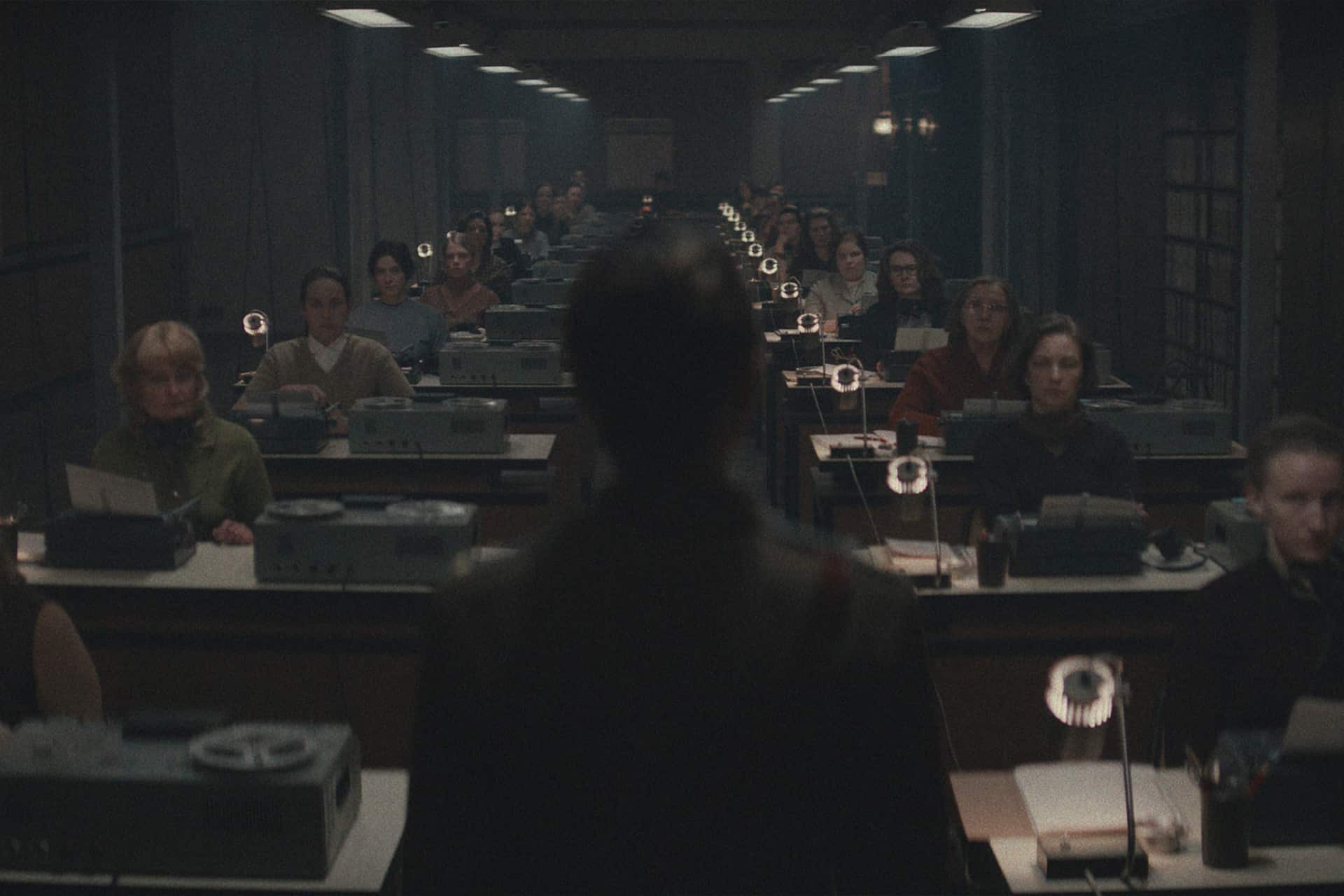

Apple TV is expanding the For All Mankind universe with Star City, a new series that shifts perspective to the Soviet side of the space race. If the original drama reimagined history by asking what would have happened had the Soviet Union landed on the Moon first, this new chapter moves deeper into the lives, institutions, and pressures behind that alternate timeline.
Star City centers on the Soviet space program at the height of geopolitical rivalry. In this universe, reaching for space was not simply a technological challenge. It was a political statement, a cultural assertion, and a gamble that carried consequences far beyond the launchpad. The new series promises to explore what ambition in orbit meant for those tasked with carrying a nation’s expectations — and what it cost them on Earth.
As a spinoff from For All Mankind, Star City inherits a narrative framework shaped by alternate history. The difference lies in vantage point. Rather than following American astronauts navigating an extended space race, this series moves behind the Iron Curtain, examining the engineers, cosmonauts, and families whose lives were shaped by secrecy, competition, and state pressure.
Star City: A New Perspective on the Space Race
The For All Mankind series established an expansive alternate timeline where space exploration accelerated through the 1970s, 1980s, and beyond. Lunar bases, interplanetary missions, and evolving political tensions became central to its storytelling. Star City extends that timeline while anchoring its drama in Soviet institutions and decision-making.
The title itself references the real-world Star City, the training center near Moscow where Soviet cosmonauts prepared for missions. In the Apple TV series, this setting becomes both a physical location and a symbolic one. It represents ambition, discipline, and the tension between public triumph and private uncertainty.
Reaching space in this narrative is framed as a national imperative. Every launch carries strategic weight. Every success reshapes diplomatic power. Every failure reverberates across political leadership and domestic morale.
But beyond the spectacle of rockets and lunar ambition, Star City is positioned as a character-driven drama.


Life Under Pressure
In For All Mankind, astronauts were portrayed not only as explorers but as individuals balancing career demands with family life. Star City appears poised to apply the same lens to the Soviet side.
Cosmonauts and engineers operate within a system defined by hierarchy and secrecy. Their victories are broadcast as triumphs of ideology. Their doubts remain internal.
The series is expected to examine how individuals navigated this structure. Ambition may bring recognition, but it also invites scrutiny. Advancement can carry personal sacrifice. In a competitive geopolitical climate, professional success is inseparable from national expectations.
Star City introduces space exploration not merely as a scientific endeavor but as an instrument of state strategy. Decisions made in training facilities and design bureaus ripple outward into diplomatic negotiations and domestic policy.
Expanding the For All Mankind Universe
Apple TV’s decision to develop a spinoff reflects the scale of the original series’ world-building. For All Mankind constructed an alternate historical arc that extended over decades. By shifting focus geographically and politically, Star City expands that world rather than repeating it.
The tonal continuity remains intact. Prestige production values, layered character arcs, and careful historical reinterpretation are expected to carry forward. Yet the shift in perspective allows the narrative to explore previously unseen institutional dynamics.
Where For All Mankind centered on NASA and American political frameworks, Star City moves into Soviet aerospace culture, examining leadership structures, technological innovation under constraint, and the relationship between propaganda and achievement.

Alternate History as Contemporary Reflection
The appeal of alternate history lies in its ability to reframe familiar events. In this universe, the Soviet Union’s early lunar success reshapes alliances, funding priorities, and technological milestones.
Star City continues that reinterpretation. It invites viewers to consider how different outcomes in the 1960s might have reshaped the global balance of power.
At the same time, the series operates within a contemporary television landscape where space exploration has regained cultural relevance. Private companies launch rockets. Governments return to lunar ambitions. Mars once again appears in strategic plans.
By revisiting a prolonged space race through an alternate lens, Star City situates past and present ambitions in conversation.
Earthly Consequences
The tagline — where reaching for space meant risking everything on Earth — suggests that the series will not isolate itself in orbit. The consequences of space achievements unfold domestically.
Funding allocations, political rivalries, and social tensions are likely to shape the narrative. Characters may confront ethical decisions tied to technological risk. Families experience the weight of public expectation.
The space race, in this interpretation, is not confined to launch windows and mission control rooms. It permeates daily life.
The emotional dimension of that pressure distinguishes Star City from conventional sci-fi.

Apple TV’s Sci-Fi Expansion
Apple TV has invested steadily in science fiction storytelling. From alternate history to near-future speculation, the platform has positioned itself within prestige genre television.
Star City reinforces that direction while connecting directly to an established narrative universe. It allows Apple TV to deepen engagement with viewers already invested in For All Mankind while offering a fresh entry point for new audiences.
The combination of geopolitical tension, technological ambition, and character-driven drama places Star City within a tradition of space narratives that prioritize human stakes over spectacle alone.
As the For All Mankind universe grows, Star City shifts the focus eastward, reminding viewers that history — real or reimagined — is shaped by multiple vantage points.
In this alternate timeline, the race to the Moon did not end with a single flag planted on lunar soil. It redefined the trajectory of nations and the lives of those tasked with carrying that ambition beyond Earth’s atmosphere.