
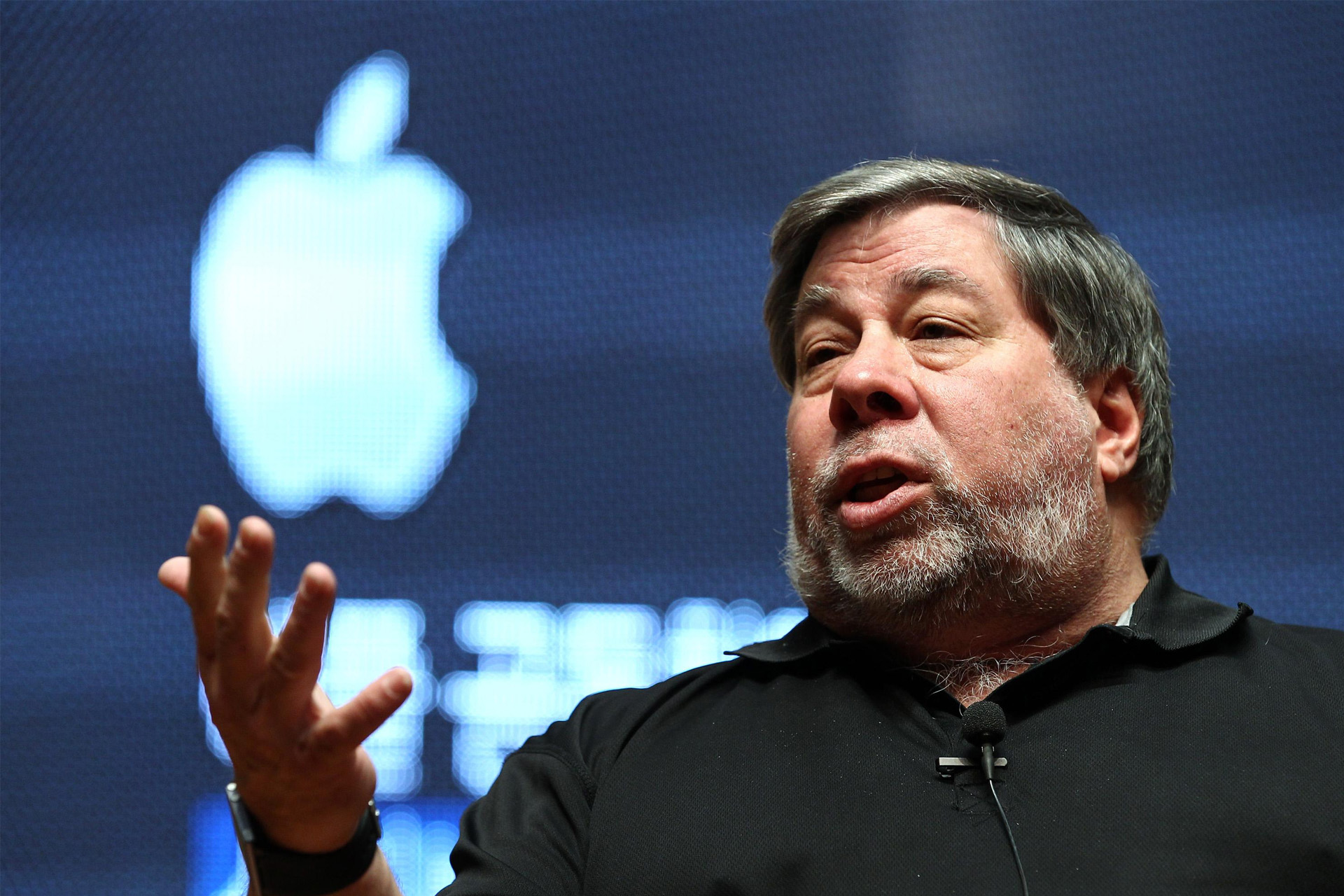
Steve Wozniak met Steve Jobs in the early 1970s through mutual friends in Silicon Valley’s growing electronics scene. Both shared an enthusiasm for experimentation, pranks, and hardware design. But their strengths were distinct. Wozniak was a self-taught engineer with a rare ability to design efficient computer circuits using minimal components. Jobs, meanwhile, understood product vision, presentation, and commercial opportunity.
In 1976, Wozniak designed the Apple I — a fully assembled circuit board that simplified what hobbyists had previously built piece by piece. Jobs saw potential beyond the Homebrew Computer Club crowd. Together with Ronald Wayne, they founded Apple Computer. The Apple II, largely engineered by Wozniak, became one of the first mass-produced personal computers and established Apple as a serious player in a nascent industry.
Engineering Philosophy and Personal Motivation
Wozniak’s motivations were rooted in engineering elegance. He enjoyed designing systems that achieved more with fewer parts. Cost efficiency and clever logic mattered deeply to him. Unlike Jobs, Wozniak was less driven by market dominance or brand mythology. He wanted to build devices that worked beautifully at a technical level.
During Apple’s early years, that difference created balance. Jobs pushed for refinement and commercial packaging. Wozniak ensured the technology could deliver.
However, as Apple grew rapidly in the late 1970s and early 1980s, corporate structure expanded. Teams multiplied. Marketing intensified. The company’s ambitions shifted from hobbyist accessibility to competitive positioning against IBM and other enterprise-oriented players.

The Plane Crash and Gradual Exit
In 1981, Wozniak was involved in a serious plane crash that caused temporary memory loss. During recovery, he reassessed his role at Apple. He returned briefly but increasingly stepped away from daily operations.
By the mid-1980s, Wozniak formally left active employment at Apple, though he remained a shareholder and retained a symbolic employee number. He cited frustration with internal dynamics and a desire to pursue other interests, including education initiatives and personal technology projects.
His departure was not a dramatic public break but a gradual distancing. Apple was becoming a structured corporation. Wozniak preferred informal engineering environments.
Apple’s Evolution Without Wozniak
Over the past 20 years, Apple transformed into a vertically integrated technology giant. After Steve Jobs returned in 1997 and later under Tim Cook’s leadership, Apple expanded into smartphones, wearables, services, and custom silicon.
The company’s culture evolved toward operational precision, global logistics coordination, and tightly controlled product secrecy. Its scale requires strict information discipline and coordinated executive strategy.
Wozniak, by contrast, has maintained a more open and informal public presence. He frequently participates in conferences, gives candid interviews, and expresses independent opinions about technology trends.

Why He Appears Disconnected
Wozniak’s public comments sometimes diverge from Apple’s official messaging. He has criticized certain product directions, expressed skepticism about emerging technologies, and occasionally supported regulatory scrutiny of large tech companies.
This difference in tone reflects contrasting roles. He speaks as an old-school computer engineer and technologist rather than as a corporate executive.
Apple’s internal culture emphasizes confidentiality and alignment. Wozniak operates outside that structure. The perception of disconnection arises less from hostility and more from structural distance.
Legacy Within Apple
Despite his physical and cultural distance, Wozniak’s influence remains embedded in Apple’s DNA. The early emphasis on hardware-software integration, user-friendly computing, and engineering efficiency traces directly to his foundational work.
Modern Apple Silicon chips, while far removed from the Apple II’s architecture, still reflect a preference for tightly integrated systems designed in-house. That philosophy echoes Wozniak’s original approach of building complete solutions rather than assembling generic components.

Public Persona Versus Corporate Identity
Wozniak often presents himself as an independent technologist — approachable, humorous, and candid. Apple’s brand identity today emphasizes controlled messaging, disciplined design, and strategic communication.
The contrast can create the impression that Wozniak is detached from Apple’s trajectory. In reality, his departure preceded the company’s largest expansions by decades. His identity formed during Apple’s garage-era experimentation, not during its multinational scale.
Steve Wozniak remains a co-founder whose technical ingenuity enabled Apple’s earliest success. His motivations centered on engineering purity rather than corporate expansion, and his gradual exit reflected a divergence between personal preference and institutional growth. As Apple’s culture matured into a global operation defined by secrecy and scale, Wozniak’s public independence naturally placed him outside its internal orbit, even as his foundational contributions continue to shape the company’s long-term direction.


