

Apple’s Studio Display occupies a very specific and successful place in the company’s lineup. It is not meant to be a niche professional reference monitor, nor is it a generic external screen. Instead, it functions as the natural desktop companion for MacBook Pro, Mac Studio, and Mac mini users who want a clean, integrated experience that feels unmistakably Apple. As expectations build around Studio Display 2, the strongest signal from the market is not for radical change, but for thoughtful refinement.
Rumors surrounding a 2026 launch suggest Apple is already working on a successor, and the conversation points to a clear direction: keep what works, improve what matters most.
Why Apple Needs to Improve Display Quality
The original Studio Display delivers excellent color accuracy, brightness, and sharpness for everyday professional use, but it stops short of Apple’s highest display standards. In a lineup that includes the Pro Display XDR, the absence of XDR-level contrast and brightness has become more noticeable, especially as more Mac users work with HDR content, photography, and video.
Studio Display 2 is widely expected to address this gap. Bringing XDR-class technology — likely mini-LED with higher sustained brightness and deeper contrast — would elevate the display without altering its identity. This change alone would satisfy the most common request from current users.
Current Studio Display Strengths Apple Should Preserve
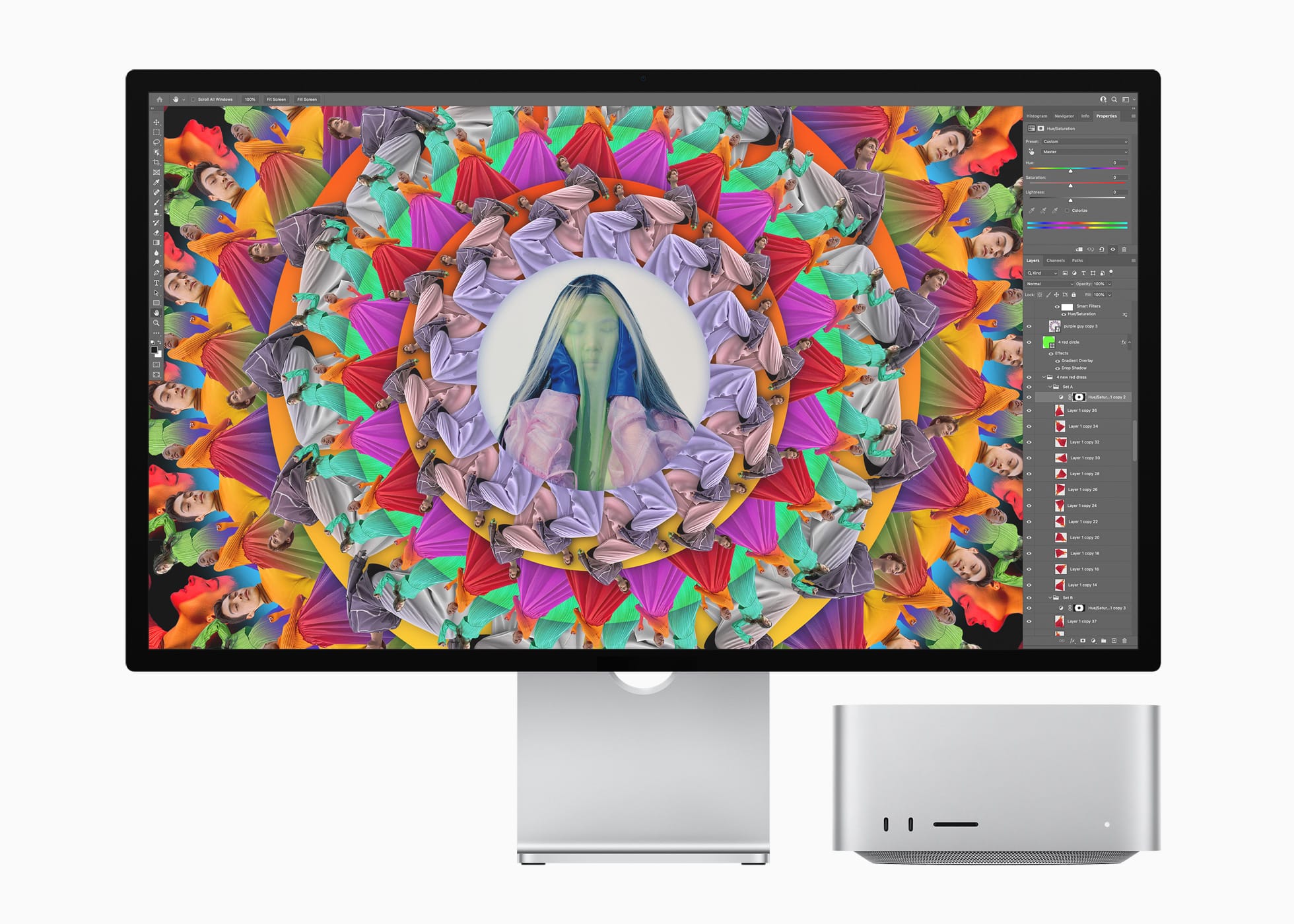
What makes the Studio Display so well accepted is not just the panel itself. It’s the combination of features working together as a single product.
The built-in speakers, microphones, and camera transform the display into a communication hub, not just a screen. For remote work, video calls, and daily use, this integration removes the need for external peripherals and keeps desks clean. The aluminum enclosure, minimal bezels, and restrained design language align closely with the iMac lineage, which explains why many former iMac users adopted the Studio Display quickly.
Studio Display 2 does not need to reinvent this formula. It needs to respect it.
Probable Improvements in Studio Display 2
Beyond an XDR-quality panel, incremental refinements are expected rather than sweeping changes. Higher brightness for HDR workflows, improved local dimming zones, and better handling of reflections would modernize the display without altering its footprint.
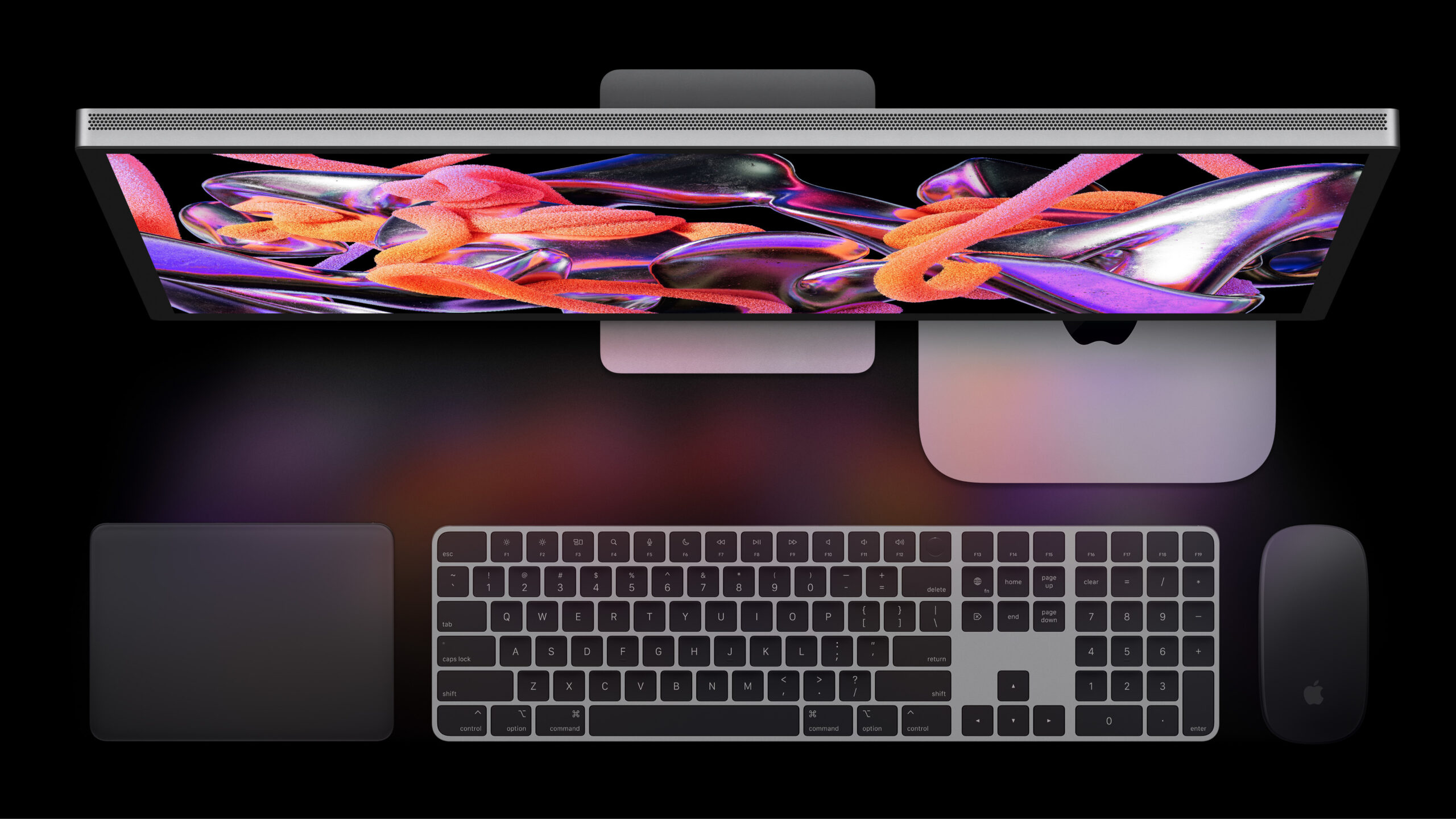
Apple is also likely to maintain the same physical size, as it strikes a balance between productivity and desk ergonomics. However, introducing a second, larger size could expand the lineup without fragmenting it. A bigger Studio Display 2 would appeal to users who want more screen real estate but don’t need or want the complexity of the Pro Display XDR.
Importantly, Apple is expected to keep the integrated audio system, camera, and microphones intact. These features are central to the Studio Display’s appeal and distinguish it from high-end reference monitors.
Why Studio Display and Pro Display XDR Serve Different Worlds
The Studio Display and Pro Display XDR are often compared, but they are designed for entirely different users. Pro Display XDR is built for top-tier production environments — film studios, color grading suites, and high-end creative pipelines — where absolute image fidelity matters more than convenience.
Pro Display XDR users typically do not want built-in speakers, cameras, or microphones. They prefer a pure panel that integrates into complex studio setups with dedicated audio and capture equipment. The Studio Display, by contrast, is about completeness. It’s meant to be plugged in and immediately useful.
Studio Display 2 should not try to blur this distinction. Its success depends on remaining the “clean display” for Mac users who want simplicity, elegance, and integration, not maximal specialization.
A Natural Evolution, Not a Disruption
The most compelling path for Studio Display 2 is evolutionary. By adding XDR-class image quality, refining panel performance, and possibly expanding size options, Apple can significantly raise the ceiling without disrupting what already works.
Studio Display became a must-have not because it was the most advanced display Apple ever made, but because it felt right. If Studio Display 2 keeps that balance while closing the quality gap, it will strengthen Apple’s desktop ecosystem in a way that feels inevitable rather than experimental.


