

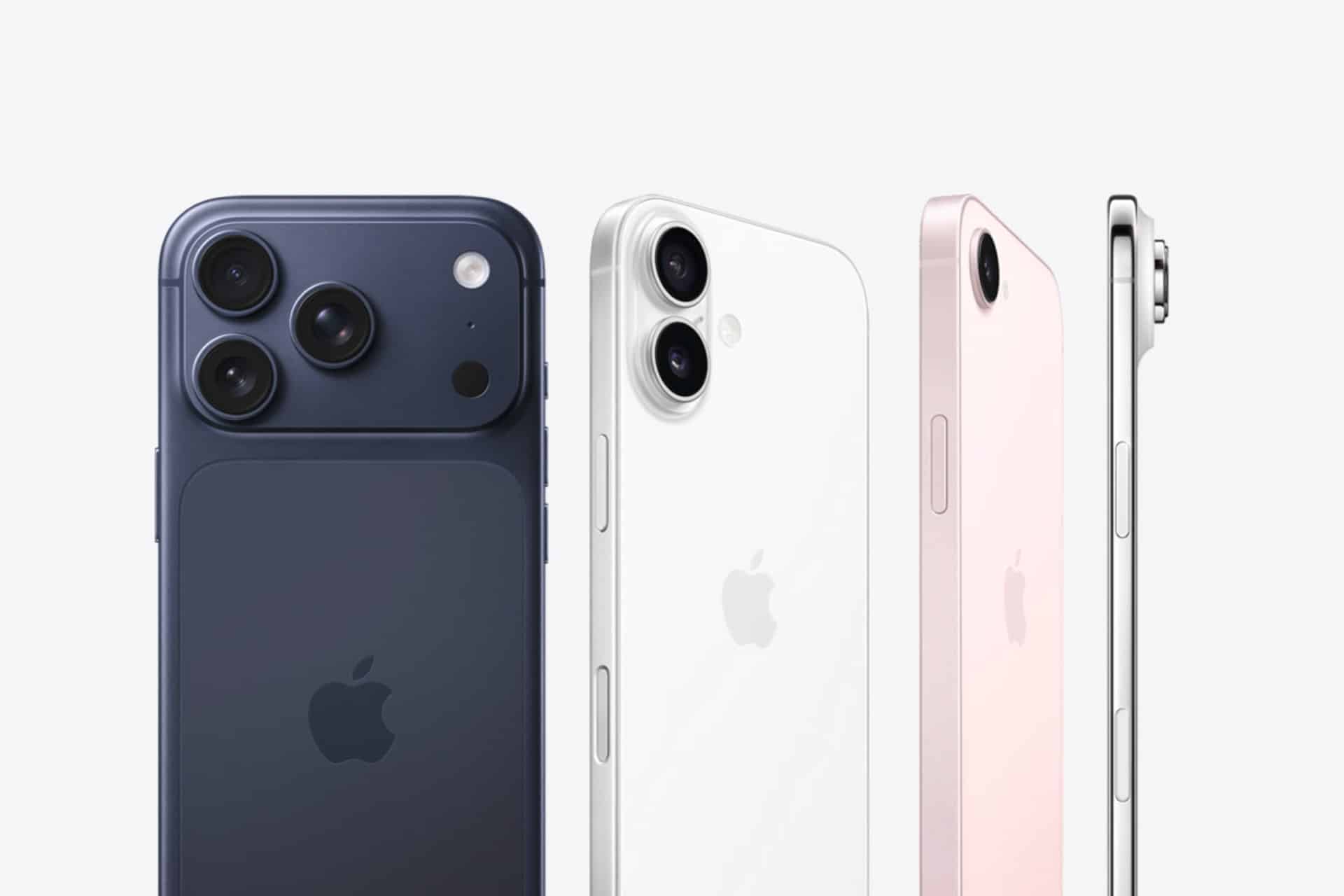
T-Mobile iPhone deals are arriving at useful timing for shoppers already comparing Prime Day prices, carrier offers, and upgrade costs. The carrier is currently promoting no-trade-in offers on Apple’s latest iPhone lineup, including iPhone 17, iPhone 17 Pro, iPhone 17e, and iPhone Air, when customers switch to qualifying T-Mobile plans.
The strongest headline is iPhone 17 Pro On Us with no trade-in required. T-Mobile’s offer page says new customers can get the device when they switch, bring their number, and choose an Experience More or Experience Beyond plan. The deal is delivered through 24 monthly bill credits, with taxes and a $35 device connection charge still due.
That detail matters. “Free” in carrier language usually means the phone cost is offset over time, not erased at checkout. Customers must stay on an eligible plan, keep the line active and in good standing, and receive credits across two years. If they cancel early or move away from the qualifying terms, the remaining device balance can become their responsibility.
Even with those limits, the offer is useful for households already planning to switch carriers. A no-trade-in path means customers can keep, sell, pass down, or recycle their old phone separately instead of handing it to a carrier for promotional credit.
T-Mobile iPhone Offers Favor Switchers
The current T-Mobile iPhone offer is built around one goal: winning new lines. That is why the best no-trade-in deal is aimed at people switching to T-Mobile and bringing their number. It is not mainly an upgrade offer for every existing customer.
T-Mobile’s public terms say iPhone 17 Pro On Us requires switching to T-Mobile on a qualifying plan, with 24 monthly bill credits. Other qualifying paths include specific multi-line and tenure conditions, such as new members opening three or more new lines with two eligible port-ins, or existing members with three or more lines and at least five years on a T-Mobile postpaid plan.
The standard iPhone 17 also has a no-trade-in path. T-Mobile says switchers on Experience More or Experience Beyond can get iPhone 17 On Us through monthly credits. Apple’s own carrier-offer disclosures also list T-Mobile iPhone 17e no-trade-in deals for new customers on eligible plans, with up to $630 in bill credits over 24 months.
The iPhone Air sits in a similar promotional category. Apple’s buying page lists iPhone Air among models covered by T-Mobile’s iPhone 17 and iPhone Air special deal language, though many of Apple’s listed T-Mobile offers still involve trade-ins or plan-specific credits. Customers should confirm the exact device, plan, and credit amount before ordering.
That is the main point for shoppers: the device name in the headline is only the start. The final deal depends on the plan, number port-in, line status, credit approval, taxes, connection fee, and whether the offer applies to new or existing customers.

The No-Trade-In Part Is the Real Hook
The no-trade-in condition is what makes this T-Mobile iPhone deal stand out. Many premium carrier offers require handing over a recent iPhone, often in good condition or within a specific model range. That can make the “free phone” less generous than it looks because the customer is giving up a device with resale value.
A no-trade-in offer changes the equation. A user switching from another carrier can keep an old iPhone as a backup, give it to a family member, use it for travel, sell it privately, or trade it through another channel. That can make the total value better than a traditional carrier upgrade.
It also helps customers whose current device is too old, damaged, or low-value for a strong trade-in. Someone using an older iPhone may not qualify for the best trade-in promotions elsewhere, but a switcher deal can still make the iPhone 17 lineup more accessible.
The trade-off is the plan. These offers are usually tied to higher-tier service plans such as Experience More or Experience Beyond. A customer focused only on the phone discount may miss the monthly service cost. A premium plan can make sense for heavy data users, frequent travelers, families using included perks, or people who already wanted T-Mobile’s newest plan structure. It may not make sense for someone who would be cheaper on a smaller plan or a prepaid carrier.
The best way to judge the offer is not by the phone price alone. Compare the total 24-month cost of the wireless plan, taxes, fees, connection charges, and any remaining phone balance against what the same customer would pay elsewhere.
A Prime Day Deal Outside Amazon
The Prime Day angle is useful because shoppers are already in deal mode. Amazon can discount accessories, unlocked phones, gift cards, chargers, cases, smart home products, tablets, and older devices. But carrier iPhone deals work differently. They are less about instant discounting and more about service commitments.
That can be good or bad depending on the buyer. An unlocked phone discount is cleaner because the customer pays less upfront or receives direct savings. A carrier promotion can be larger on paper, but it usually ties the customer to bill credits and plan requirements.
For iPhone 17 Pro, that distinction is especially relevant. Apple’s Pro models carry higher retail prices, so a full-device credit can look compelling. But the credit is spread over 24 months, and the customer must stay with the qualifying plan to receive the full value.
That does not make the T-Mobile deal weak. It makes it conditional. For a household already planning to switch, a no-trade-in iPhone 17 Pro offer can be a strong incentive. For someone happy with a lower-cost plan, the deal may be less attractive once monthly service costs are included.
The same applies to iPhone 17e and iPhone Air. A lower-cost iPhone model can be easier to subsidize, but shoppers should still check whether the plan cost offsets the savings.
What Customers Should Check First
Before switching, customers should confirm four details. First, the exact plan required. Experience More and Experience Beyond may carry different monthly costs and benefits, and not every plan version qualifies for every device credit.
Second, the credit amount. “On Us” usually means bill credits up to a maximum amount, not unlimited savings across every storage size or Pro Max configuration. Choosing more storage or a different model may raise the monthly cost.
Third, the line requirement. Some offers apply to new customers, some require porting a number, some require multiple lines, and some have different terms for existing T-Mobile members.
Fourth, the exit cost. If the service is canceled early, credits stop. The remaining phone balance may be due. That is the normal trade-off behind a carrier-backed iPhone deal.
Customers should also account for taxes on the full retail price, possible down payment for credit approval, the $35 device connection charge, and timing for credits to appear. T-Mobile says credits may take up to two bill cycles.
A Strong Deal for the Right Buyer
T-Mobile’s current iPhone promotion shows how carriers are still one of Apple’s most powerful sales channels. Apple sells iPhone directly, but carriers can turn a premium device into a switching tool. That is especially effective when the offer removes the trade-in requirement.
For Apple, these promotions help keep the iPhone 17 lineup visible during deal-heavy shopping periods. For T-Mobile, the phone is the lure for new lines and premium plans. For customers, the value depends on whether the wireless plan matches their real needs.
The deal is strongest for switchers who already wanted T-Mobile, need a new iPhone, and can use the plan benefits for the full 24 months. It is weaker for shoppers who only want the lowest possible monthly bill or prefer the freedom of an unlocked phone without carrier credits.
The word “free” should be read carefully. The better way to describe the offer is no trade-in, no device payment after credits, if the customer stays within the terms. That is less flashy, but more accurate.
For the right household, T-Mobile’s iPhone 17 Pro offer can still be one of the most practical Apple deals running alongside Prime Day. The value is not only the phone. It is the combination of a new iPhone, a carrier switch, and two years of bill-credit commitment.