

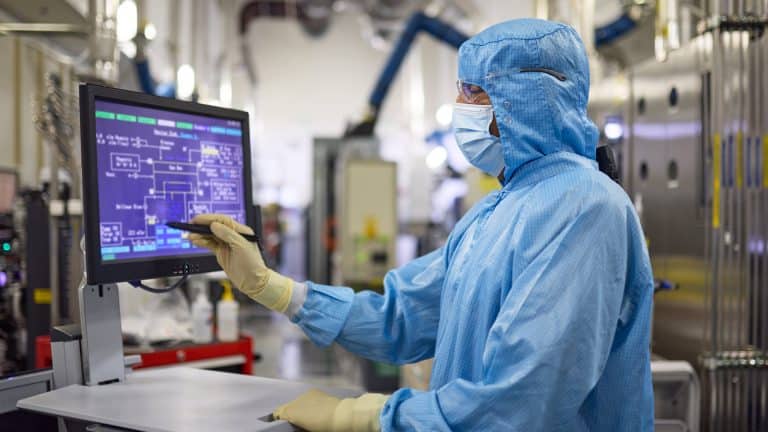
Tata Hosur has become one of the most important sites in Apple’s effort to build a deeper manufacturing base in India. The facility in Tamil Nadu makes iPhone components and has also become part of Tata Electronics’ broader push into iPhone assembly, giving Apple a local partner with the scale, capital, and political support needed to reduce some dependence on China.
That strategy is moving forward, but not without friction. Tata recently said the Tamil Nadu Pollution Control Board had dropped scrutiny of alleged groundwater contamination around its Hosur iPhone parts plant after sample analysis found no contamination and readings within permissible limits. That statement followed farmer complaints and regulatory concern over wastewater discharge near the facility, which had raised the possibility of a shutdown warning.
The clearance matters because Hosur is not an ordinary supplier site. Tata Electronics is central to Apple’s India plan and has become the second-largest Apple supplier in South Asia after Foxconn, according to Reuters. The plant makes iPhone back panels and other components, and the surrounding operation is part of a larger move to expand India’s role from final assembly toward higher-value component production.
For Apple, this is exactly the direction India needs to move in. Assembling iPhones is useful, but long-term supply-chain strength depends on components, tooling, process engineering, quality control, materials handling, and supplier depth. Tata Hosur gives Apple a pathway toward more local value inside each iPhone. It also shows why that pathway will require stricter environmental, security, and operational standards.
Tata Hosur Is More Than an Assembly Story
Apple’s India strategy is often described through iPhone assembly numbers, but assembly is only the visible layer. The harder goal is building a supplier ecosystem that can make more of the parts before final assembly. That is where Tata Hosur matters.
The facility has been associated with iPhone enclosures, back panels, and other components. These are not glamorous parts like Apple silicon or camera systems, but they are vital to scaling local production. Component plants create supplier density, worker specialization, inspection processes, materials expertise, and logistics routines. Once those layers mature, India can become more than a fallback assembly location.
Tata’s role is also unusual because it gives Apple a major Indian-owned manufacturing partner. Apple’s supply chain has historically relied heavily on Taiwanese manufacturers such as Foxconn, Pegatron, and Wistron. Tata’s rise gives India a domestic champion inside Apple’s network, which aligns with New Delhi’s goal of building advanced electronics manufacturing at home.
That local ownership matters politically and industrially. India wants more jobs, exports, supplier development, and manufacturing know-how. Apple wants geographic diversification, lower exposure to China-related disruption, and a stronger base for future growth in the Indian market. Tata sits between those goals.
The challenge is that component production is harder to scale cleanly than assembly. It requires environmental controls, wastewater management, chemical handling, precision processes, cybersecurity, and labor discipline. The more valuable the work becomes, the more risk the site carries.

Environmental Scrutiny Shows the Cost of Scale
The pollution controversy around Tata Hosur is a reminder that high-tech manufacturing still has physical consequences. Even when the final product looks clean, the supply chain involves water, chemicals, metals, coatings, machining, cleaning, and waste management. Local communities feel those impacts first.
Reuters reported that Indian officials investigated farmer complaints about alleged contamination near Tata’s Hosur iPhone parts plant. Farmers had complained about foul-smelling water, crop damage, and groundwater concerns. Tata said independent analysis and pollution-board testing found no contamination, and the company later said the Tamil Nadu Pollution Control Board dropped further action.
That outcome removes an immediate regulatory threat, but it does not erase the lesson. Apple’s India supply chain will face more local scrutiny as it grows. Communities, regulators, workers, and environmental groups will expect more transparency from plants tied to one of the world’s most valuable consumer brands.
For Apple, this is not only Tata’s issue. Apple publishes environmental standards, supplier responsibility reports, and clean-energy commitments. When a supplier site faces pollution allegations, Apple’s broader supply-chain reputation is pulled into the story. Even if regulators clear a plant, the company still has to show that expansion in India will not repeat the worst habits of fast industrialization.
The practical future is stricter auditing. Apple and Tata will need stronger water management, faster incident disclosure, community engagement, third-party verification, and visible corrective action when problems occur. India’s manufacturing rise will be more durable if it is built around trust, not only output volume.
Cybersecurity Is Now a Manufacturing Risk
Tata’s importance to Apple also makes it a cybersecurity target. Reuters reported that Tata Electronics confirmed a cybersecurity incident affecting some systems after researchers said a ransomware group claimed to have exposed files involving Apple and Tesla trade secrets. Tata said operations were not disrupted, while Apple did not publicly comment.
This is another sign that modern manufacturing risk is not limited to fires, labor shortages, or environmental compliance. A component supplier can hold design files, process details, assembly documents, specifications, emails, tooling data, employee information, and customer-sensitive material. If that data is exposed, the risk extends beyond one factory.
Apple’s supply chain depends on secrecy and precision. Component designs, tolerances, manufacturing instructions, and supplier documentation are commercially valuable. As India becomes a larger part of Apple’s production system, local suppliers will need cybersecurity standards closer to those of the most mature global manufacturers.
This adds another layer to Tata Hosur’s future. The plant is not only a manufacturing site. It is part of Apple’s intellectual-property and operational-security perimeter. Scaling production means scaling protection around documents, networks, vendors, employee access, and incident response.
A strong India supply chain must be secure digitally as well as physically.

Why Apple Still Needs India
Despite recent scrutiny, Apple’s need for India remains strong. China continues to offer unmatched electronics manufacturing depth, but Apple cannot depend too heavily on one country for assembly and components. Trade tensions, tariffs, pandemic memories, labor disruptions, and geopolitical risk have made diversification a permanent priority.
India gives Apple several advantages. It has a large labor force, a growing domestic smartphone market, government support for electronics manufacturing, export ambitions, and a strategic interest in becoming a China alternative. Apple has already expanded iPhone production in India, and analysts expect the country to produce a larger share of global iPhones over time.
But India’s next step is harder. Final assembly can grow faster than component ecosystems. To make India a true hardware base, Apple needs more local suppliers, better logistics, trained engineers, precision tooling, stable quality, environmental compliance, and export infrastructure. Tata Hosur is one of the places where that transition is being tested.
This is why the plant’s clearance is important. A shutdown or prolonged regulatory dispute would have raised doubts about India’s ability to host more complex Apple component production. The clearance allows Tata to continue operating, but it also raises expectations. If India wants to become a stronger Apple manufacturing hub, plants like Hosur need to prove they can scale without creating recurring environmental, safety, or security problems.
The Future of Apple Component Production
Apple’s India strategy will likely move in stages. The first stage was assembly. The second is components such as enclosures, back panels, and mechanical parts. The third will require deeper supplier networks in batteries, displays, camera modules, printed circuit boards, precision parts, materials, and eventually more advanced manufacturing processes.
Tata can play a large role in that future if it maintains Apple’s quality standards and satisfies regulators. The company has already become one of India’s most important electronics manufacturers, and its relationship with Apple gives it a strong position as India tries to move up the hardware value chain.
For Apple, Tata Hosur is useful because it supports diversification without relying only on foreign-owned contractors. For India, it is useful because it creates local capability around a global product. For consumers, the effect is mostly invisible. An iPhone may still look the same, but the supply chain behind it becomes less concentrated.
The risk is that speed creates weak points. Fires, environmental allegations, labor disputes, and cyber incidents can slow progress and damage trust. Apple’s India expansion will be judged not only by how many iPhones are made there, but by whether the local supply chain can reach the consistency, safety, and resilience Apple expects.
Tata Hosur shows both sides of the future. It is a sign that India is moving from assembly into Apple component production. It is also a reminder that advanced manufacturing brings tougher responsibilities. The next phase of Apple’s India supply chain will depend on whether Tata and other suppliers can turn scale into reliability.