


The Last Person on Earth will bring a different kind of dating experiment to Apple TV, pairing people who appear fundamentally incompatible before sending them to some of the world most romantic and isolated destinations.
Apple announced the eight-episode documentary series with Esther Perel, the bestselling author, psychotherapist and relationship expert known for examining desire, intimacy, infidelity and the tensions inside modern partnerships.
Perel will work with a team of matchmakers and therapists to create pairings that challenge the usual assumptions surrounding compatibility. Rather than finding contestants who share the same interests, routines and preferences, the series will deliberately bring together people who may initially see each other as the last person they would ever choose.
The central question is whether attraction can develop when familiar dating checklists are removed. Apple describes the series as an exploration of whether an unexpected partner can become the person someone ultimately cannot imagine living without.
No premiere date, contestant list or filming locations have been announced.


The Last Person on Earth Challenges Compatibility
The Last Person on Earth enters a crowded dating television market with a premise that rejects one of the most common promises made by matchmaking services: that compatibility can be predicted through similarity.
Dating apps routinely organize potential relationships through age, location, interests, lifestyle preferences, political beliefs and other personal filters. The process can help users avoid obvious conflicts, but it can also create increasingly narrow definitions of who deserves consideration.
Perel has frequently argued that desire does not always emerge from familiarity. Attraction can depend on difference, curiosity and the discovery of qualities that were not included on a checklist.
The Apple TV series turns that idea into a structured experiment. Participants will meet someone who appears to contradict their expectations before traveling together to a remote setting where ordinary distractions and familiar support systems may be limited.
That environment creates immediate dramatic possibilities. A beautiful destination can make a first connection feel unusually intense, but isolation can also expose differences that would remain hidden during short dates in familiar surroundings.
The presence of therapists and matchmakers suggests that the series will examine those reactions rather than presenting every disagreement as entertainment. Perel can help participants distinguish between genuine incompatibility, defensive habits and discomfort created by encountering someone outside their usual pattern.
The experiment does not promise that every opposite pairing will succeed. Difference can produce curiosity, but it can also reveal conflicts involving values, communication, life goals or emotional availability.
The more revealing outcome may be whether participants leave with a broader understanding of attraction, even when the relationship itself does not continue.
Esther Perel Brings a Different Voice to Dating TV
Perel gives the series a more analytical foundation than the competition-driven structure used by many dating programs.
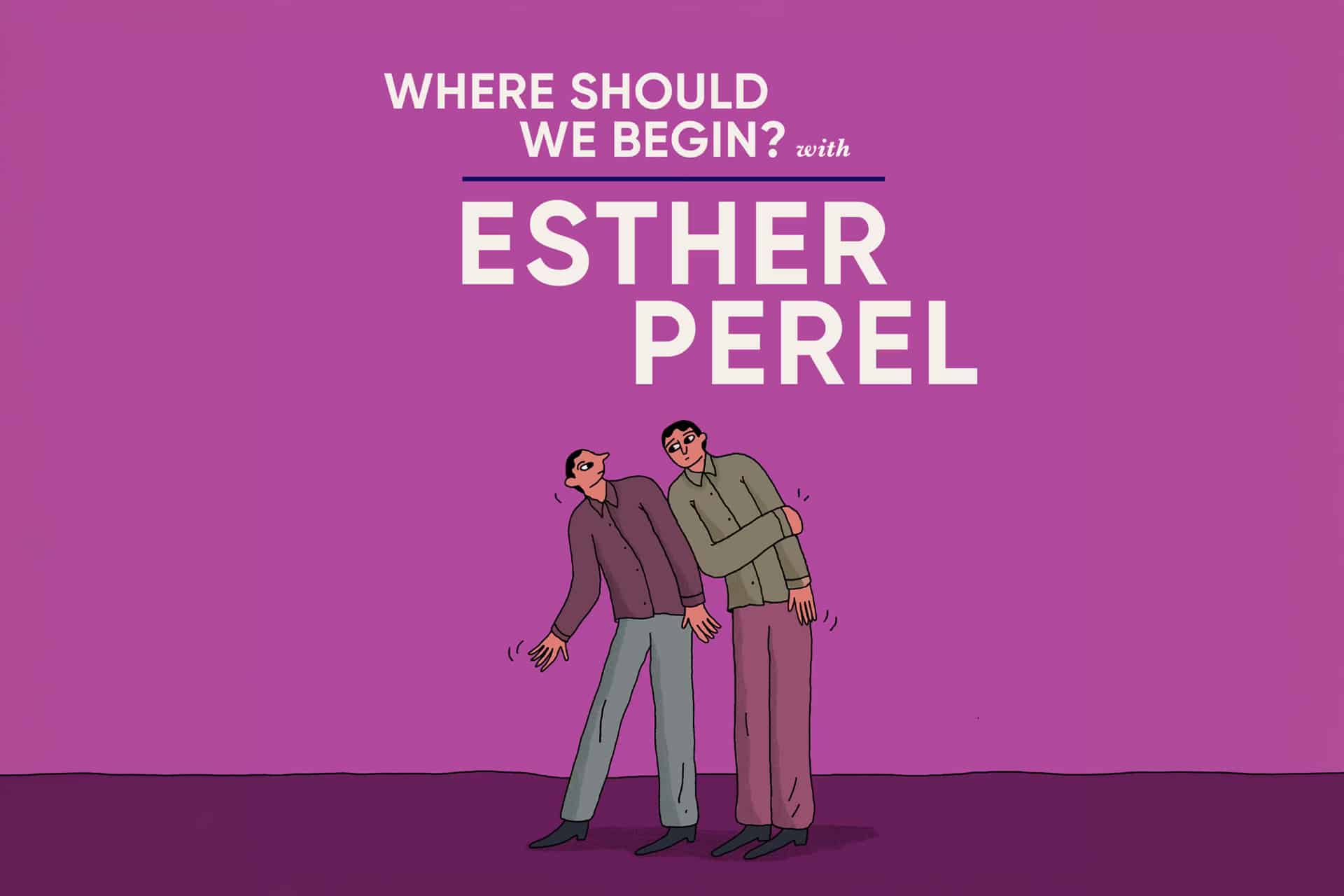
Her books Mating in Captivity and The State of Affairs examine the contradictions surrounding commitment, desire and personal freedom. She also hosts the podcasts Where Should We Begin? and How Work, presenting conversations that explore relationships without reducing complicated behavior to simple villains and heroes.
That background may help The Last Person on Earth avoid familiar reality television shortcuts. Dating shows often depend on rapid attraction, artificial scarcity and public rejection. Contestants compete for one person, choose partners through brief impressions or make long-term commitments before they have experienced ordinary life together.
The new series begins with a different source of tension. Participants are not being told that a seemingly perfect match has been selected. They are being asked to question why someone who appears wrong may deserve a closer look.
Perel describes the project as an invitation to move beyond what feels familiar or safe. Her involvement also raises expectations that the series will explore how participants construct their preferences.
A person may insist on dating only someone with a certain career, personality or social style without understanding where that requirement originated. Some preferences protect legitimate needs. Others may repeat an old relationship pattern or prevent vulnerability by eliminating anyone capable of creating uncertainty.
The matchmakers and therapists can examine those distinctions before, during and after the trip. Their role could become particularly valuable when participants confuse immediate comfort with long-term suitability or mistake tension for romantic chemistry.
Apple has not explained how long each pairing will remain together, whether several couples will appear in each episode or how the experiment will determine its final outcomes.
Remote Destinations Change the Dating Environment
Sending couples to romantic and remote destinations adds more than scenery.
Modern dating frequently develops through phones, messaging, social media profiles and quick meetings fitted around work schedules. Participants may arrive with established habits for checking other options, retreating into digital distractions or ending contact before uncertainty has time to become meaningful.
A remote journey removes part of that structure. Two people must spend sustained time together, make decisions and respond to unfamiliar situations without immediately returning to separate routines.
Travel can accelerate intimacy because it creates shared memories and reveals behavior under pressure. Delays, unfamiliar environments, fatigue and practical disagreements may show more than a polished restaurant conversation.
The destinations may also create a misleading sense of closeness. A relationship formed in an exceptional setting still needs to survive ordinary responsibilities, geography, work and family expectations after the trip ends.
The documentary format gives Apple an opportunity to follow that transition rather than ending with a dramatic choice at the destination. Whether the series continues documenting the couples after they return home has not been disclosed.
The title adds another layer to the concept. The “last person” can mean the least expected match, but it also reflects the anxiety surrounding modern dating. A growing number of people describe exhaustion with apps, repeated disappointment and the feeling that suitable partners are disappearing.
Apple links the experiment to rising social isolation and polarization. People increasingly sort themselves into cultural, political and lifestyle groups, while digital systems learn to reinforce existing preferences.
A relationship series built around difference can test whether those divisions remain as rigid when two people encounter each other as individuals rather than profiles representing opposing categories.
Unscripted Relationships
The eight-episode order gives the production enough space to develop several pairings without extending the experiment indefinitely. Its success will depend on whether the participants receive room to behave naturally or are pushed toward the exaggerated conflict expected from conventional dating television.
Perel provides the series with a promising tension: lasting relationships require genuine compatibility, yet attraction can disappear when every element feels predictable. The challenge is not proving that opposites always belong together. It is discovering which differences create possibility and which ones should remain deal-breakers.