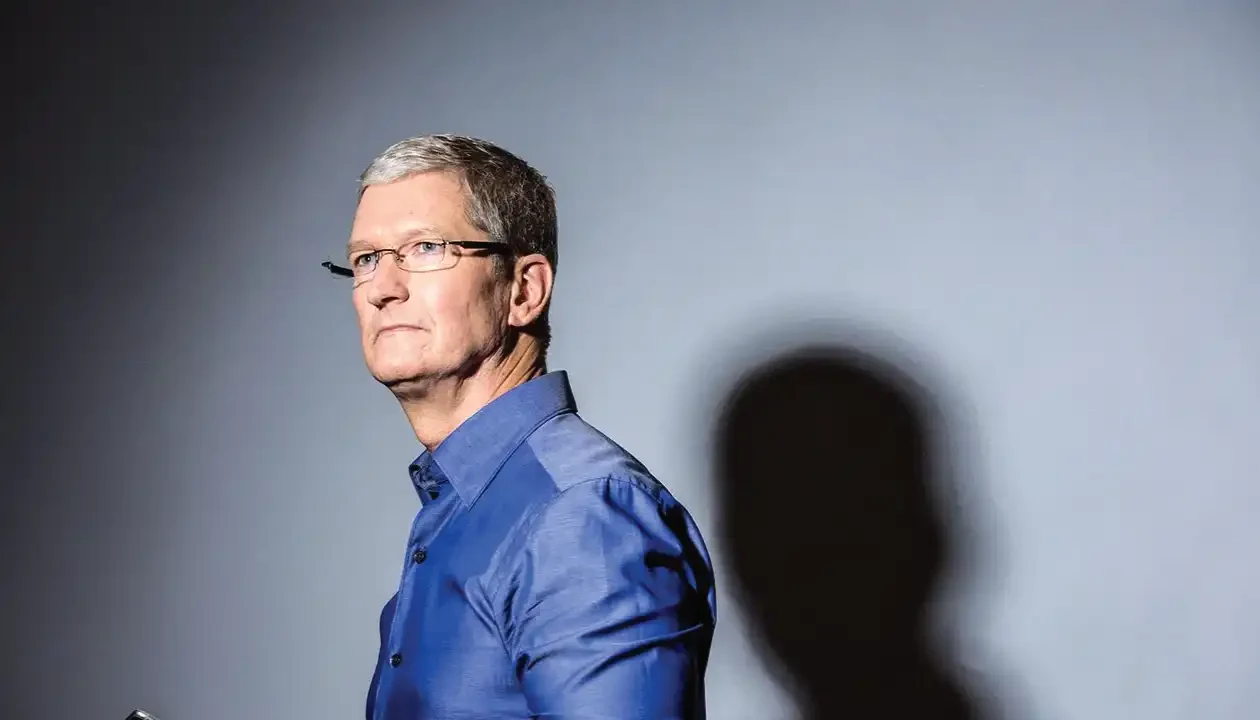
Tim Cook health became part of Apple’s leadership conversation after the outgoing CEO addressed employees directly about his transition to executive chairman. According to Bloomberg, Cook told staff at an all-hands meeting that he is healthy, that his energy is high, and that he plans to remain in his new role for a long time. The comments were important because they pushed back against any reading that his move away from the CEO job was tied to poor health or sudden personal urgency.
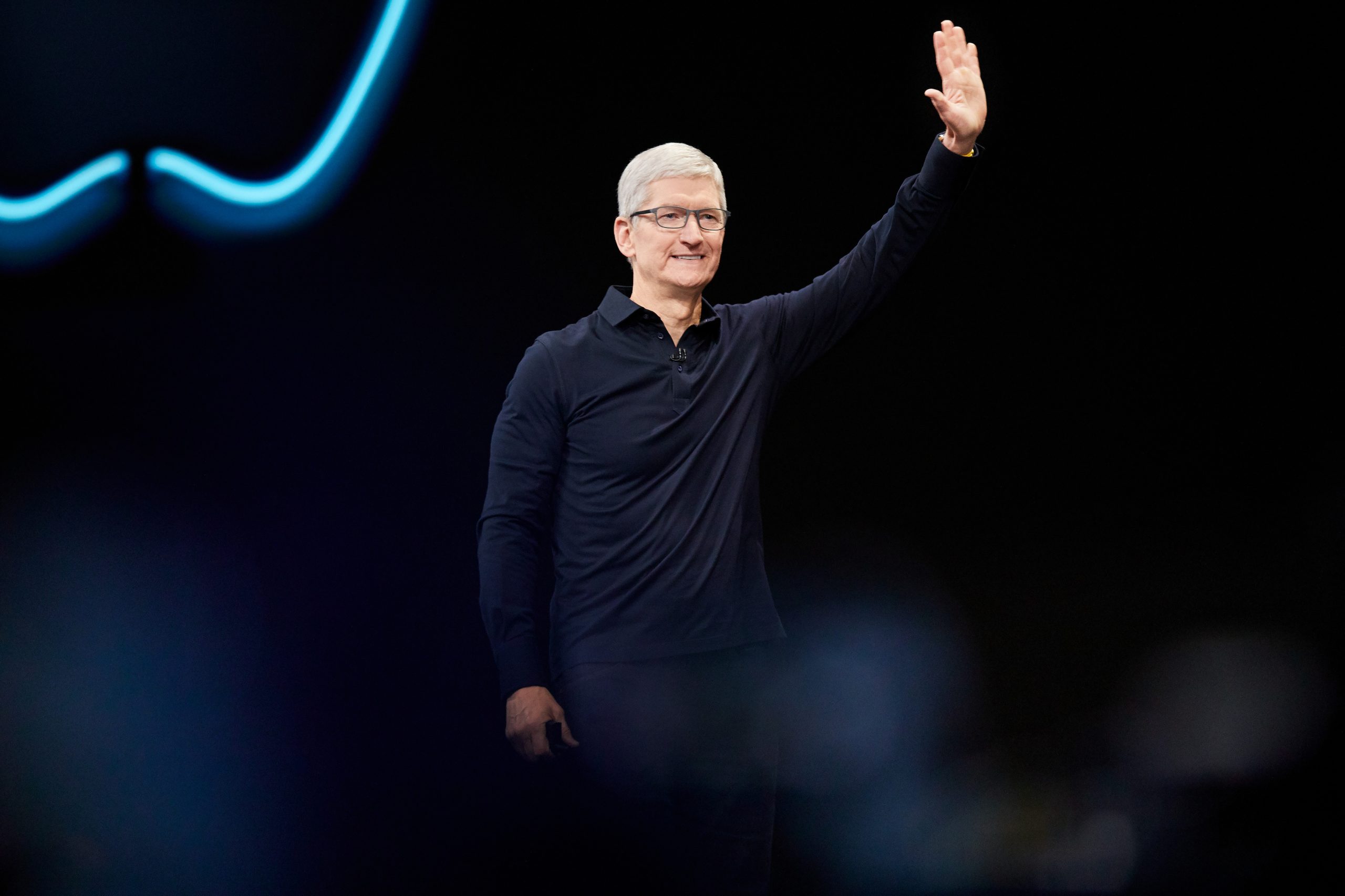
The meeting took place at Steve Jobs Theater after Apple announced that John Ternus will become CEO on September 1, 2026, while Cook becomes executive chairman. Apple’s official announcement framed the transition as the result of a long-term succession plan, and Cook’s message to employees appears to have reinforced that idea. He said he wanted the “best-ever transition,” according to Bloomberg, and described the ideal timing as one where the business is strong, the product roadmap is compelling, and the next leader is ready.
That framing matters because Cook’s exit from the CEO role is happening during one of Apple’s most sensitive strategic moments in years. The company remains financially strong, with an enormous installed base, a powerful services business, and one of the most valuable consumer brands in the world. At the same time, Apple is under pressure to prove that it can move faster in artificial intelligence. Cook’s health comments calm one part of the story. Ternus’ AI comments sharpen another.

Cook Tries to Make the Transition Look Planned, Not Reactive
Cook’s comments are designed to remove uncertainty. A CEO transition at Apple is never just a management change. It becomes a signal about the company’s future, internal confidence, and market direction. Because Cook has led Apple since 2011, any shift in his role naturally invites speculation. By telling employees that he is healthy and plans to serve as executive chairman for a long time, Cook gave the transition a more deliberate shape.
That is especially important after a wave of commentary tying the handoff to Apple’s AI challenges. Bloomberg and other outlets have reported on delays around a more capable Siri, internal AI pressure, and Apple’s need to catch up with rivals that have moved faster in generative AI. If Cook had simply stepped down without a personal explanation, critics would have had more room to frame the move as a response to strategic disappointment.
Instead, Cook appears to be presenting the move as succession discipline. He is not leaving the company, and he is not stepping away from influence. As executive chairman, he will remain close to Apple’s board, long-term strategy, and external relationships. That gives John Ternus room to become the operating CEO while preserving Cook’s institutional knowledge at the top of the company.
The strongest part of Cook’s message is timing. He is leaving the CEO seat while Apple is still strong, not after a crisis. That is exactly how major leadership transitions are supposed to happen. The harder question is whether the strategic environment around Apple is changing faster than the company’s leadership plan anticipated.
Ternus Puts AI Products on the Table
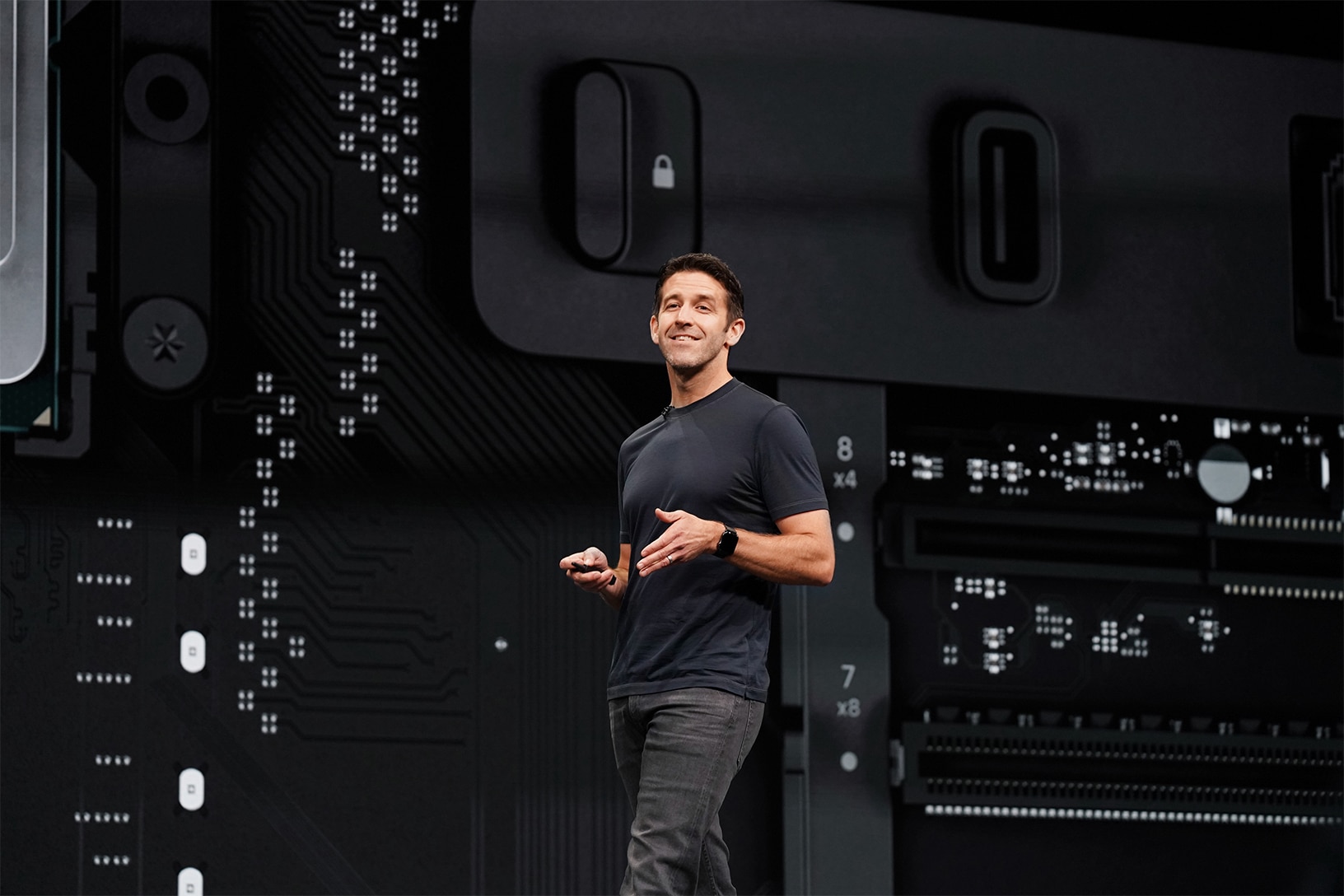
John Ternus’ comments at the same meeting may become just as important as Cook’s. Bloomberg reported that Ternus told employees AI is going to create almost unlimited potential and suggested Apple is working toward AI products. That message gives the incoming CEO a first public internal theme: Apple’s next chapter has to be built around products, not only models, demos, or promises.
That distinction fits Ternus’ background. Reuters described him as a product perfectionist taking on the AI age, noting his emphasis on using technology to ship meaningful products rather than chasing technology for its own sake. That is a very Apple way to frame AI, but it also creates pressure. The AI market has been moving quickly, and competitors are shipping aggressive updates across search, productivity, coding, cloud services, phones, glasses, and personal assistants.
Apple’s challenge is not simply to say AI matters. Everyone already knows that. The challenge is to make AI feel native to iPhone, Mac, iPad, Apple Watch, AirPods, and the rest of the Apple ecosystem. Siri remains the most visible test. Apple Intelligence introduced useful pieces, but the delayed rollout of a more capable Siri has damaged confidence around Apple’s AI timing. Ternus’ promise of AI products will be judged by whether those products arrive as daily tools users actually rely on.
This is where his hardware background becomes relevant. AI on Apple devices is not only a software story. It depends on Apple Silicon, Neural Engines, memory, cameras, microphones, sensors, Secure Enclave, battery life, and Private Cloud Compute. A hardware-first CEO may push Apple toward AI that feels embedded into devices rather than bolted on as another assistant layer.

Apple’s Product Roadmap Becomes the Real Proof
Cook reportedly told employees that part of the right transition timing involved an incredible product roadmap. That phrase will now carry real weight. Apple’s roadmap is expected to include major AI updates, a stronger Siri, new iPhones, the future of Vision Pro, possible smart home devices, Apple Watch health expansion, AirPods intelligence, custom modem work, and deeper services integration. Ternus will be responsible for turning that roadmap into proof.
The AI piece is the most urgent because it touches every part of Apple’s future. A better Siri could change how users interact with apps. More capable on-device AI could make iPhone and Mac feel more personal. AI agents could eventually manage schedules, messages, files, travel, reminders, home devices, and work tasks. Apple’s privacy-first approach could become a major advantage if the company can make the features powerful enough.
The risk is that Apple’s usual careful rhythm may look slow in a market where AI companies update constantly. OpenAI, Google, Microsoft, Meta, Anthropic, and others are already setting expectations for what assistants should do. Apple cannot rely only on trust and polish. It needs visible progress.
That is why the all-hands meeting matters. Cook’s comments answer the personal question. Ternus’ comments open the strategic one. The transition is not about whether Cook is leaving because of health. It is about whether Ternus can take a healthy, powerful, highly profitable Apple and make it feel urgent again in the AI era.
A Calmer Handoff With a Harder Test Ahead
The leadership handoff now has a clearer public meaning. Cook is trying to show stability. Ternus is trying to show direction. Apple wants employees, investors, developers, and users to see the transition as planned, not forced. At the same time, the company cannot escape the AI pressure surrounding it.
Cook remaining as executive chairman gives Apple continuity. Ternus becoming CEO gives Apple a product-centered reset. Together, the structure gives the company a way to move into the next chapter without losing the operational discipline that defined the Cook era. But structure is only the beginning.
The next proof points will come from products. WWDC26, Siri updates, Apple Intelligence expansion, iPhone AI features, Mac AI workflows, and new device categories will decide whether the transition looks brilliant or late. Cook’s health comments may close one speculation loop, but Ternus’ AI promise opens the larger one: Apple now has to show what its version of the AI future really looks like.