

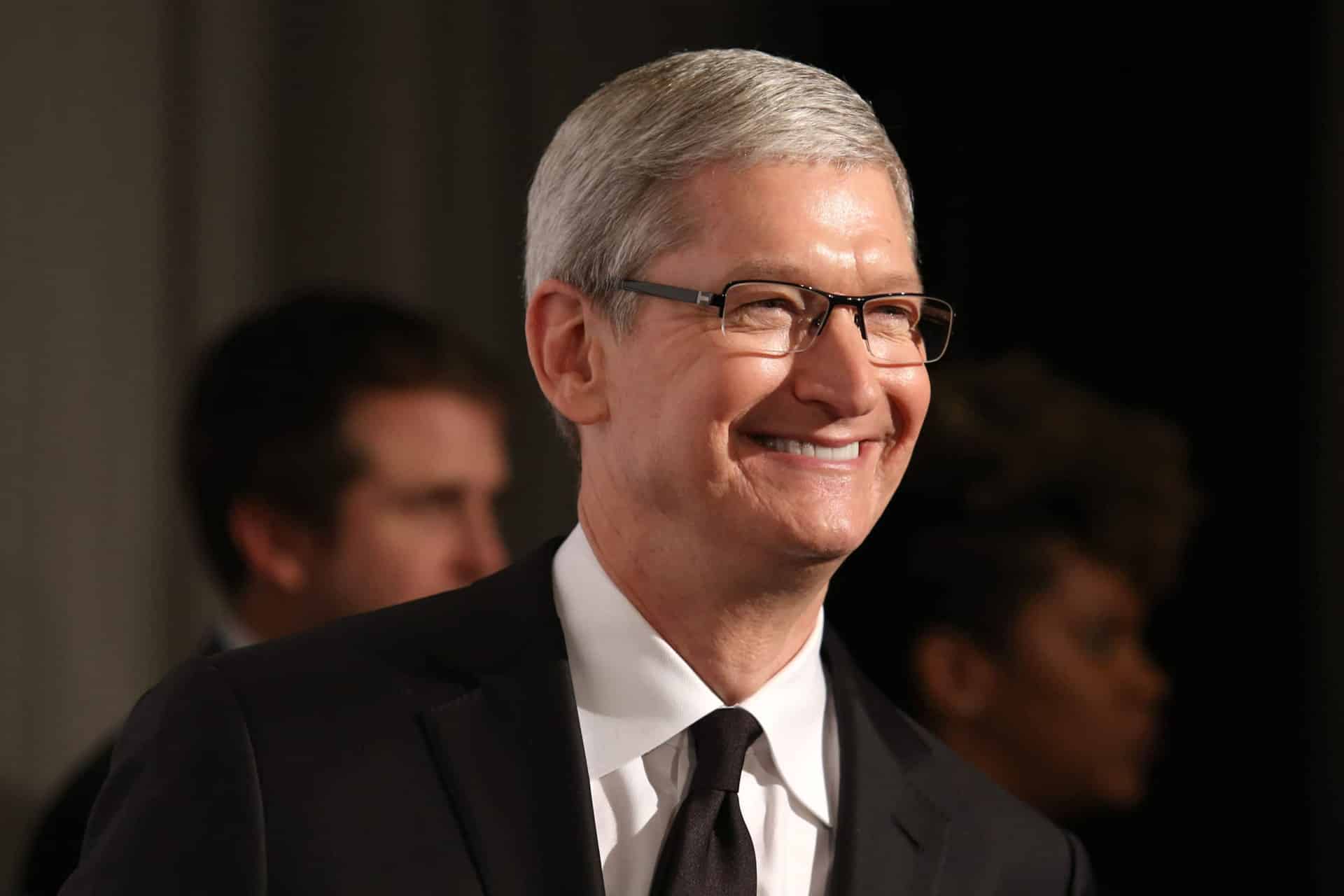
Tim Cook legacy at Apple begins with the impossible job he inherited. In August 2011, he became CEO after Steve Jobs, one of the most influential founders in technology history, stepped away from day-to-day leadership.
No executive could replace Jobs in personality, mythology, or cultural force. Cook’s task was different. He had to prove that Apple was not only the expression of one extraordinary founder, but a company with enough discipline, talent, and internal structure to keep building for decades.
Fifteen years later, that question has been answered in financial terms with unusual force. Apple announced that Cook will become executive chairman on September 1, 2026, with John Ternus taking over as CEO after a long-term succession process approved by the board.
During Cook’s run, Apple moved from a company valued at roughly $350 billion into a business widely reported at more than $4 trillion, while expanding its product lines, services, retail presence, supply chain scale, and global installed base. Apple’s own fiscal 2025 results showed annual revenue of $416.16 billion, with Services reaching new records and iPhone revenue setting September-quarter highs.
Cook’s Apple was not built around dramatic reinvention every year. It was built around patience, refinement, and control. That made his era less theatrical than the Jobs years, but far larger in reach. Apple became more operationally powerful, more financially durable, and more embedded in daily life. The company did not only sell devices. It built a global system of hardware, software, services, payments, subscriptions, privacy controls, wearables, and silicon that keeps customers connected to Apple long after the first purchase.
From Operations Master to Global CEO
Cook’s rise inside Apple came from operations. Before becoming CEO, he served as chief operating officer, managing worldwide sales and operations, supply chain, service, support, and reseller relationships across markets. Apple’s leadership profile describes his work as central to the company’s ability to respond to an increasingly demanding marketplace. That background shaped the Apple he later led.
Under Cook, Apple’s supply chain became one of the company’s greatest competitive advantages. The company could launch products at enormous scale, manage complex global manufacturing, secure key components, and maintain quality across hundreds of millions of devices. This was not glamorous work in the public imagination, but it was essential to Apple’s growth. A beautiful product concept means little if it cannot be produced reliably, shipped globally, supported locally, and replaced or repaired when needed.
Cook also expanded Apple’s global reach. China became central to both manufacturing and sales. India grew into a larger production and retail opportunity. Apple Stores continued serving as brand theaters, support centers, and direct sales channels. The company’s retail and logistics machine gave Apple control over the customer experience from product announcement to daily support.
This operational discipline became the backbone of the Cook era. It allowed Apple to widen the product family without losing consistency. It also allowed Apple to navigate crises, including supply disruptions, trade tensions, component shortages, and pandemic-era manufacturing shocks. Cook did not lead through spectacle. He led through execution.


Wearables and Services Changed Apple’s Shape
Cook’s most important product legacy may be that Apple became bigger than the iPhone without becoming less dependent on it too quickly. The iPhone remained the company’s main engine, but Cook’s Apple built powerful businesses around it.
Apple Watch became the defining new hardware category of his tenure. It started with uncertain positioning, part fashion accessory and part notification device, before gradually becoming Apple’s most personal health and safety product. Over time, the watch gained stronger fitness tracking, heart features, fall detection, emergency tools, cellular capability, and family setup options. It turned Apple into a serious presence on the wrist and helped reshape the watch industry around health and connected functionality.
AirPods became another Cook-era success. What first looked like a simple wireless accessory turned into a cultural product and a major wearables business. AirPods made Apple’s audio ecosystem feel effortless across iPhone, Mac, iPad, Apple Watch, and Apple TV. They also showed how Apple could create a new category out of something users already needed every day.
Services changed the company’s financial structure. Apple Music, iCloud, Apple TV, Apple Arcade, Apple Fitness, Apple Pay, AppleCare, advertising, and the App Store gave Apple recurring revenue tied to its installed base. By fiscal 2025, Apple was reporting all-time Services records, showing how central the segment had become to the company’s growth story.
This shift made Apple less exposed to a single hardware cycle. Customers could keep older devices longer while still paying for storage, entertainment, apps, payments, warranties, and subscriptions. That recurring relationship is one of Cook’s most important business achievements.
Apple Silicon Became a Strategic Breakthrough
The transition from Intel processors to Apple Silicon stands among the clearest technical achievements of Cook’s leadership. It changed the Mac from the inside and proved that Apple’s integration model could deliver results far beyond marketing language.
With M-series chips, Apple gained deeper control over performance per watt, battery life, thermal design, graphics, media engines, and machine learning acceleration. MacBook Air became quieter, faster, and more efficient. MacBook Pro regained a stronger professional identity. Mac Studio created a compact high-performance desktop for creative and technical work. The Mac began to feel less like a traditional computer assembled from outside roadmaps and more like a fully Apple-built platform.
This transition also strengthened Apple’s wider strategy. Apple Silicon connected iPhone, iPad, Mac, Vision Pro, and future AI workloads through a common design philosophy. It made on-device processing more important and gave Apple a stronger privacy argument. When Apple talks about personal intelligence running locally on the device, that claim depends heavily on the chip work that matured during Cook’s tenure.
Johny Srouji’s promotion to chief hardware officer in 2026 further underlines how important custom silicon became inside Apple’s leadership structure. Srouji joined Apple to lead development of the A4 and later became central to Apple’s chip strategy. His expanded role after Ternus’ CEO appointment shows that the silicon era Cook helped scale will continue shaping Apple’s next chapter.

Privacy, Environment, and Corporate Identity
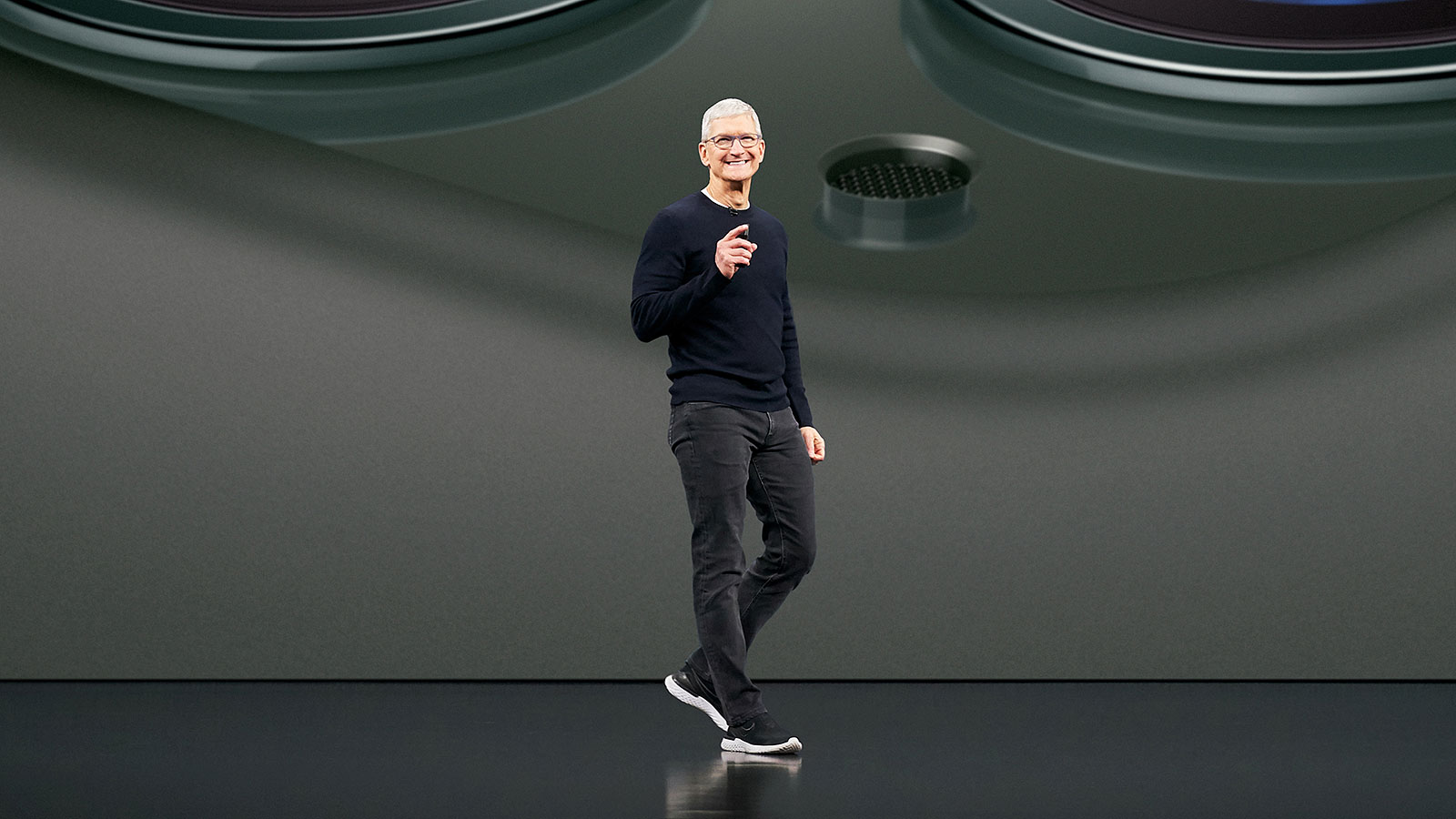
Cook also changed Apple’s public identity. Privacy became one of the company’s clearest corporate positions. Under his leadership, Apple framed privacy not as a technical feature but as a human right and a product value. App Tracking Transparency, on-device processing, privacy labels, encrypted services, and repeated public messaging made privacy part of Apple’s brand in a way that competitors struggled to match.
That position had business consequences. It strengthened user trust, especially as smartphones became containers for health data, financial information, location history, photos, messages, passwords, and work documents. It also created tension with advertising companies, developers, and regulators. Cook accepted that tension because privacy became one of Apple’s strongest differentiators.
Environmental commitments also became more visible. Apple committed in 2020 to becoming carbon neutral across its entire footprint by 2030. In its 2026 environmental update, Apple said 30 percent of materials across products shipped in 2025 came from recycled content, with 100 percent recycled cobalt in Apple-designed batteries and 100 percent recycled rare earth elements in all magnets. These milestones show how Cook’s Apple tried to turn sustainability into a manufacturing and materials discipline rather than a side campaign.
Cook also made Apple more active in public policy, accessibility, education, health, and social issues. That broader corporate voice was sometimes praised and sometimes criticized, but it reflected his belief that Apple’s influence carried responsibility beyond product launches.
The Criticism Around the Cook Era
A serious view of Tim Cook legacy cannot ignore the criticism. Apple under Cook became enormously successful, but some observers argued it became less surprising. The company perfected categories more often than it invented entirely new ones. Apple Watch and AirPods were major successes, but they did not carry the same world-altering shock as the iPhone. Vision Pro was ambitious, but its first generation faced questions around price, comfort, and mainstream purpose.
AI became the sharpest pressure point near the end of Cook’s CEO tenure. The launch of ChatGPT in 2022 changed the technology world’s expectations almost overnight. OpenAI, Google, Microsoft, Meta, Anthropic, and Nvidia moved quickly into the public AI narrative. Apple, despite having powerful devices and years of machine learning work, appeared slower in the race for consumer-facing generative AI. Siri, long criticized for lagging behind, became the symbol of that gap.
That does not erase Cook’s achievements, but it defines the challenge he leaves behind. Apple’s next CEO inherits a company with extraordinary strengths and a clear AI urgency. John Ternus will need to prove that Apple can make AI feel personal, private, and useful across hardware, software, and services without losing the simplicity that made the company trusted in the first place.
Cook’s most persistent criticism may be that he made Apple bigger than it had ever been, but not always more daring. His defenders would answer that keeping Apple excellent at global scale may have been the harder job.
A Legacy Built on Scale and Trust
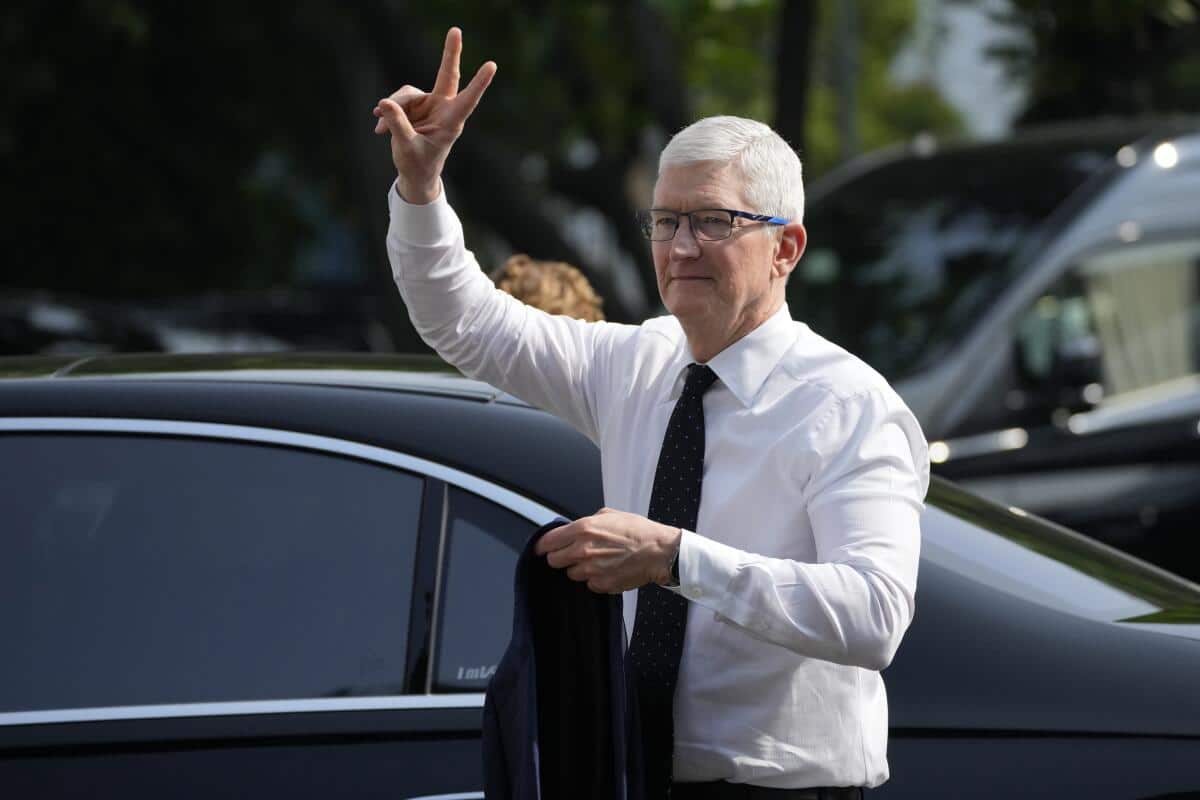
Tim Cook legacy is ultimately the story of Apple becoming a mature empire without losing its premium identity. He did not run Apple like Steve Jobs. He was never going to. His achievement was proving that Apple could survive Jobs, then grow far beyond the company Jobs left behind.
He turned operations into a strategic weapon. He expanded services into a recurring revenue machine. He oversaw the rise of Apple Watch and AirPods. He supported the Apple Silicon transition that remade the Mac. He made privacy a public pillar of Apple’s identity. He pushed environmental commitments deeper into the supply chain. He kept Apple financially dominant through product cycles, global crises, and changing markets.
Cook leaves the CEO role with Apple larger, richer, broader, and more deeply embedded in daily life than when he took over. The company now faces a new test around AI, personal agents, spatial computing, regulation, and the future shape of the iPhone. That test belongs to Ternus. The platform he inherits belongs, in large part, to Cook.