

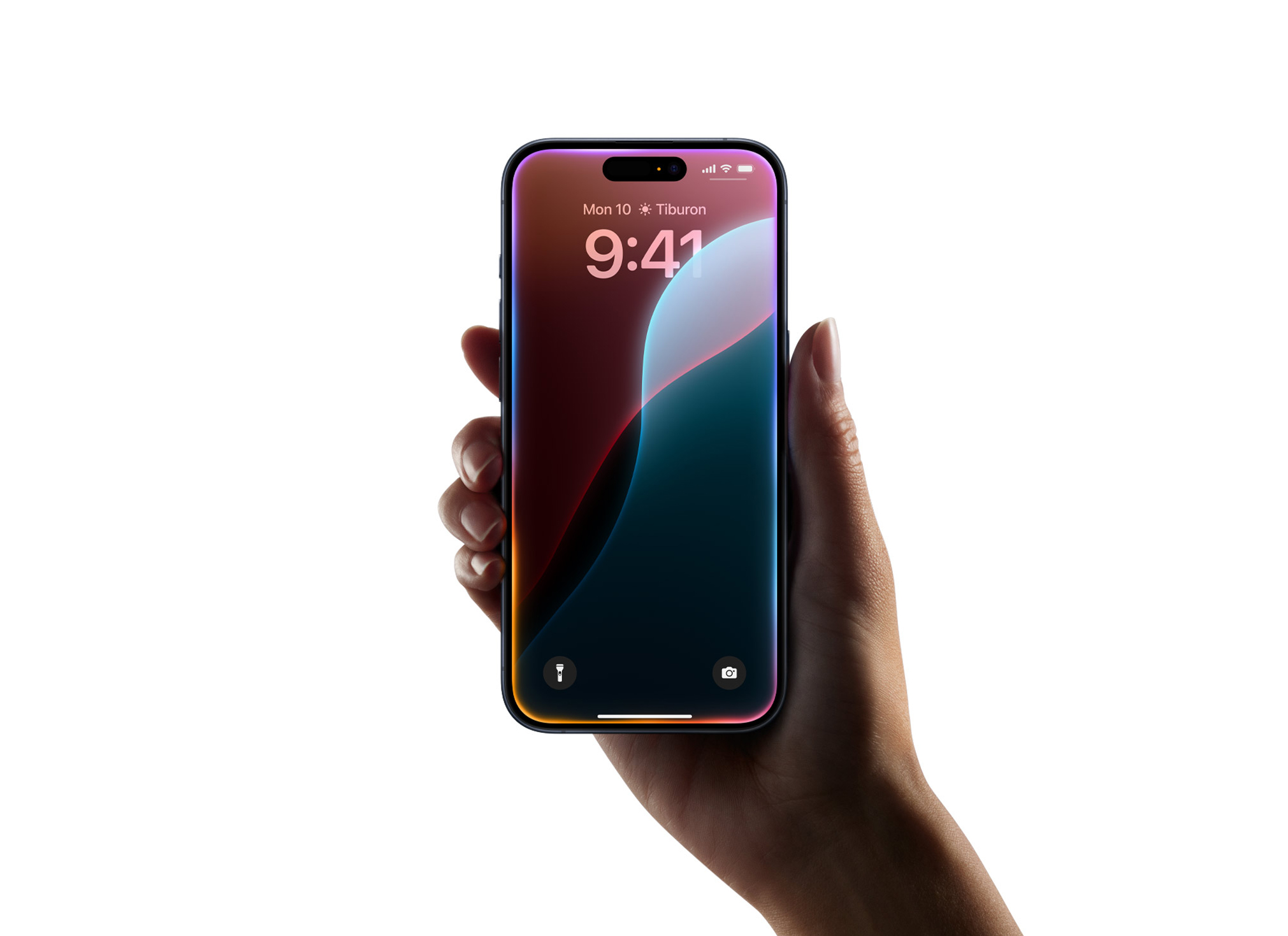
Tim Cook step down has arrived at the exact moment when Apple is facing its loudest strategic question in years. Is the CEO transition a sign that Apple’s AI delays finally forced a leadership reset, or is it a carefully timed move that lets the company hand control to a hardware-focused executive before the next computing cycle becomes fully visible?
That tension is what makes the moment so controversial. Apple’s official story is orderly succession. Cook will become executive chairman on September 1, 2026, while John Ternus, Apple’s longtime hardware engineering leader, becomes CEO. The board approved the transition, Cook remains close to the company, and Ternus takes over after more than two decades inside Apple’s product culture. On paper, this is exactly the kind of smooth handoff large companies want.
The industry mood is not that simple. Apple is no longer being judged only by iPhone sales, Mac performance, services revenue, wearables growth, or retail strength. It is being judged against the speed of the AI era. Since ChatGPT’s launch, the expectations around personal technology changed faster than almost anyone predicted. OpenAI, Google, Microsoft, Meta, Anthropic, Nvidia, and others turned AI into the center of productivity, search, coding, content creation, workplace automation, and personal assistance. Apple has the devices people use every day, but it has not yet owned the public AI narrative.
That is where the criticism begins. Bloomberg has reported repeatedly on Apple’s struggle to modernize Siri, including delays, internal resets, and the pressure to catch up with rival AI systems. Reuters also framed Ternus’ new role around the AI age, noting that Apple trails companies such as Microsoft, Google, and Meta in the current race while investors and analysts question whether Apple can move boldly enough. The CEO transition now lands inside that debate, even if Apple presents it as planned succession.

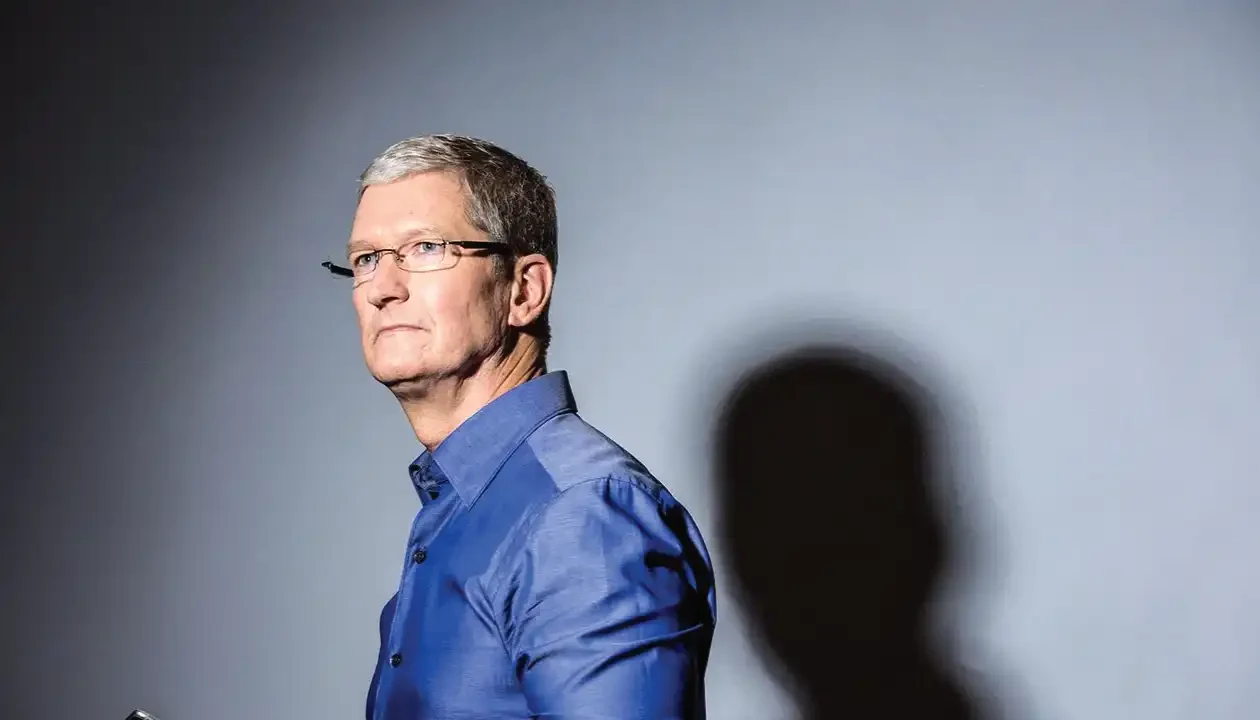
The AI Failure Argument
The critical reading is blunt: Cook built the most financially powerful Apple in history, but the company missed the first public wave of generative AI. Siri should have been Apple’s natural bridge into this era. It had the brand recognition, the device placement, the voice interface, and years of user familiarity. Instead, ChatGPT became the tool that changed public expectations. Gemini, Copilot, Claude, Meta AI, and other systems followed with visible speed, while Siri remained tied to older assistant behavior for many users.
That gap hurts because Apple owns the most personal device layer in technology. The iPhone sits in the pocket. Apple Watch sits on the wrist. Mac handles work. iPad handles reading, writing, and creative tasks. AirPods sit in the ear. Apple TV and HomePod sit in the home. No other company has the same blend of personal hardware, private data context, and daily user trust. If any company should have turned AI into a personal assistant before the rest of the industry, critics argue, it should have been Apple.
This is why Cook’s step down can be read as a response to pressure. The company’s AI story has been slower, more fragmented, and less convincing than the market expected. Apple Intelligence introduced useful ideas, including writing tools, notification summaries, image features, and Private Cloud Compute. But the delay of the more capable Siri became a symbol of the broader problem. Apple’s AI promise often sounded stronger than the product users could fully experience.
The most damaging criticism is not that Apple lacks AI technology. It is that Apple has been late to make AI feel central. The company has used machine learning for years in photography, health, security, accessibility, and device behavior. But the AI revolution became public through conversation, agency, and visible productivity. Apple was strong in invisible intelligence. The market wanted visible intelligence.
Under that view, Ternus becomes the reset candidate. A hardware executive taking over may not sound like the obvious AI answer, but he represents product leadership rather than operational management. Critics who saw Cook as too cautious may hope Ternus will push Apple to move faster, take more product risk, and turn AI into something deeply built into devices rather than presented as a late software layer.
The Genius Timing Argument
The other side sees the transition very differently. Tim Cook step down may be happening not because Apple failed, but because Cook has chosen one of the cleanest possible moments to hand the company forward. Apple is still financially dominant. Its installed base is enormous. Services remain strong. Apple Silicon transformed the Mac. Apple Watch and AirPods became major product categories. The company has a clear succession plan, and Cook is not disappearing. He becomes executive chairman, preserving continuity while giving Ternus full CEO authority.
That is not crisis management. That is controlled succession.
This reading also argues that Apple’s AI position is stronger than the public narrative suggests. Apple may not have won the chatbot race, but it still has the device layer that every AI company wants. If the future of AI is not only typing into a chatbot, but managing personal agents across messages, files, calendars, cameras, calls, maps, payments, health, and home devices, Apple still has one of the best starting positions in the industry.
Apple’s privacy strategy may also age better in this next phase. AI becomes more powerful as it gets closer to personal life. A model that can understand messages, schedules, family routines, health data, location, and work files is useful, but also sensitive. Apple has spent years building privacy as a brand pillar, and Private Cloud Compute is designed to extend that promise into AI workloads. If users become more cautious about where personal AI data goes, Apple’s slower, privacy-first approach may look less like hesitation and more like preparation.
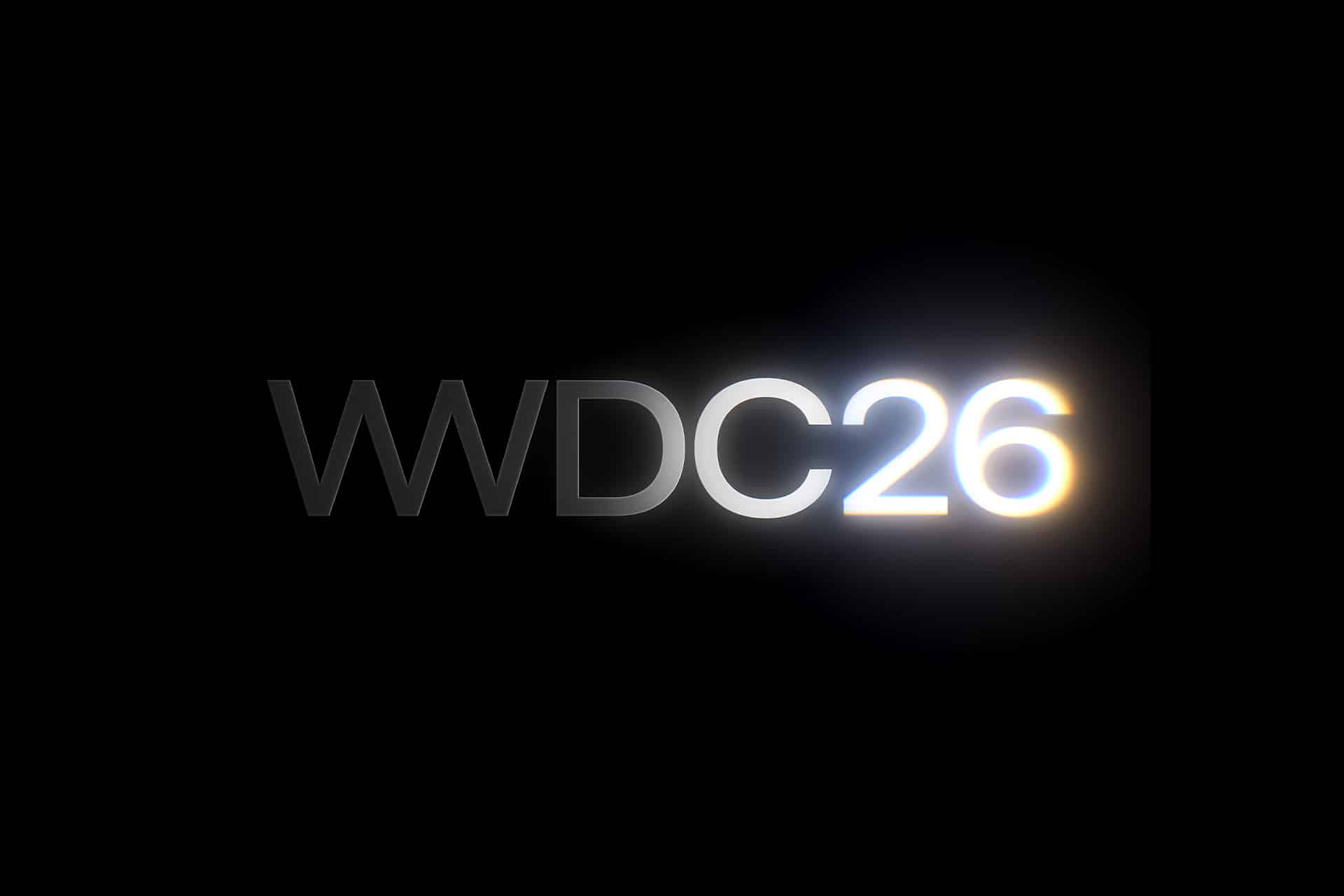
The timing also aligns with WWDC26 and the next major Siri chapter. Reports have suggested Apple is working on deeper Siri upgrades, including the ability to handle more complex multi-step requests and potentially connect to rival AI services. If Apple uses 2026 to show a broader AI model, then Cook’s transition could be seen as handing Ternus the company just as the new platform begins, not after it has already failed.
A hardware CEO may also make more sense than it appears. Apple’s AI future depends on chips, Neural Engines, memory, cameras, microphones, sensors, secure enclaves, battery life, thermal systems, and private cloud servers. AI on Apple devices is not only a software race. It is a systems race. Ternus, shaped by hardware engineering, may be the right leader for a period when intelligence must be embedded into the product itself.

Cook’s Real Legacy Complicates the Criticism
The strongest argument against calling this an AI failure is Cook’s record. Apple’s market value rose from about $350 billion when he became CEO to around $4 trillion. Annual revenue expanded dramatically. Services became a massive high-margin business. Apple Watch and AirPods grew into defining wearables. Apple Pay, Apple Music, Apple TV, iCloud, AppleCare, and the App Store deepened the business. Apple Silicon gave the Mac its strongest technical identity in years.
Cook also made Apple more resilient. He navigated trade pressure, China complexity, pandemic disruption, supply chain shocks, privacy battles, antitrust scrutiny, and political pressure without breaking the company’s financial performance. That kind of leadership is not easily replaced.
The criticism is more specific. Cook may have built the strongest Apple business ever while still leaving the next CEO with an AI urgency he did not solve. Both things can be true. A CEO can be historically successful and still late to a defining technology cycle. The controversy around the transition comes from that overlap.
Apple has faced this kind of tension before. It is rarely the first company to enter a category. It was not first in MP3 players, smartphones, tablets, smartwatches, wireless earbuds, or streaming services. Its best moves often came after others proved demand. The difference with AI is speed. The category is moving faster than Apple’s usual refinement cycle, and the risk of waiting too long is larger because AI could become the interface above every app.
That is why Cook’s legacy and the AI criticism now collide. He leaves Apple in extraordinary condition, but not with unquestioned momentum in the technology that currently defines the industry.
Why Ternus Changes the Debate
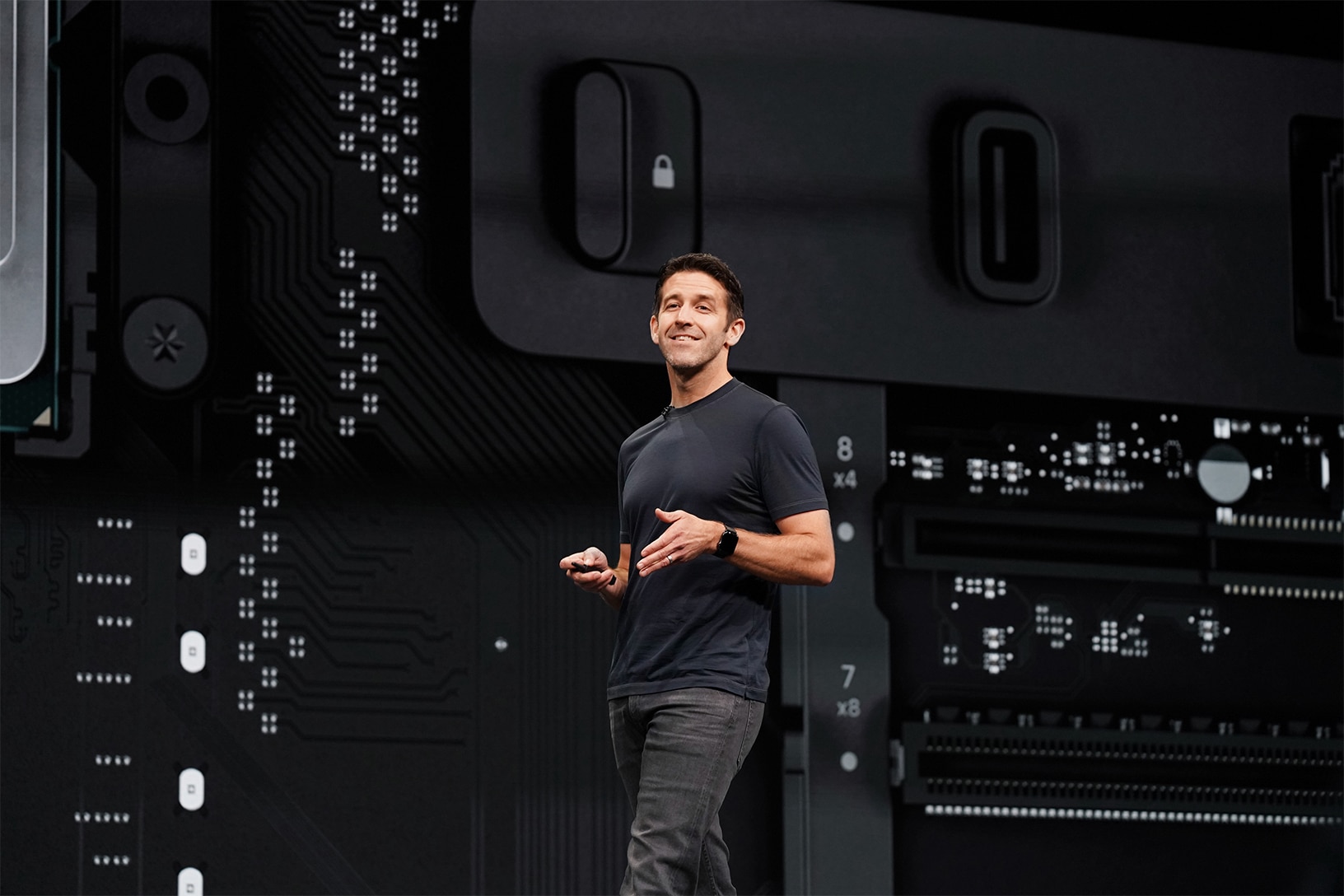
John Ternus changes the tone because he represents product execution. His background is not services, finance, legal, retail, or operations. He comes from hardware engineering. He helped guide the teams behind the products Apple customers touch every day. Reuters described him as a product perfectionist, and that matters because Apple’s next AI moment cannot live only in keynote slides. It has to become a product people trust.
The optimistic view is that Ternus can bring Apple back to a more product-centered rhythm. That does not mean abandoning Cook’s operational discipline. It means using that discipline to ship more meaningful devices and interfaces. If Siri becomes a real agent layer, if Apple Intelligence becomes useful across the system, if iPhone, Mac, Watch, AirPods, HomePod, and Vision Pro start working together through AI in a practical way, Ternus could quickly reframe the conversation.
The skeptical view is that hardware perfectionism may slow Apple even more. AI products often improve through fast iteration, visible mistakes, constant updates, and rapid experimentation. Apple’s instinct is to polish before release. That instinct protects trust, but it can also make the company look slow when competitors are shipping weekly model upgrades and new AI features at aggressive speed.
This is the core question for the New Apple CEO era. Can Apple keep its standards while moving at AI speed?

The Most Likely Truth Is Between Both Sides
Tim Cook step down is probably neither a simple AI failure nor pure genius timing. It looks like a planned succession that became more controversial because AI changed the context around it. Cook is 65, has led Apple for 15 years, and leaves after one of the most successful CEO runs in business history. A transition around this time was always reasonable. But the AI gap makes the timing impossible to separate from strategic pressure.
That is what makes the moment so fascinating. Apple is not collapsing. It is not desperate. It is not losing the iPhone business overnight. But it is no longer allowed to move casually on AI. The company has to prove that its privacy-first, device-centered model can compete with the speed and spectacle of rivals. It has to make Siri useful enough to matter again. It has to turn Apple Intelligence from a feature set into a daily habit. It has to show developers that AI inside Apple platforms is not an afterthought.
Cook hands Ternus a company with enormous advantages: loyal users, powerful silicon, trusted devices, a massive installed base, global services, and deep hardware integration. He also hands him a problem Apple cannot solve with supply chain discipline alone. AI is not only another product category. It is becoming the layer through which people may manage work, search, communication, creativity, home automation, health, travel, and daily decisions.
That is why the transition feels so loaded. If Ternus delivers a strong Siri and Apple Intelligence roadmap, Cook’s step down will look brilliantly timed: the operational builder handing the company to the product engineer right before the next platform shift. If Apple continues trailing in AI, critics will say the handoff came after the warning signs were already impossible to ignore.
The answer will not come from the announcement. It will come from WWDC26, from Siri, from iOS and macOS, from the next iPhone, and from whether Apple can make AI feel less like a separate tool and more like the natural intelligence of the devices people already trust.