


tvOS 27 gives Apple TV a more connected software update in 2026, with smarter services, richer media features, and a stronger role inside Apple’s living-room strategy. It is not the loudest WWDC26 update, but it arrives at a moment when Apple TV may be ready for a larger hardware refresh.
Apple TV has long been one of Apple’s quieter products. It sits at the intersection of streaming, gaming, music, fitness, smart home control, FaceTime, photos, and Apple services, but it rarely receives the same attention as iPhone, Mac, or Apple Watch. tvOS 27 does not change that overnight. What it does is give Apple more software reasons to keep the device relevant before a possible September hardware cycle.
The update fits Apple’s wider WWDC26 direction. Apple is moving features across devices rather than treating each operating system as a separate product. Apple TV benefits from that shift because its value depends heavily on other Apple services: Apple TV, Apple Music, Apple Arcade, Apple Fitness+, Apple Podcasts, Photos, iCloud, Home, AirPlay, and Siri. The more connected those services become, the more useful Apple TV becomes as the screen at the center of the home.
tvOS 27 Brings More Intelligence to the Living Room
The biggest tvOS 27 change is not one single app. It is the way Apple is bringing more intelligence and service continuity into the living room.
Apple TV is where Apple’s ecosystem becomes shared. iPhone and Mac are personal devices. Apple Watch and AirPods are even more personal. Apple TV is different. It is the device used across a couch, a room, a house, or a group of people. That makes smarter search, better profiles, easier content discovery, and stronger Siri AI especially relevant.
Siri has always had potential on Apple TV because typing on a TV is inconvenient. If Siri AI becomes more capable across Apple’s 2026 software cycle, Apple TV could be one of the devices that benefits most. A better assistant can help search movies, find shows, launch apps, control playback, answer questions about content, manage Home accessories, start workouts, and connect with other Apple devices.
That does not mean Apple TV becomes an AI-first product immediately. But tvOS 27 gives Apple a chance to make voice and context more useful where they are needed most: on a screen where remote navigation can still feel slower than it should.

Apple Music AutoMix Expands to Apple TV
One of the more practical service upgrades tied to tvOS 27 is Apple Music AutoMix. Apple is expanding AutoMix beyond iPhone, bringing its AI-powered song transitions to Apple TV and HomePod.
AutoMix is designed to blend songs using musical elements such as key and tempo, creating smoother transitions than a basic crossfade. On Apple TV, that can make Apple Music feel more polished during parties, workouts, background listening, or long playlists displayed on the big screen.
This matters because Apple TV is often used as a shared audio hub. It can connect to a TV sound system, HomePod speakers, AirPods, or external audio setups. When Apple Music runs through Apple TV, the experience is less like personal listening and more like room-level entertainment.
AutoMix gives Apple TV a stronger place in Apple Music’s 2026 upgrade. It also shows how tvOS 27 benefits from services that Apple introduced across the wider ecosystem. Apple TV does not need every feature to be exclusive. It needs the best Apple services to work well on the largest screen in the home.
Video Podcasts Come to Apple TV
Apple Podcasts is also becoming more useful on Apple TV with expanded video podcast support. Apple is bringing video podcast playback to tvOS with a redesigned experience, sidebar navigation, and creator artwork.
That update fits a shift in podcast consumption. Many major podcasts now publish full video episodes, and living-room screens are increasingly used for long-form interviews, commentary, creator shows, and documentary-style conversations. Apple TV gives Apple a better place to compete for that kind of viewing without turning Podcasts into another streaming app.
The value is simple: audio podcasts stay personal, but video podcasts often work better on a TV. Users can watch interviews, follow creator channels, and browse episodes from the couch without depending on YouTube or other video platforms.
Apple has the podcast library and the TV hardware. tvOS 27 helps connect those two more directly.
Apple TV Still Matters for the Smart Home
tvOS 27 also arrives as Apple continues trying to strengthen its smart home strategy. Apple TV already works as a home hub, allowing HomeKit and Matter accessories to stay connected, respond remotely, and work with automations.
That role may become more important as Apple prepares future home hardware. A refreshed Apple TV could serve as a better bridge between entertainment, Home controls, Siri AI, cameras, FaceTime, and household automation. Apple has all the pieces, but the living-room hardware has not yet become the central home device it could be.
Apple TV is well positioned for that role because it is always plugged in, connected to a large screen, and already part of the entertainment setup. It can show camera feeds, run Home scenes, connect to speakers, support FaceTime through Continuity Camera, and bring Apple services into a shared space.
tvOS 27 keeps that foundation moving, but the next hardware update could be where Apple makes the smart home story more serious.
The Perfect Timing for a New Apple TV
A September event would be a natural moment for Apple to introduce refreshed Apple TV hardware. The current product remains fast and capable, but Apple’s living-room ambitions may need a stronger setup box for the next phase of services, gaming, smart home, and AI.
A new Apple TV could bring a newer chip, better Wi-Fi, improved Thread and Matter support, more storage, stronger gaming performance, improved Siri handling, better remote features, and deeper integration with Apple Intelligence. If Apple wants Apple TV to act as a smarter home and media hub, the hardware needs to match that direction.
The gaming angle is also worth watching. Apple Arcade has never turned Apple TV into a serious console competitor, but a more powerful model could make the device more attractive for casual living-room gaming. With better controllers, stronger Apple silicon, and a larger Apple Arcade catalog, Apple TV could become a more convincing entertainment box.
The smart home angle may be even more important. If Apple is preparing new home devices, robotic home hardware, or smarter Siri-based controls, Apple TV could become the stable hub that anchors the experience. September would give Apple a chance to connect iPhone, Apple Watch, AirPods, HomePod, Apple TV, and Home into one stronger household story.
Apple TV Needs a Multi-Function Boost
The biggest challenge for Apple TV is not software quality. It is identity. The product is a streaming box, but also more than a streaming box. It is a gaming device, but not a console. It is a smart home hub, but not always presented as one. It is a FaceTime device, but only with other Apple hardware. It is a services device, but many people buy it mainly to open streaming apps.
tvOS 27 helps because it reinforces Apple TV as a services hub. Apple Music gets smarter. Podcasts gets video. Siri AI may improve discovery. Home remains connected. Apple Arcade and Fitness+ continue to give Apple TV roles beyond watching shows.
A new setup box could make that identity clearer. Apple does not need to make Apple TV louder or more complicated. It needs to make the device feel like the best way to experience Apple services in a shared space.
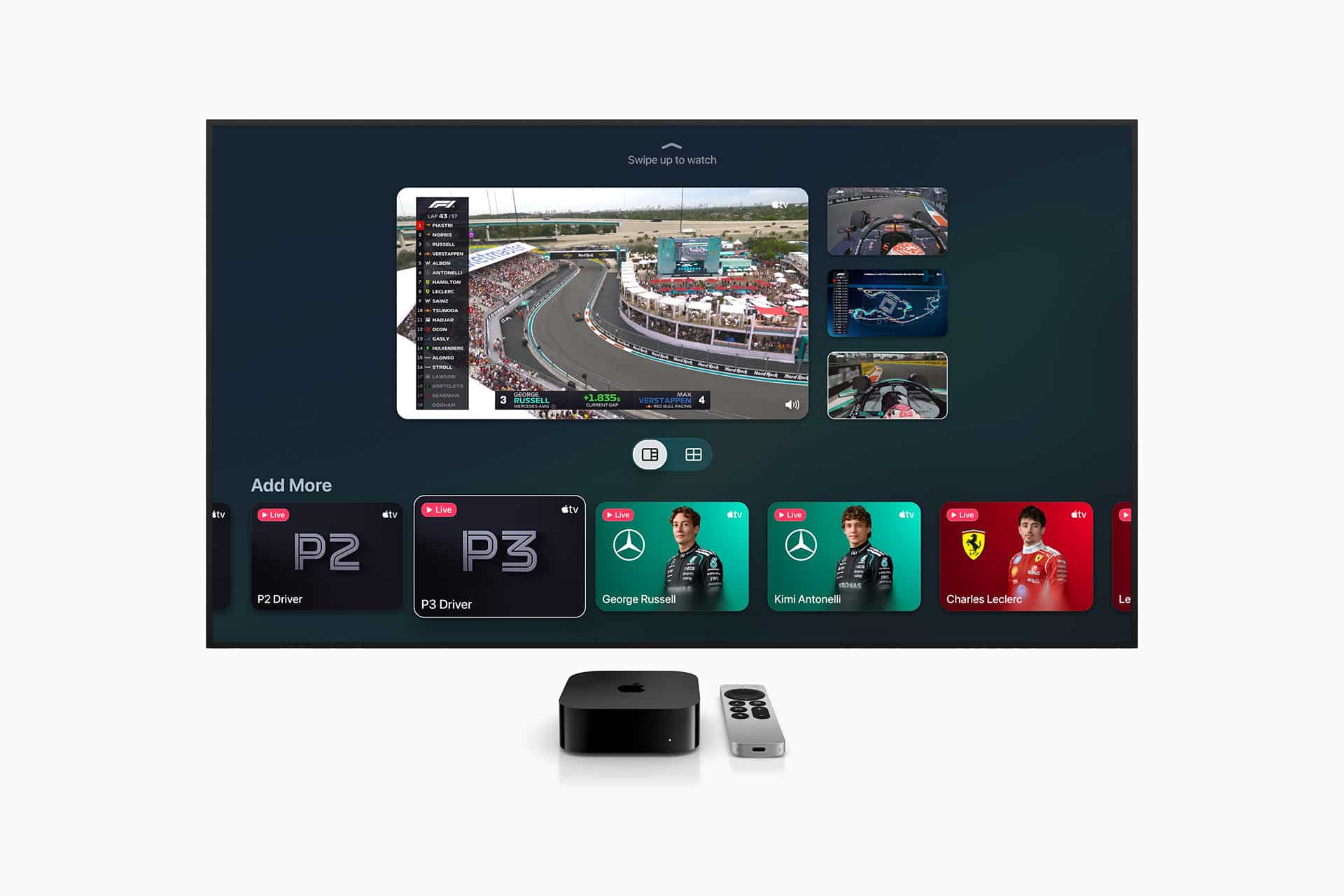
That could mean a cleaner interface, faster navigation, stronger voice control, better content discovery, and more visible Home controls. It could also mean a more ambitious remote or accessories that make Apple TV feel less passive.
tvOS 27 Sets the Stage, Hardware Could Finish It
tvOS 27 is a software setup for a larger Apple TV opportunity. The update brings better service integration, smarter media features, video podcasts, AutoMix support, and a stronger foundation for Siri and Home. Those changes make Apple TV more useful, but they also expose how much more the hardware could do.
Apple has spent years building a personal device network. Apple TV is the shared-screen piece of that network. It is where music, movies, shows, podcasts, games, photos, workouts, smart home controls, and FaceTime can meet in one place.
A revamped Apple TV in September would make sense because Apple’s 2026 software direction is already pointing there. Siri AI needs a better living-room role. Apple Music and Podcasts are becoming more visual. Home needs a stronger center. Apple Arcade could use better hardware. Apple services need a device that makes them feel complete on the biggest screen.
tvOS 27 gives Apple TV a smarter base. A new setup box could give Apple’s living-room strategy the hardware push it has been waiting for.