

Underwater iPhone photos have always sat between convenience and compromise. The iPhone is already the camera many people take to the pool, beach, lake, or boat, but water changes the way light reaches a lens. Even when a device is protected from liquid damage, underwater images can look softer, warped, lower in contrast, or less natural than photos captured in open air. A newly granted Apple patent points to a possible hardware approach that would treat underwater photography as an optical problem, not only a durability problem.
The patent describes an optical system for use in an underwater environment, built around a protective housing and a lens surface designed to work while in direct contact with water. Instead of placing a standard camera behind a flat layer of protection, the invention describes a curved outer lens surface that can help manage the way light bends as it travels between water, glass, and the camera module. That refraction issue is central to why underwater images are difficult to capture cleanly with ordinary phone hardware.
The filing does not confirm that a future iPhone will ship with a dedicated underwater camera system. Apple patents a wide range of technologies, and many never appear in retail products. Still, the patent fits a longer pattern of work around iPhone durability, camera processing, and device behavior in wet conditions. Apple has previously explored underwater user interfaces and image-processing techniques for submerged scenes, while current iPhone models already carry water-resistance ratings under controlled laboratory conditions.
The more interesting detail is the direction of the idea. The company is not simply describing a thicker waterproof case. The patent points to an optical layer that could become part of the camera structure itself, protecting the module while also improving image capture. For a device where the camera system has become one of the biggest reasons people upgrade, even a specialized capability like underwater shooting can become part of a broader push toward more reliable photography in difficult environments.

Underwater iPhone Photos and the Refraction Problem
Underwater iPhone photos are hard to perfect because water changes the optical path before the image ever reaches the sensor. In air, a lens system can be designed around a predictable relationship between the camera, glass, and the surrounding environment. Underwater, light bends differently as it moves through water and then through the protective material covering the lens. That can introduce distortion, reduce sharpness, and make the image look less like the scene the photographer saw.
Traditional underwater camera housings often solve part of this problem with larger optical ports, domes, or flat covers designed around dedicated camera lenses. Those accessories can work well, but they are bulky compared with a phone. They also change the way people use an iPhone. A phone placed inside a waterproof housing becomes larger, less natural to hold, and harder to operate quickly, especially for casual swimming, snorkeling, or vacation photography.
Apple’s patent suggests a more integrated approach. The described optical system includes a housing that separates the inside of the device from the surrounding environment in a watertight manner, while the lens has an outer surface that can remain in fluid contact with the water. The outer surface may be curved, including convex or spherical shapes, to help address the optical behavior of underwater capture.
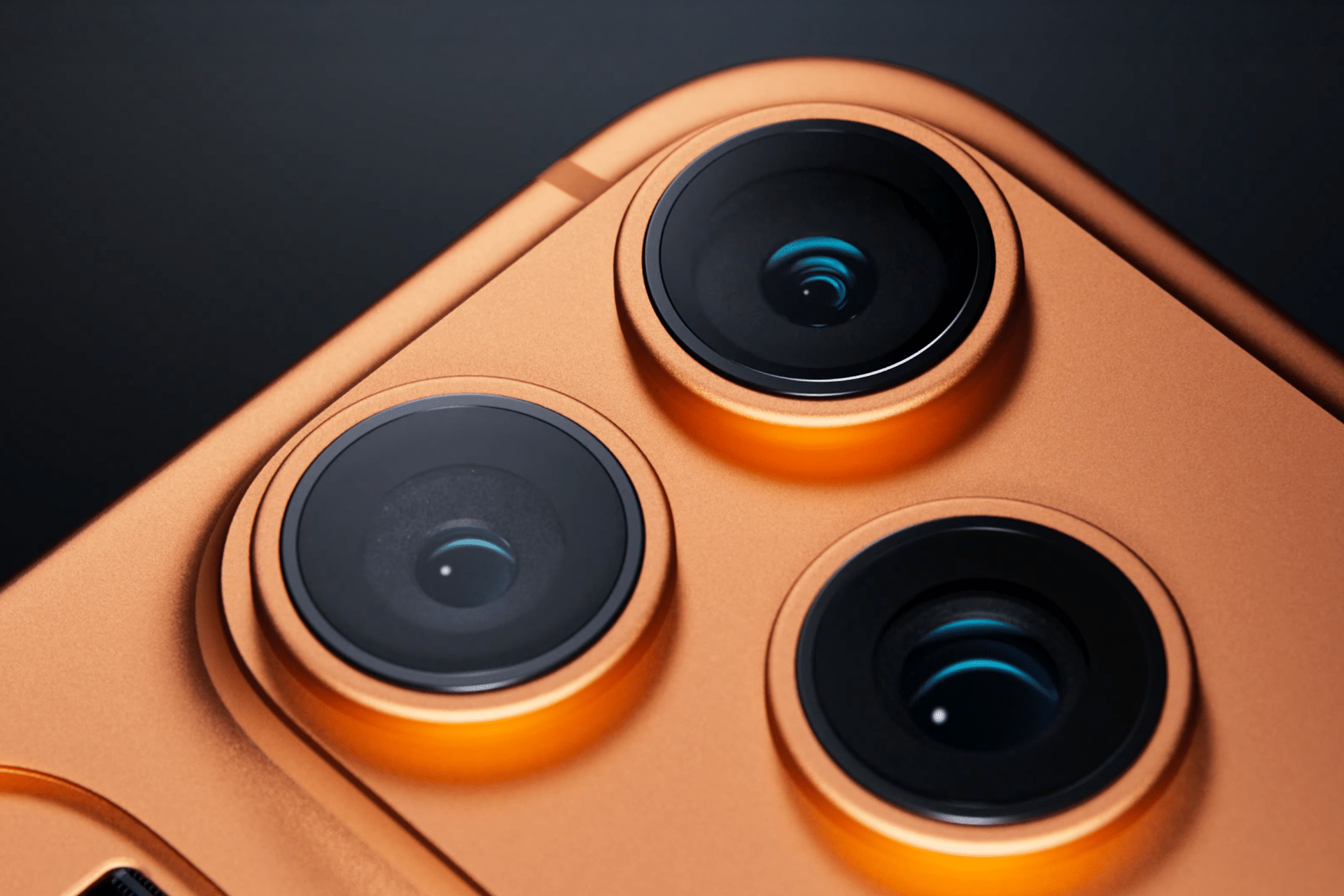
That kind of design could matter for multi-camera iPhone systems. Modern iPhones use multiple lenses with different focal lengths and imaging roles, including wide, ultra wide, and telephoto options depending on the model. Underwater capture adds another layer of complexity because each camera module may interact differently with the surrounding water. A protective optical layer that follows the camera layout or works across multiple modules could help keep images more consistent.
The patent also shows how underwater photography is more than a software challenge. Computational photography can correct color, tone, noise, and contrast after the image reaches the sensor. It can also help estimate depth, detect subjects, and merge data from multiple cameras. But if the lens is receiving distorted or poorly focused light before capture, software has less clean information to work with. Improving the optical path gives image processing a better starting point.
Color is another underwater challenge. Water absorbs light unevenly, and red tones disappear faster as depth increases. Skin tones, sand, coral, rocks, and pool surfaces can shift in ways that make photos look flat or heavily tinted. Earlier Apple work around underwater photography discussed image correction for submerged scenes, including preserving the natural appearance of water while reducing unwanted color casts in the subject. A hardware lens system would not replace processing, but it could complement it by helping the camera collect a cleaner image before software adjustments begin.
A Patent, Not a Product Promise
Apple patents should be read carefully because they are not product announcements. A granted patent means the company has secured intellectual property around an invention, not that the next iPhone will include it. Apple’s camera roadmap depends on manufacturing cost, reliability, thermal limits, space inside the device, software readiness, and whether the feature solves a large enough problem for everyday buyers.
That caution is especially important with underwater photography. Current iPhones are water resistant, not waterproof in a permanent or unlimited sense. Recent models are rated under the IEC 60529 standard for resistance to splashes, water, and dust, with Apple listing IP68 testing under controlled laboratory conditions. The company also warns that resistance can decrease over time and that liquid damage is not something owners should treat casually.
That distinction leaves room for a feature designed to improve photography around water without inviting careless use. A future system could support better photos in shallow water, pools, or controlled aquatic environments while still carrying limits around depth, pressure, saltwater, chemicals, impact, and wear. Even dedicated underwater cameras and housings have limits, so an iPhone implementation would likely need clear user guidance.
There is also a difference between making underwater photos better and making an iPhone a diving camera. A phone camera designed for quick vacation clips, pool shots, or snorkeling images would not replace specialized equipment for scuba diving or professional marine work. Pressure increases quickly with depth, water conditions vary, and underwater photography often requires lighting, stabilization, and controls designed for an environment where touchscreens are harder to use.
Apple has already moved in this direction with software and interface ideas. Past patents have described changes to device behavior when moisture or submersion is detected, including simplified controls that could be easier to use in wet conditions. That type of work would fit naturally with an optical system. Better lens behavior, better underwater detection, and a simplified camera interface could work together as a future camera mode.
The user experience would need to be simple. The iPhone could detect an underwater environment, adjust the camera interface, select the most appropriate lens, tune color processing, and warn the user when conditions exceed safe limits. The Camera app already hides a great deal of complexity behind automatic image processing. Underwater capture would likely need the same approach, because most people would not want to manually compensate for refraction, white balance, and lens distortion while holding a phone in water.
A feature like this would also sit naturally beside Apple’s broader emphasis on camera reliability. Recent iPhone generations have focused on larger sensors, improved stabilization, high-resolution capture, better low-light performance, spatial media, macro photography, and professional video tools. Underwater image quality is a smaller category, but it extends the same idea: making the camera more dependable when conditions are not ideal.
Where Underwater Camera Tech Could Fit
The clearest fit for underwater camera technology would be the iPhone Pro line, where Apple usually places its most advanced camera systems first. Pro models already serve photographers, creators, and video users who are more likely to care about edge-case image quality. If an optical change requires more complex parts, tighter tolerances, or additional camera-module design work, the premium models would be the most natural starting point.
That does not mean the idea would stay there forever. Many camera improvements begin on Pro models and later spread across the lineup in modified form. A simpler version could eventually benefit standard iPhones if the design can be manufactured at scale and if Apple sees enough mainstream value. Beach trips, pool parties, travel videos, and family photos are everyday use cases, not only professional ones.
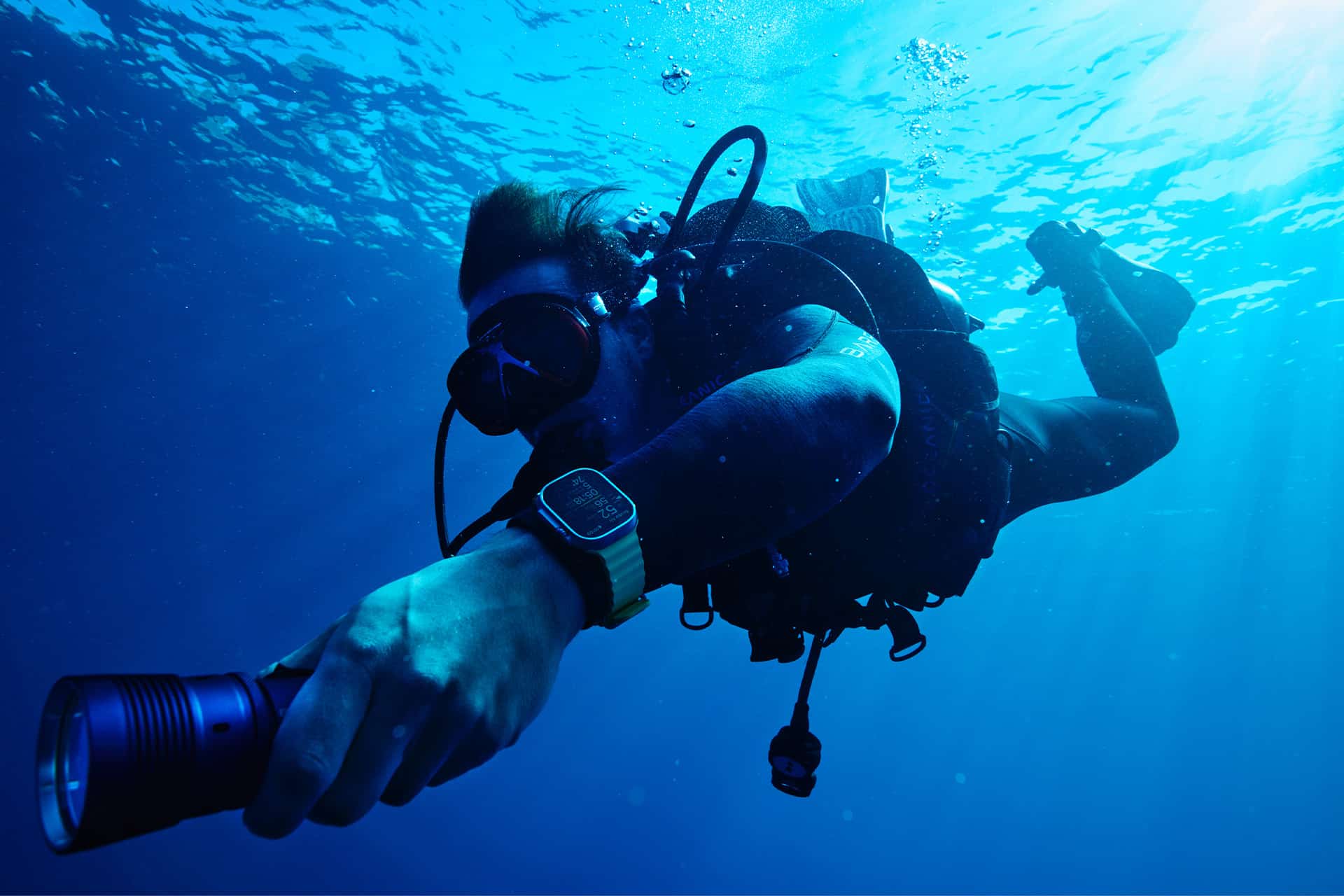
The iPhone’s role as a travel camera makes the patent more practical than it may first appear. Many owners already take their phones near water, even if they avoid full submersion. Better optical performance in wet environments could help with photos taken just below the surface, half-in and half-out compositions, action around pools, shallow snorkeling, kayaking, or rainy outdoor scenes. The same engineering could also support more stable results when droplets sit near the camera lens.
Accessory makers would also be affected if Apple moves in this direction. Waterproof housings and lens attachments are useful because the iPhone is not built as a dedicated underwater camera. A future iPhone with stronger built-in underwater imaging could reduce the need for large cases in casual use, while still leaving room for professional housings designed for deeper water, longer sessions, added lights, grips, and physical controls.
The patent also raises a design question. Camera bumps have become larger as image sensors, lens systems, and stabilization hardware have improved. Adding an optical surface designed for underwater behavior could influence the shape, materials, or covering layer around the rear camera area. Apple would need to balance underwater performance with everyday photography, scratch resistance, repairability, thickness, and the clean exterior design expected from an iPhone.
There may be software implications for Photos as well. Underwater scenes could receive dedicated processing profiles, with automatic color correction, contrast recovery, subject detection, and metadata tagging. Apple already applies scene-aware processing to many types of images. A future underwater mode could give the camera pipeline more specific information about the environment, allowing it to avoid overcorrecting the blue or green tones that help a submerged photo look natural.
The safest reading is that Apple is exploring how to make aquatic photography less dependent on bulky accessories and less compromised by physics. The patent does not make a waterproof iPhone inevitable, but it does show attention to a real limitation in mobile photography. As camera upgrades become more specialized, underwater image quality could become another area where hardware, software, and environmental sensing work together inside the same device.