


After launching Vision Pro as a premium mixed-reality headset, Apple is reportedly moving toward a lighter wearable built around cameras, AI, real-world context, and Siri AI. The internal goal is easy to understand: take the technology lessons from Vision Pro, remove the headset weight and isolation, and turn spatial computing into something people can wear in daily life.
Apple’s next spatial device may not look like Vision Pro. It may look like ordinary glasses.
The working idea is often described as Apple smart glasses, but “Vision AR” captures the direction better. This would not simply be a smaller Vision Pro. It would be a wearable that uses cameras and sensors to understand the physical world, then lets Apple Intelligence help the user act on what is in front of them.
That is also where the hardest problem begins. Glasses with cameras are not only a display product. They are an imagery product. They see what the user sees. They may capture streets, homes, children, documents, screens, faces, license plates, offices, classrooms, stores, and private routines. For Apple, the technology may be close enough to test seriously, but the privacy model has to be convincing before the product can feel ready.
Vision Pro Was the First Step
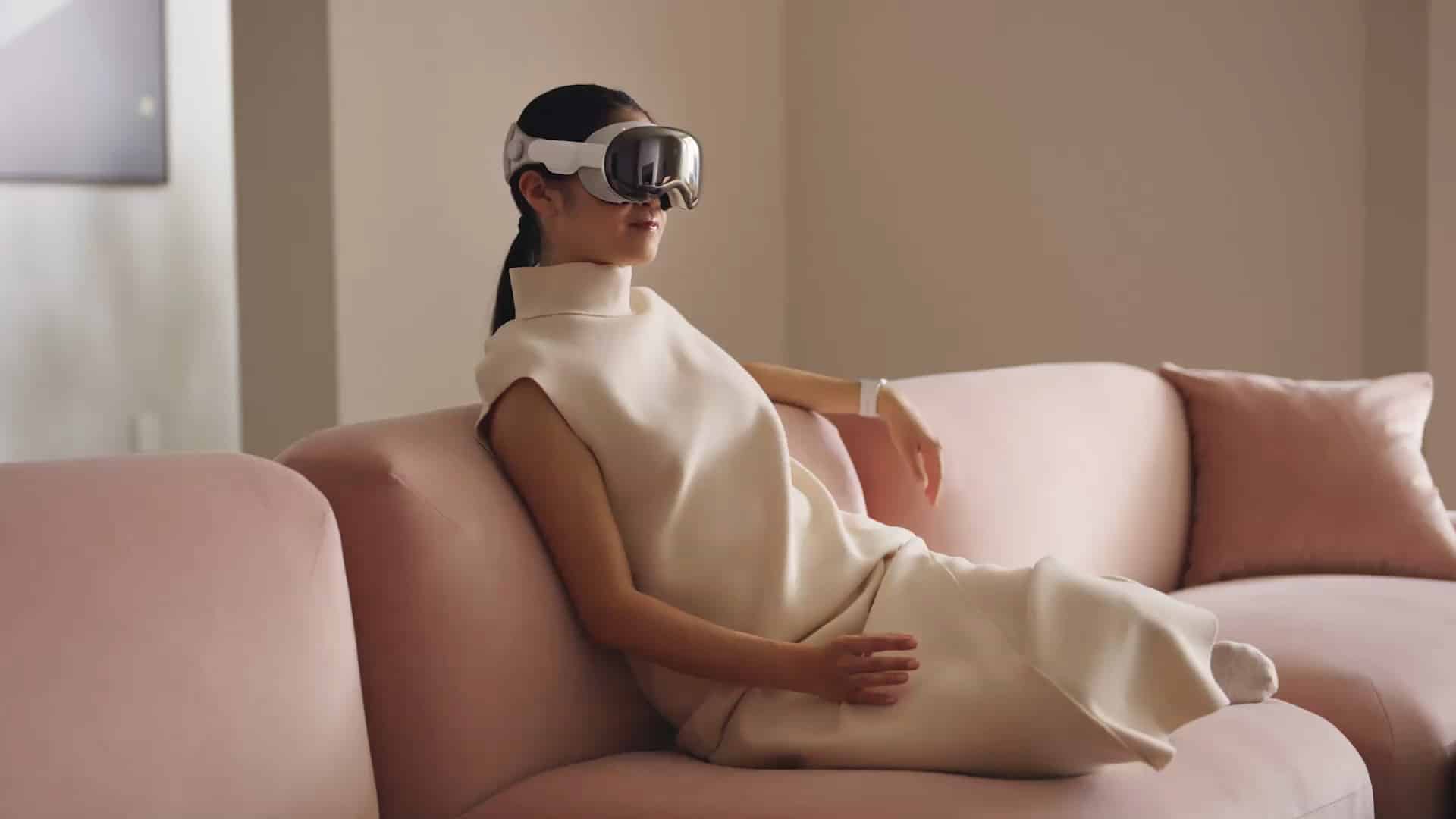
Vision Pro gave Apple a controlled way to enter spatial computing. It uses cameras, sensors, eye tracking, hand tracking, high-resolution displays, spatial audio, and visionOS to blend apps with the user’s physical space. It is technically ambitious, visually impressive, and expensive.
It is also not glasses.
Vision Pro is a headset. It covers the eyes, depends on passthrough video, has an external battery, and is meant for shorter, more deliberate sessions. It works well for immersive video, spatial photos, 3D environments, multitasking, entertainment, and specialized work, but it is not something most people will wear throughout the day.
Vision AR would be a different category. The product would need to be lighter, faster to use, socially acceptable, and useful in moments that last seconds instead of sessions that last an hour. That changes the design priorities. The display becomes smaller. The battery becomes harder. The camera system becomes more sensitive. The AI layer becomes more central.
Vision Pro proved Apple can build a spatial computer. Glasses would test whether Apple can make spatial computing feel normal.

AI Makes Glasses More Useful
Smart glasses without AI can feel limited. They may capture photos, record video, play audio, show notifications, or provide navigation prompts. Useful, but not enough to create a new computing platform.
AI changes the purpose. A camera-equipped wearable can identify objects, translate signs, summarize a document, remember where something was seen, describe a scene, scan a product, read a menu, help with directions, answer questions about a location, or trigger actions through apps.
That is where Apple Intelligence and Siri AI matter. A future Vision AR device could let the user ask about the world instead of only asking about information on a screen. “What am I looking at?” becomes a computing command. “Add this to my notes,” “translate this,” “remind me about this poster,” “find this product,” or “send these details” becomes possible without pulling out an iPhone.
This fits Apple’s larger WWDC26 direction. Siri AI is becoming more contextual. Visual Intelligence is moving into more parts of iPhone. App Intents lets apps expose actions to the system. Foundation Models give developers a native AI layer. Vision AR would bring those ideas into the user’s field of view.
The glasses would not need to replace iPhone at first. They would make iPhone intelligence ambient.
The Camera Is the Feature and the Problem
For Vision AR, the camera is both the selling point and the bottleneck.
A wearable AI device needs visual input to understand the real world. Without cameras, the assistant loses the context that makes glasses valuable. With cameras, Apple faces the same privacy concerns that have challenged every smart-glasses product.
People behave differently around cameras. A phone camera is visible and usually intentional. Someone lifts the phone, points it, and captures something. Glasses are different. A camera can face outward all the time. Others may not know whether recording is happening, whether AI is analyzing the scene, or whether imagery is being stored.
That creates social friction. Restaurants, schools, workplaces, gyms, medical offices, homes, concerts, and public spaces all raise different concerns. A product that feels useful to the wearer can feel invasive to people nearby.
Apple cannot solve this with a simple permission screen because bystanders cannot tap “Allow.” The privacy design has to work physically, visually, and socially.
Apple Will Need Visible Privacy Signals
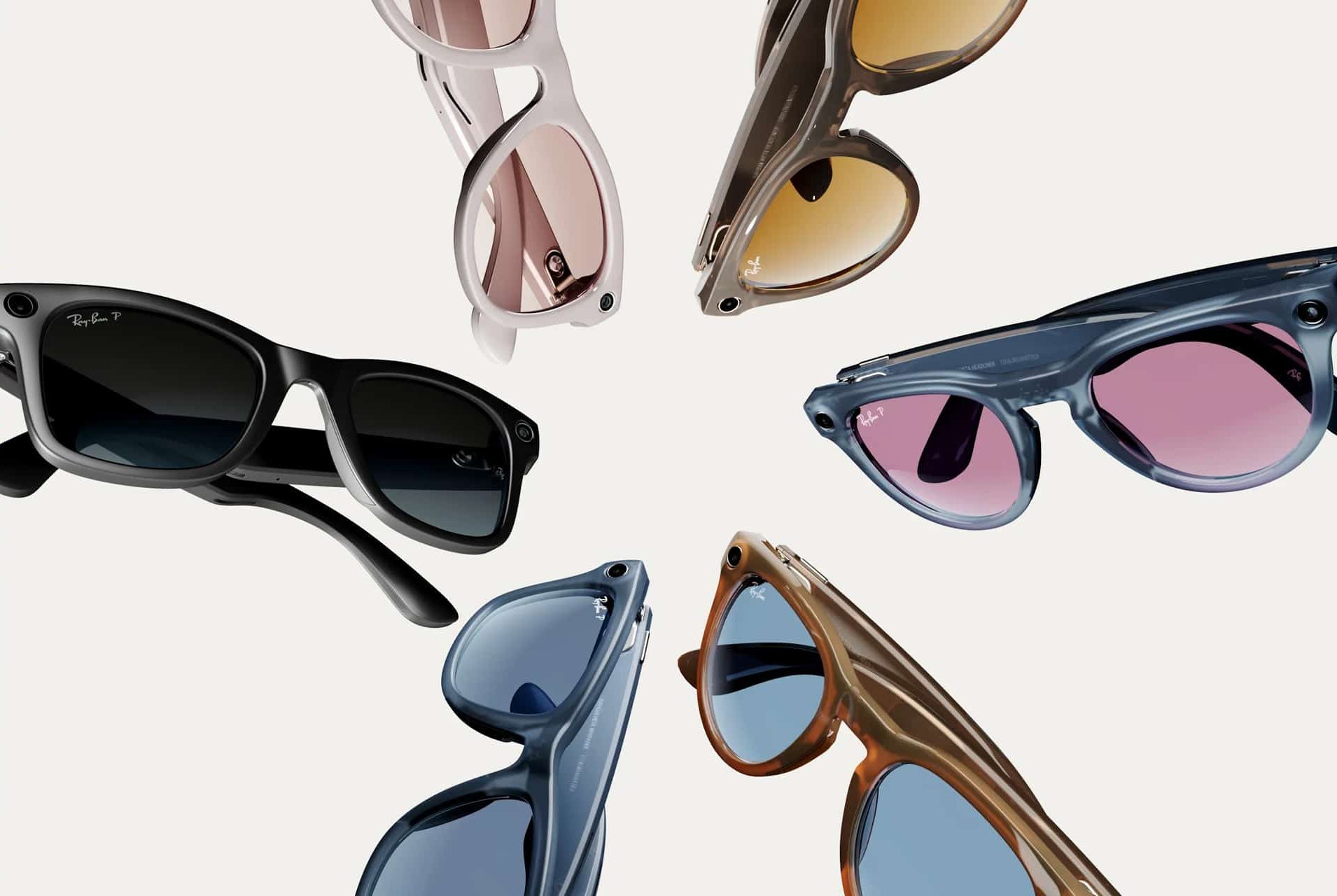
One likely requirement for Vision AR is a strong external recording indicator. Snap’s new Specs use visible lights to signal camera activity. Meta’s Ray-Ban smart glasses also include capture indicators. Apple would almost certainly need its own version, but the company may go further.
A tiny light may not be enough. People need to understand whether the glasses are recording, analyzing, or simply idle. Apple could use dedicated hardware indicators, sound cues, strict app permissions, on-device processing, limited retention, and clear controls for when visual data is saved.
Apple also has Vision Pro experience to build on. Its Vision Pro privacy overview explains how the headset uses camera and sensor data to map surroundings while keeping sensitive information processed on device where possible. Glasses would need an even stronger version of that promise because they are more portable and more likely to be worn around other people.
The challenge is perception. Apple can build strong privacy systems, but users and bystanders have to believe them. The product cannot feel like a hidden camera with AI attached.
On-Device Processing Becomes Essential
Apple’s best privacy argument for Vision AR would be on-device processing.
If the glasses can understand much of the world locally, fewer images need to leave the device. That aligns with Apple’s broader AI strategy: process on device when possible, use Private Cloud Compute when needed, and keep personal data away from broad cloud collection.
For glasses, that may be difficult. Small wearable hardware has limited battery, heat capacity, memory, and processing power. Advanced visual AI can be demanding. Apple may need the glasses to work with iPhone as a paired compute device, especially in early versions.
That would make sense. The glasses could capture visual context, while iPhone handles heavier AI tasks securely. Over time, Apple silicon for wearables could take on more of the work.
The privacy rule should be simple: the glasses should not send raw imagery anywhere unless the user clearly chooses an action that requires it. Even then, Apple will need transparent routing, visible status, and strong app restrictions.
Competition Is Moving Faster
Apple is not alone. Meta has already built momentum with Ray-Ban smart glasses, combining cameras, audio, voice interaction, and Meta AI. Snap is pushing into full AR glasses with its latest Specs. Google is rebuilding its smart-glasses strategy around Gemini and Android XR. Samsung is preparing XR hardware with Google and Qualcomm.
The market is moving from headset demos to wearable AI. That puts pressure on Apple. Vision Pro is premium and powerful, but the daily-use category may form around glasses. If Apple waits too long, Meta and others could define the social norms around AI eyewear before Apple enters.
Apple’s advantage is trust, hardware integration, and ecosystem depth. iPhone, AirPods, Apple Watch, Siri AI, Apple Intelligence, Maps, Photos, Messages, Calendar, Notes, Wallet, and App Intents could make Vision AR more useful than a standalone pair of glasses.
The risk is timing. Apple wants privacy and polish. The market may reward speed.

Vision AR Would Need a Reason to Exist
Apple cannot ship glasses only because AI glasses are fashionable. Vision AR needs daily uses that feel natural.
Navigation could be one. Walking directions, transit prompts, airport guidance, parking location, trail directions, and store navigation all fit a glanceable display.
Visual Intelligence could be another. The glasses could identify products, plants, landmarks, documents, signs, ingredients, objects, or text in another language.
Memory could be powerful if handled carefully. A user could ask where they last saw an item, which shelf held a product, or what was written on a sign. This would require strict privacy controls because memory is where useful AI can become uncomfortable.
Accessibility could become one of the strongest cases. Glasses could describe surroundings, read text, detect obstacles, identify objects, or assist with hearing and visual context when paired with AirPods and iPhone.
Communication would also matter. Messages, calls, live captions, translation, and quick Siri actions could make the device feel useful without needing a large display.
The product succeeds only if those actions are faster than pulling out an iPhone.
The Social Design Is as Important as the Chip
Apple’s labs may be able to build the hardware, but Vision AR’s social design may decide the product.
The glasses have to look acceptable. The camera has to be visible enough to feel honest without making the design ugly. The display must help without distracting. Siri AI has to respond quietly. Battery life has to survive real use. Privacy indicators have to be understandable. The product has to work in public without making everyone around the user uncomfortable.
That is a harder design challenge than Vision Pro. A headset clearly signals that the wearer is using technology. Glasses blur that boundary. They sit on the face during ordinary interaction. They enter social spaces differently.
Apple has a history of making technology socially acceptable after others struggled with early versions. Apple Watch turned wearables into a mainstream category. AirPods made wireless earbuds normal. Vision AR would need a similar shift for camera-based AI glasses.
Privacy could either unlock that shift or stop it.
The Name May Not Be Vision AR
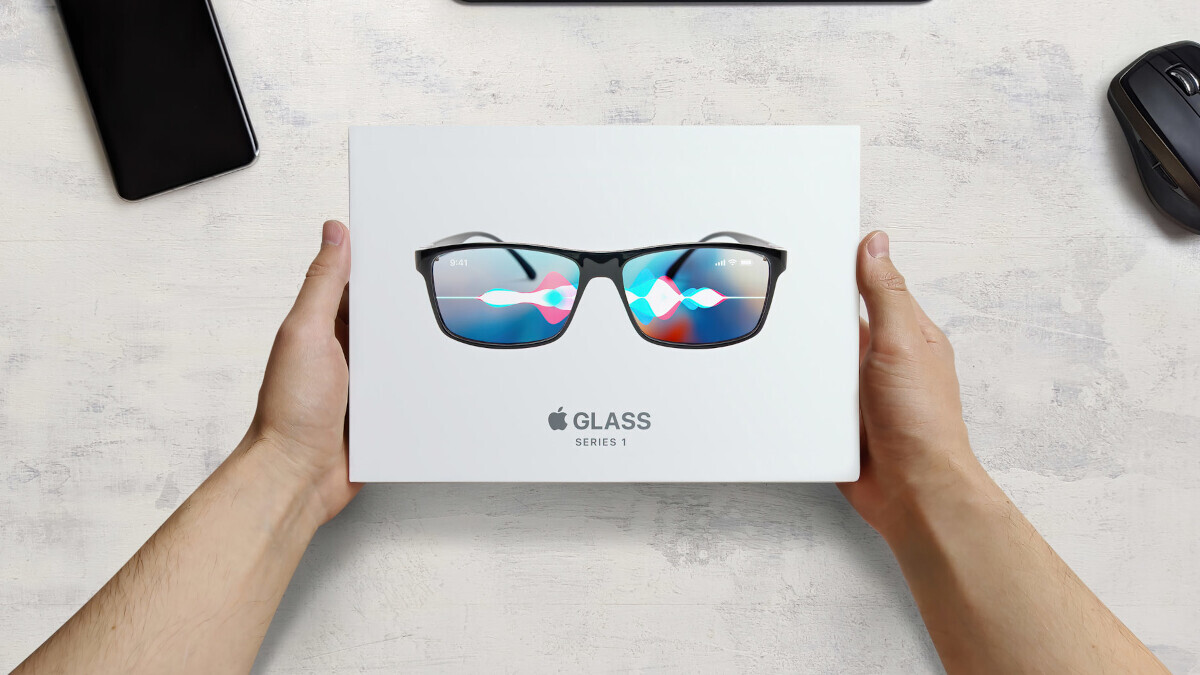
Apple may not use the name Vision AR. The company could choose Apple Glass, Apple Vision, Vision Air, or another label entirely. “Vision AR” works as a description because it separates the rumored glasses from Vision Pro while keeping them inside the same spatial computing family.
The naming question matters less than the product role. Apple needs a device that takes Vision beyond immersive sessions and moves it into daily context. The first version may not have full AR displays. It may start with cameras, audio, AI, and limited visual output. Apple could then move toward richer displays as components improve.
That path would match the broader industry. True lightweight AR glasses remain difficult because displays, optics, battery, heat, cameras, and compute all compete for space. A camera-and-AI wearable may arrive before full visual AR becomes practical at Apple scale.

The Road From Vision Pro to Vision AR
Vision Pro was Apple’s spatial computing debut. Vision AR would be the attempt to make spatial computing wearable.
The connection between the two is not only hardware. Vision Pro gave Apple years of work in eye tracking, hand tracking, passthrough, spatial mapping, privacy, visionOS, 3D interfaces, and developer tools. Glasses could use a smaller version of that foundation, paired with Apple Intelligence and iPhone.
The difference is ambition. Vision Pro brings apps into space. Vision AR would bring intelligence into the world.
That is why privacy is the main bottleneck. The technology can be built. The harder question is whether Apple can make people comfortable with AI cameras on faces in everyday spaces.
If Apple solves that, Vision AR could become the most natural extension of Apple Intelligence: a device that sees enough to help, reveals enough to be trusted, and stays private enough to belong in public life.