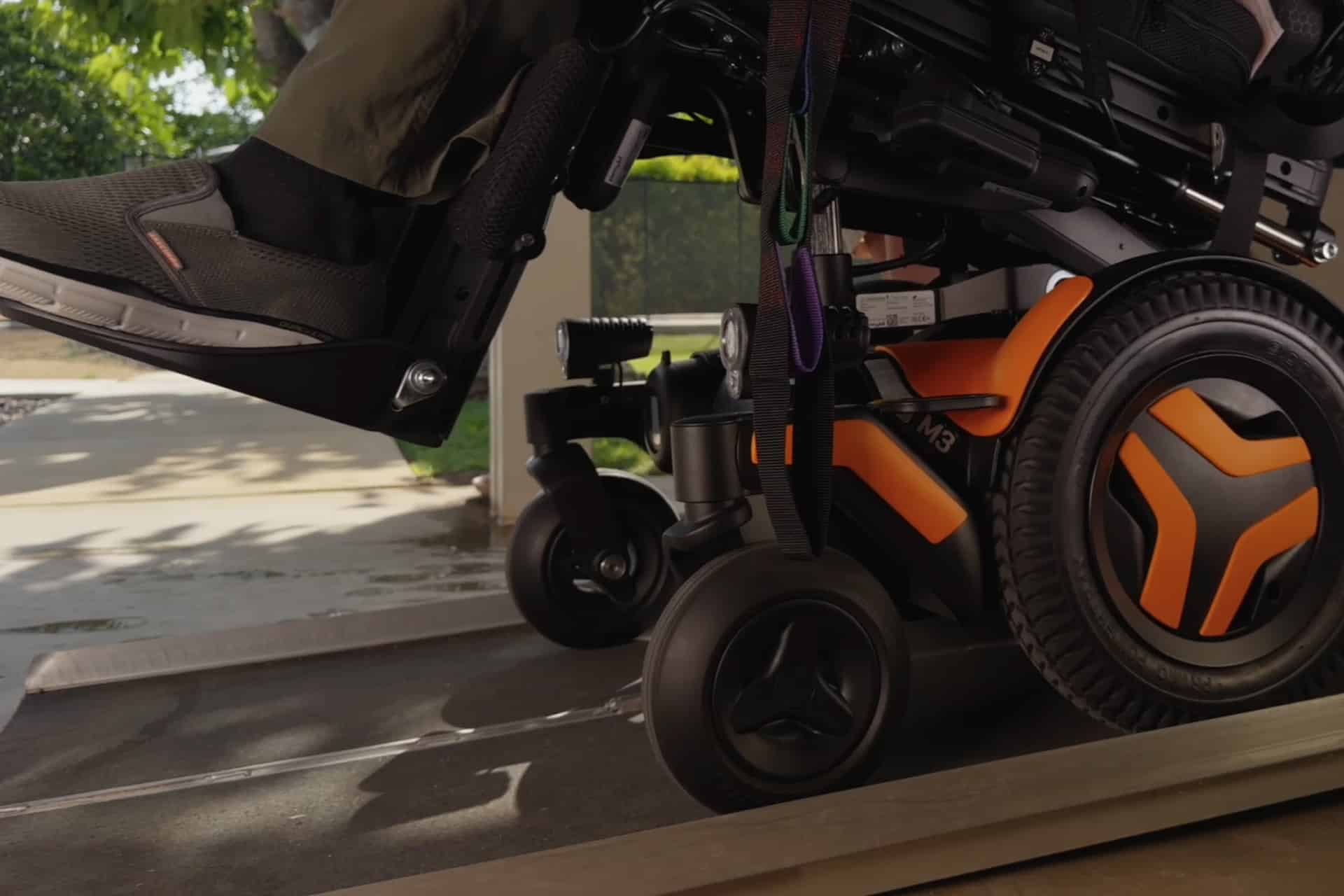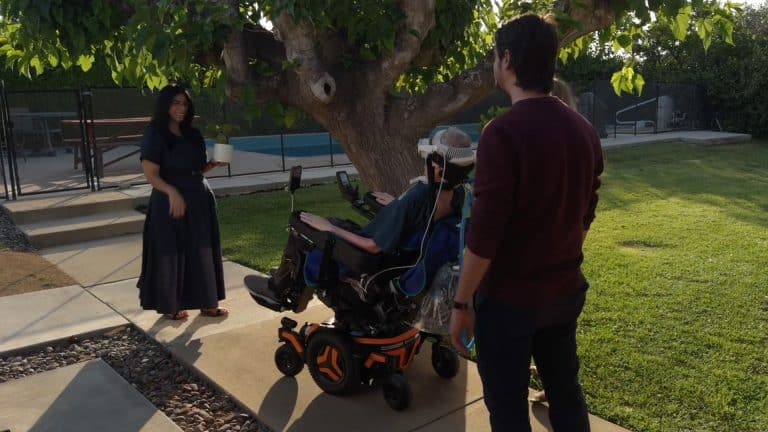
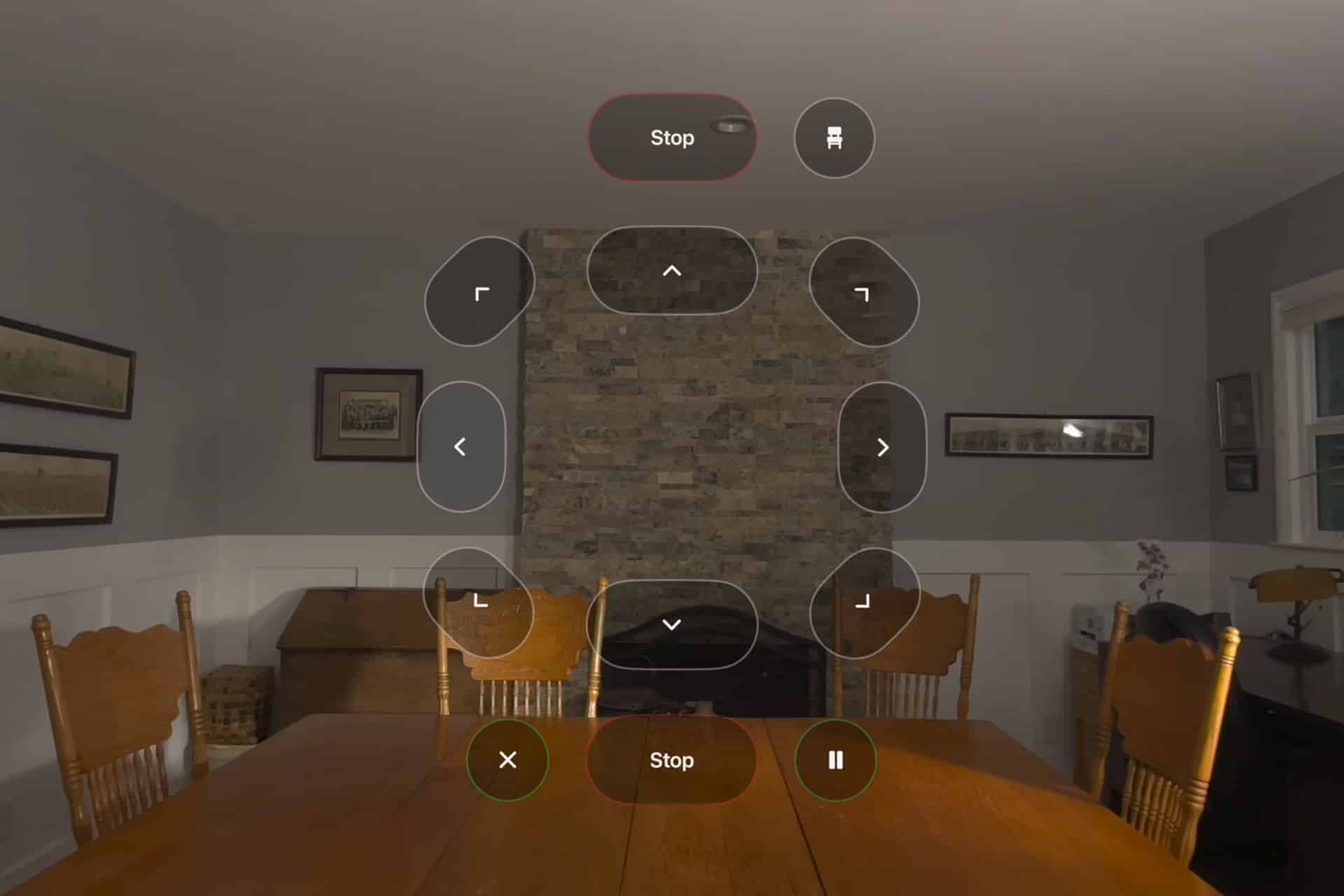
Apple Vision Pro is moving into one of Apple’s most ambitious accessibility areas yet: mobility control. As part of its latest accessibility announcements, Apple previewed a new feature that will let users control compatible power wheelchairs using Apple Vision Pro’s eye-tracking system, beginning in the U.S. with Tolt and LUCI alternative drive systems.
The feature is designed for controlled environments and compatible wheelchair systems, with accessory support through Bluetooth and wired connections. A wired connection requires the Apple Vision Pro Developer Strap. Apple says it is working with developers to expand support to more wheelchair drive systems, which means the first version will be limited, specialized, and dependent on compatible mobility hardware.
That limited rollout does not make the feature small. It makes it serious. Wheelchair control is a high-stakes assistive technology category, where reliability, safety, calibration, and environmental conditions matter more than convenience. Apple is not turning Vision Pro into a general-purpose mobility controller for every user or every chair. It is opening a path for eye tracking to become a direct input method for compatible power wheelchair systems, giving some users another way to move when traditional joystick control is difficult or impossible.
The announcement also shows how Apple is expanding the meaning of Vision Pro accessibility. The device already uses eye tracking as a core interface method. With wheelchair control, that same technology reaches beyond apps, windows, and spatial navigation into physical mobility. The headset becomes not only a screen worn on the face, but a control surface for users whose eyes may be their most precise and reliable input method.

Eye Tracking Moves Beyond Interface Control
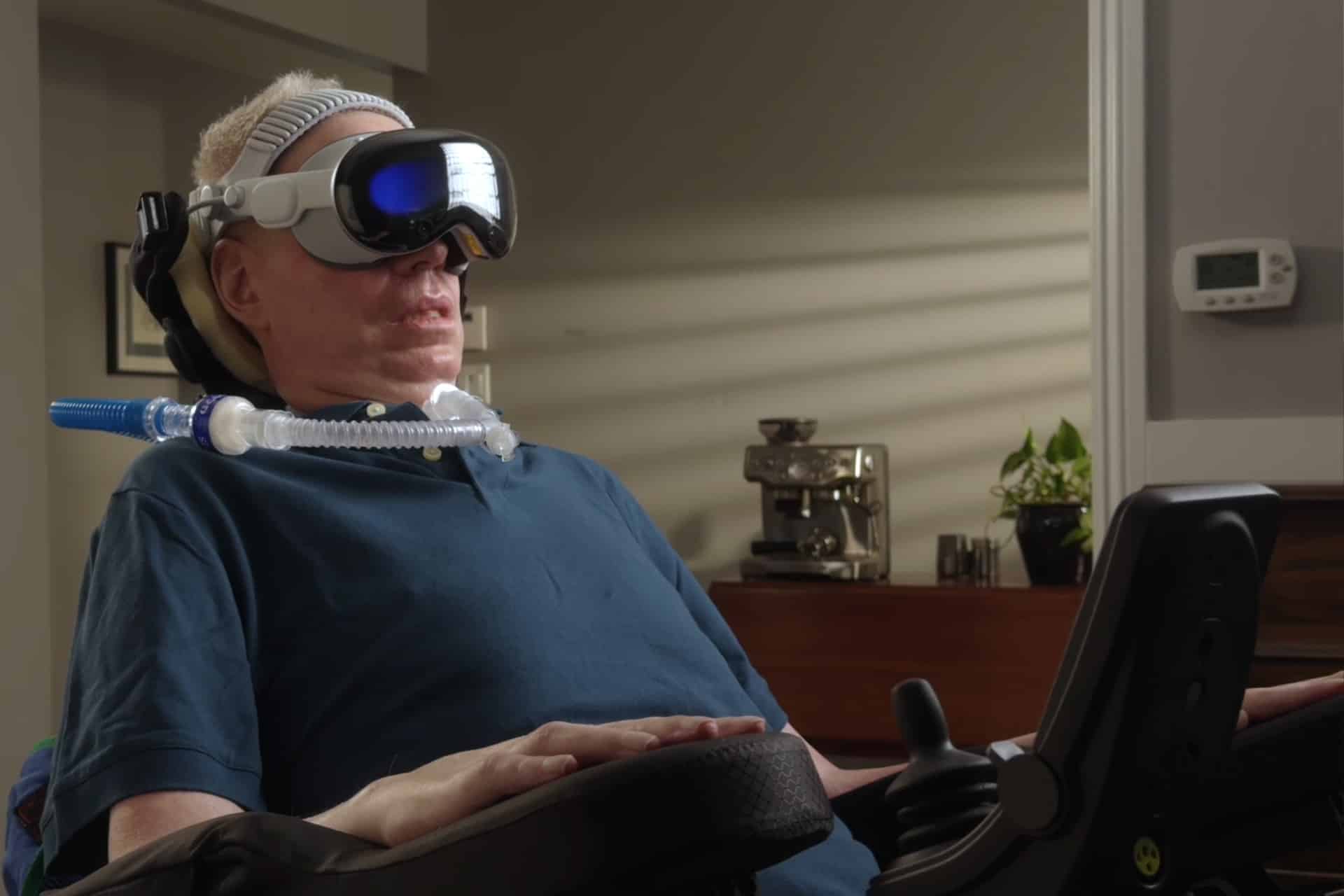
Apple Vision Pro’s interface was built around eyes, hands, and voice. Users look at an item, tap fingers to select, and speak when voice input is useful. For most users, that interaction is a new way to control digital content. For people with certain physical disabilities, the eye-tracking system can become something more important: a path to control when hand movement is limited.
Apple has already brought Eye Tracking to iPhone and iPad, allowing users to navigate with their eyes and use Dwell Control to select items by holding gaze steady. Vision Pro extends that concept into a spatial device with eye tracking at the center of the system. Wheelchair control takes the next step by connecting that input to compatible external mobility hardware.
The logic is direct. Many power wheelchairs are driven by joysticks or alternative drive systems, including switches, head arrays, sip-and-puff controls, or other adaptive inputs. Eye tracking adds another possible access method for users who cannot comfortably use hand controls or other physical inputs. For some users, controlling a chair with gaze could reduce dependence on caregivers for certain movements inside supported spaces.
Apple is being careful with the scope. The feature is intended for controlled environments, not unpredictable outdoor navigation or complex public spaces. That distinction is essential because driving a power wheelchair involves safety, obstacles, slopes, people nearby, flooring changes, doorways, and reaction time. Eye control may be powerful, but it must be implemented inside systems designed for mobility safety.
The Scale of Need Is Large
Apple’s new wheelchair-control feature arrives in a world where disability and mobility access affect hundreds of millions of people. The World Health Organization estimates that 1.3 billion people experience significant disability, equal to about 16% of the world’s population, or 1 in 6 people. In the U.S., the CDC says up to 1 in 4 adults has a disability, with mobility among the most common categories. The CDC’s latest disability infographic lists mobility disability at 12.2% of U.S. adults.
Not every person with a disability uses a wheelchair. Not every wheelchair user uses a power chair. Not every power wheelchair user will be a candidate for eye-based control through Vision Pro. The number of people directly served by the first version will be much smaller than the global disability population. Still, those broader numbers explain why assistive technology deserves mainstream engineering attention.
Mobility disability is not a niche edge case. It is part of daily life for millions of families, students, workers, caregivers, veterans, older adults, and people living with neurological, spinal, muscular, genetic, or injury-related conditions. Even a feature that begins with a small compatible-hardware base can influence how assistive devices are designed over time.
The CDC also reports that mobility disability is one of the most common disability types among U.S. adults, and WHO data shows that persons with disabilities face major inequities in health, access, and daily participation. A technology feature cannot solve those structural barriers alone, but it can remove specific friction points when designed with safety and user control at the center.
Why Vision Pro Is Different From a Standard Controller
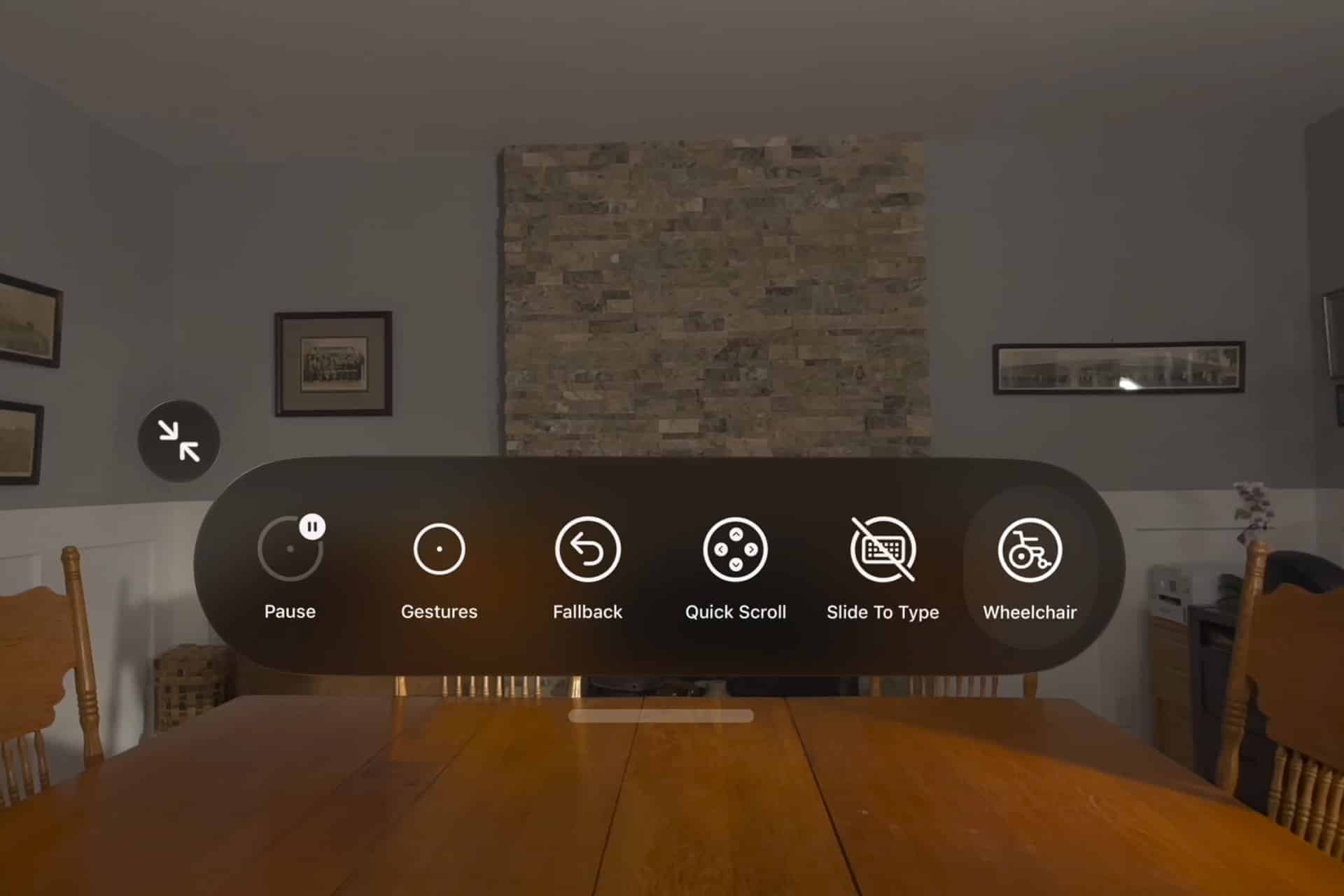
Vision Pro wheelchair control is notable because eye tracking is already a primary system input inside the headset. Many assistive systems require specialized hardware, separate calibration tools, or dedicated control devices. Vision Pro already tracks gaze for interface selection, which gives Apple a foundation to build from.
That does not mean the headset automatically becomes a better controller than existing assistive systems. Traditional alternative drive systems are built specifically for wheelchair use, often with years of clinical adaptation, occupational therapy support, and user-specific calibration. Vision Pro’s role will depend on how well it integrates with Tolt, LUCI, and future supported systems.
The advantage is flexibility. A user who already benefits from eye tracking in Vision Pro may be able to use a similar input method for mobility inside supported conditions. The headset can provide visual feedback, interface controls, and calibration through visionOS. It may also support future software refinements more easily than some dedicated hardware controllers.
The challenge is comfort, battery life, safety certification, training, cost, and real-world reliability. Vision Pro is still an expensive device. Power wheelchairs and alternative drive systems are already costly. Adding a headset-based control layer will likely serve a specialized group first, not the entire wheelchair community. Apple’s future impact will depend on partnerships, insurance pathways, clinical support, and compatibility expansion.
Controlled Environments Are the Right Starting Point
Apple’s controlled-environment framing is important because mobility control requires caution. Indoors, a user may have more predictable conditions: flat floors, known rooms, familiar furniture, caregivers nearby, and fewer unexpected hazards. Outdoor environments introduce more risk, including curbs, traffic, uneven sidewalks, weather, crowds, slopes, and changing light.
Starting with controlled environments gives Apple, users, developers, clinicians, and mobility partners a safer place to evaluate the technology. It also fits the way assistive technology often develops. A feature begins in defined settings, proves reliability, and expands only when the safety case supports it.
The partnership with Tolt and LUCI also matters. LUCI is known for smart wheelchair technology focused on collision avoidance, safety, and connected features. Tolt works in the alternative drive system space. Those partners suggest Apple is not trying to replace wheelchair engineering with a headset alone. It is connecting Vision Pro’s eye tracking to systems already designed around mobility access.
That is the correct approach. Eye tracking provides intent. The wheelchair system must still handle safe interpretation, drive behavior, obstacle awareness, and hardware-level control.
Accessibility as Platform Strategy
Apple’s wheelchair-control announcement also fits a broader accessibility strategy. In the same accessibility preview, Apple announced Apple Intelligence-powered updates for VoiceOver, Magnifier, Voice Control, Accessibility Reader, generated subtitles, Made for iPhone hearing aids, Larger Text on Apple TV, FaceTime sign-language interpretation support for developers, Sony Access controller support, and adaptive iPhone accessories.
Together, those updates show accessibility becoming more deeply embedded across Apple platforms, not limited to one device or feature. Apple Intelligence adds descriptions, summaries, natural-language control, and generated subtitles. Vision Pro adds spatial and eye-based access. iPhone and iPad bring Eye Tracking to mobile navigation. Apple TV improves readability from the couch. Hearing aids move more smoothly across devices.
Wheelchair control is the most physically consequential feature in the group because it connects Apple software to mobility hardware. That makes it different from a reading or interface feature. It crosses from digital accessibility into physical movement. Apple will need to keep that distinction clear as the feature develops.
The strongest version of this strategy is not about making every Apple device into a medical device. It is about giving assistive technology developers better system-level tools, input methods, APIs, and hardware integration points. Vision Pro’s eye tracking becomes more valuable when developers can connect it safely to specialized systems.
A Feature With Symbolic and Practical Weight
Vision Pro wheelchair control carries both symbolic and practical weight. Symbolically, it shows Apple treating accessibility as a frontier for advanced computing, not as an afterthought. Eye tracking, spatial computing, Apple Intelligence, and external device control are being applied to mobility support in a way that few mainstream technology companies can show at this scale.
Practically, the first version will help a narrower group: users with compatible power wheelchairs, supported alternative drive systems, access to Vision Pro, and appropriate controlled environments. That is not a flaw. Assistive technology often begins with specific use cases because disabilities, bodies, equipment, and environments vary widely.
The important part is that Apple is opening a path. If Vision Pro can become an approved, reliable eye-based input layer for more wheelchair systems, the long-term implications could be meaningful. Future versions could improve calibration, reduce fatigue, support more drive systems, integrate better safety feedback, and become easier to set up with therapists or mobility specialists.
For now, the announcement should be read with both optimism and precision. It is not a universal wheelchair solution. It is a new assistive control option for compatible systems, beginning in the U.S., designed for controlled environments, and built around Vision Pro’s eye-tracking technology.
That is still a major step. For users who cannot depend on traditional hand controls, another safe input method can change what independence looks like in daily spaces. Apple’s accessibility work is strongest when it turns advanced technology into a practical option for someone’s specific need. Wheelchair control with eyes is one of the clearest examples yet.