The visionOS 26 Beta signals a meaningful shift in how Apple wants developers to think about spatial apps. Beyond incremental UI refinements, the latest documentation points to structural changes in app behavior, system awareness, and distribution models.
Two additions stand out in particular: the Significant Change API and the Mini Apps Partner Program. Together, they suggest that visionOS is moving toward a more dynamic, context-aware, and modular app ecosystem.

Understanding the Significant Change API
The Significant Change API is designed to help apps respond intelligently to major system-level events without constantly running or polling for updates.
In spatial computing, changes matter more than states. A user moving between environments, switching focus from work to entertainment, or changing physical context can dramatically affect how an app should behave.
The Significant Change API allows developers to register for high-level events such as:
- Environment transitions
- Session-level state changes
- System context shifts that affect spatial layout or interaction
- App relevance changes driven by user activity
Instead of reacting to every minor signal, apps can now respond only when something meaningful happens. This reduces overhead, improves performance, and makes spatial experiences feel more intentional.
Vision Pro Apps
On Vision Pro, unnecessary background processing breaks immersion. The Significant Change API helps apps stay quiet when they should, and responsive when they must be.
For developers, this means:
- Better battery and thermal behavior
- Cleaner app lifecycle management
- More predictable spatial layouts
- Reduced cognitive noise for users
It reflects Apple’s philosophy that spatial apps should adapt subtly, not constantly demand attention.


The Mini Apps Partner Program Explained
The Mini Apps Partner Program is another notable addition found in the visionOS 26 documentation. While Apple has not fully detailed the public rollout, the language points to a curated ecosystem of lightweight, focused spatial experiences.
Mini apps appear designed to:
- Launch instantly
- Serve a single, clear purpose
- Integrate deeply with system surfaces
- Coexist with larger, full-featured apps
Rather than replacing traditional apps, mini apps complement them. Think of them as spatial utilities or contextual tools that surface exactly when needed.
A New Distribution and Discovery Model
The presence of a Partner Program suggests that Apple is taking a deliberate approach. Instead of opening mini apps broadly on day one, Apple appears to be working closely with selected developers to refine quality, performance, and interaction patterns.
This controlled rollout mirrors earlier platform transitions, where Apple prioritized consistency and user experience before scale.
For developers, inclusion likely means:
- Early access to new frameworks
- Closer collaboration with Apple
- Clearer design guidance for spatial UX
It also hints at new discovery surfaces beyond the traditional App Store model.
visionOS Direction
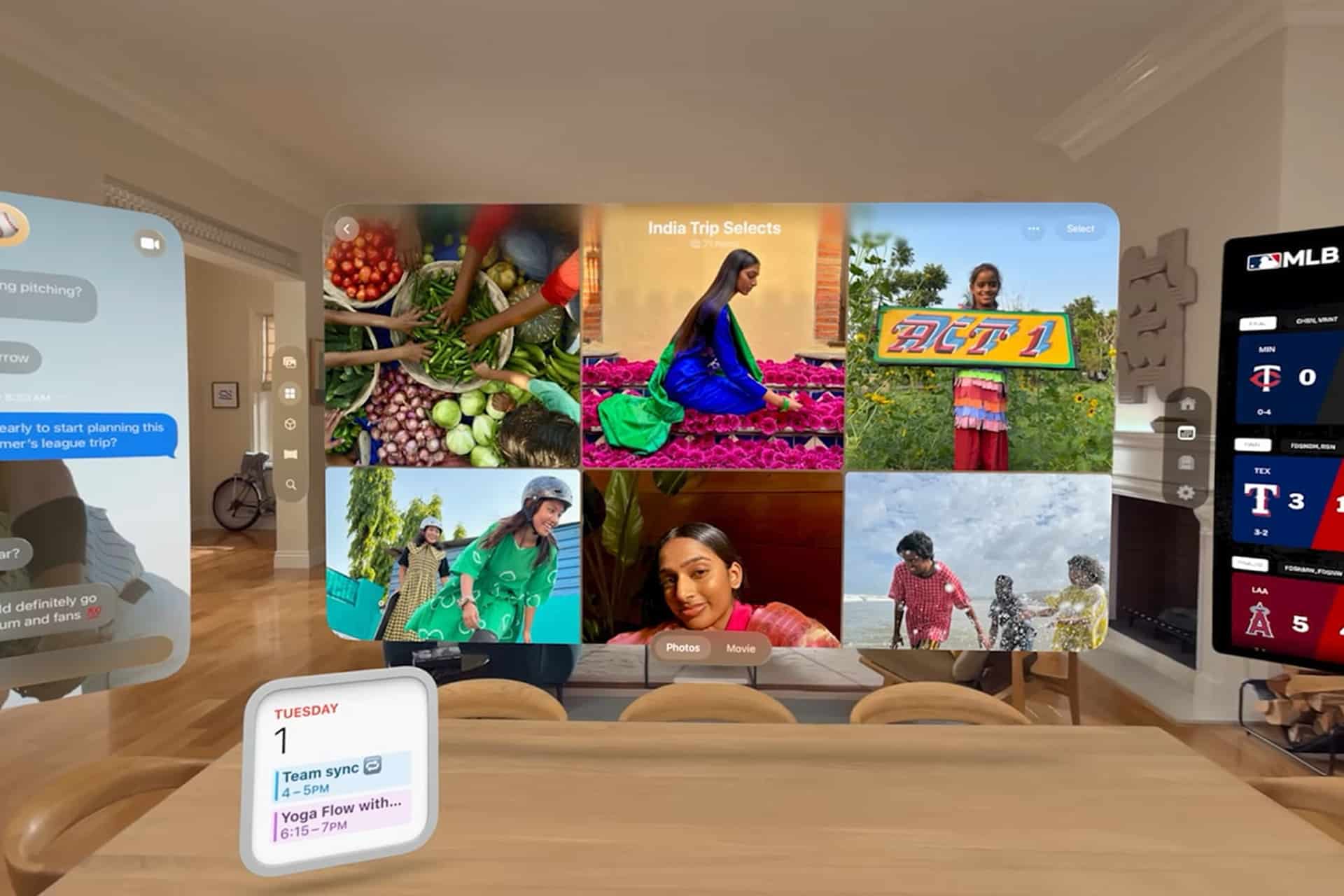
Taken together, these additions point to visionOS evolving from an app-centric platform to an experience-centric one.
Apps are no longer just launched and closed. They appear, adapt, and fade based on relevance. System awareness becomes as important as feature depth.
The visionOS 26 Beta suggests Apple is laying the groundwork for:
- More ambient computing
- Context-aware spatial interfaces
- Lightweight experiences alongside full apps
- A quieter, more intentional ecosystem
This aligns with Apple’s long-term view of spatial computing as something that blends into daily life rather than competing for attention.
The fact that developers are actively searching for these APIs indicates that visionOS is reaching a new phase. Early experimentation is giving way to real product planning.
Understanding these frameworks early allows teams to rethink app architecture, interaction models, and even business strategies around Vision Pro.
visionOS 26 Beta may still be early, but the direction is clear. Apple is refining the foundation of spatial computing, and the tools appearing now will shape what Vision Pro apps look like for years to come.