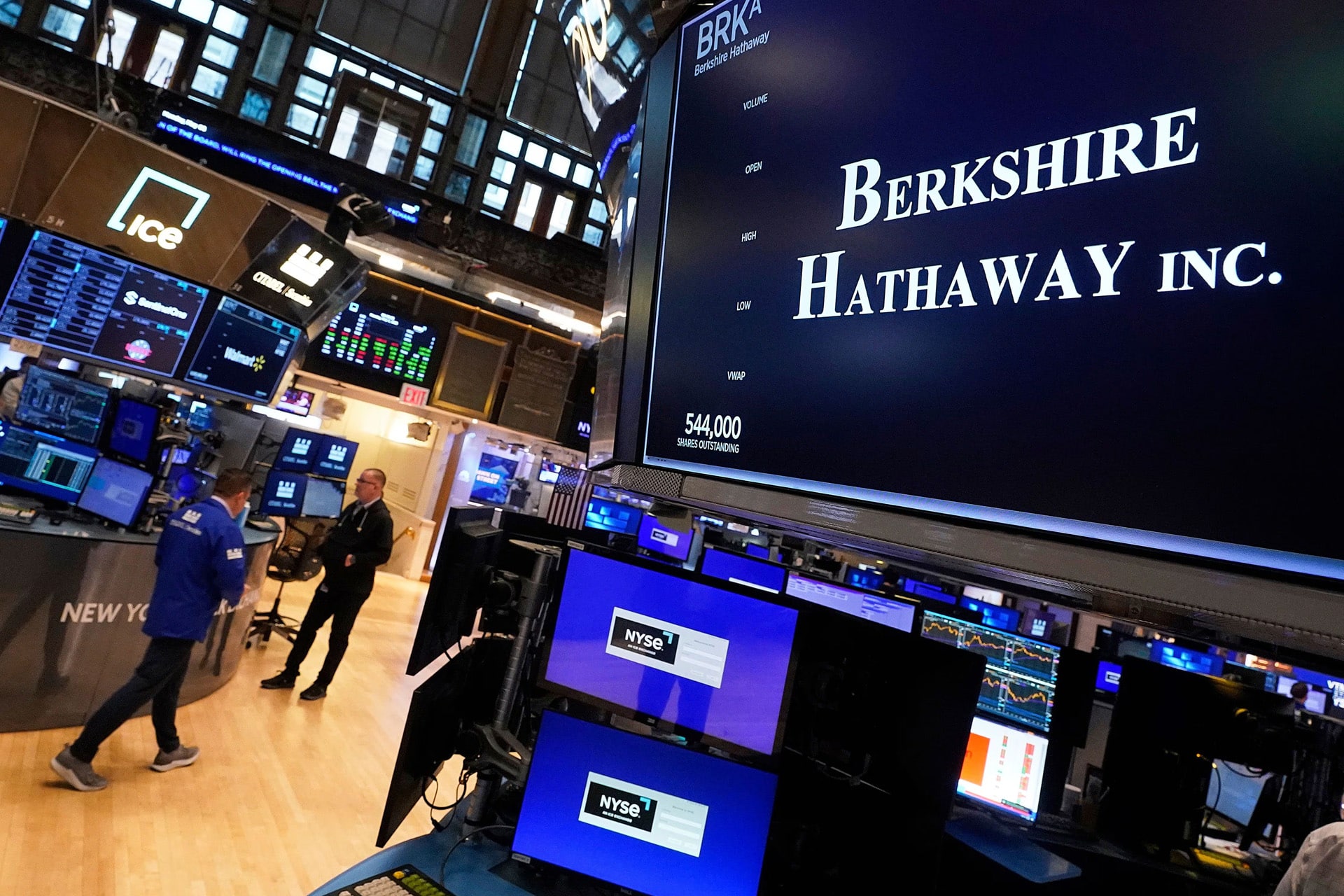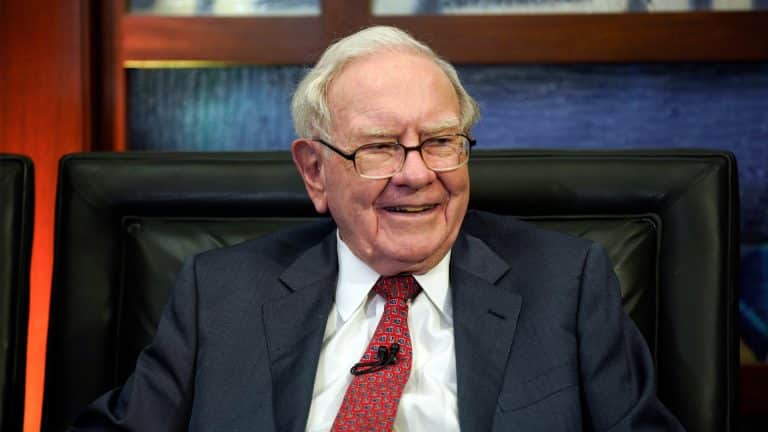
Warren Buffett Apple stocks comments surfaced during an interview on CNBC’s “Squawk Box,” where Buffett acknowledged that he trimmed Berkshire Hathaway’s Apple position too soon. Apple remains Berkshire’s largest holding, even after the conglomerate reduced its stake to approximately $61.96 billion last year.
The remarks come during a broader market correction. Apple shares have fallen more than 14% from their recent high and are down over 6% this month. At the same time, both the Dow Jones Industrial Average and the Nasdaq Composite have entered correction territory, reflecting wider volatility in equities.
Apple’s weight inside Berkshire Hathaway is not symbolic — it represents one of the most concentrated expressions of Buffett’s modern investment philosophy. Once cautious about technology companies, Buffett reframed Apple as a consumer franchise with durable economics, recurring engagement, and pricing power. That shift transformed Berkshire’s portfolio structure over the past decade, making Apple not just a holding, but a defining asset in capital allocation strategy.
The timing of Berkshire’s partial reduction matters because it occurred during elevated market valuations. When Apple shares climbed to record levels, trimming exposure aligned with Buffett’s long-standing principle of managing position size relative to price.
The recent pullback, however, reopens the valuation discussion. Even in correction territory, Buffett signals that patience remains central — price must fall to a level that materially expands long-term return expectations before Berkshire increases exposure again.
Apple’s Position Inside Berkshire Hathaway
Apple has been central to Berkshire Hathaway’s equity portfolio for years. The investment evolved into the conglomerate’s largest single holding, generating significant unrealized gains and ongoing dividend income. Even after trimming exposure, the scale of Berkshire’s Apple stake underscores continued conviction in the company’s long-term economics.
Buffett’s admission that he sold too soon reflects timing rather than a shift in outlook. He did not signal dissatisfaction with Apple’s operations or strategy. Instead, he emphasized that future purchases would depend on price.
“It’s not impossible that Apple would get to a price, we would buy a lot of it,” Buffett said. The statement reinforces his disciplined approach: valuation first, allocation second.


Valuation Discipline in a Correction
Apple’s 14% pullback places the stock within correction territory relative to recent highs. However, Buffett indicated that even after the decline, the stock is not yet attractive enough to prompt renewed large-scale buying.
For Berkshire Hathaway, capital deployment decisions are not driven by short-term market swings. Buffett has repeatedly stated that price relative to intrinsic value determines action. In volatile conditions, patience becomes a strategic asset.
The correction environment has pressured technology stocks broadly. Apple’s decline must be viewed within that macro backdrop rather than as a company-specific disruption.
Confidence in Leadership
During the same interview, Buffett praised Apple CEO Tim Cook, calling him a “fantastic manager.” He noted that Cook managed the company effectively after inheriting leadership from Steve Jobs and credited him with operational discipline and strong global relationships.
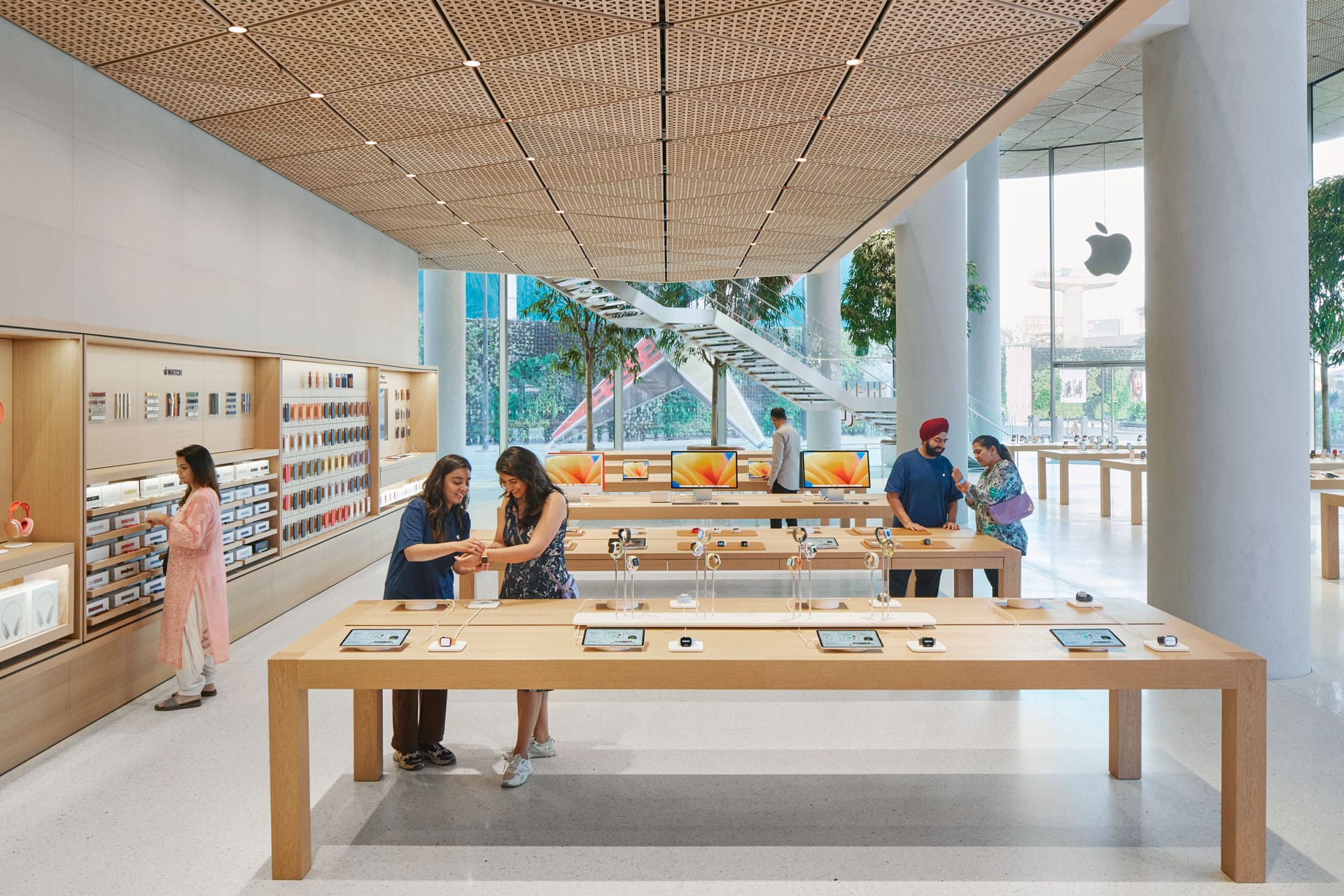
Buffett has long viewed Apple as more than a hardware manufacturer. He has described it as a consumer products company with extraordinary brand loyalty and ecosystem retention. Services growth, capital returns, and recurring customer upgrades have supported that view.
Apple’s continued position as Berkshire’s largest holding signals that strategic confidence remains intact despite partial divestment.
Leadership Transition at Berkshire
The comments also follow Buffett’s step down as Berkshire Hathaway’s CEO at the beginning of 2026, ending a tenure that spanned six decades. He remains chairman, but portfolio oversight is increasingly shared within Berkshire’s investment structure.
Apple’s prominence within the portfolio suggests continuity in strategic positioning even as leadership responsibilities evolve.
Institutional Context and Market Dynamics
Apple remains one of the most widely held stocks among institutional investors globally. Its liquidity, scale, and balance sheet strength make it a core allocation in many large portfolios.
Buffett’s statement that he would buy more Apple at the right price indicates ongoing interest rather than retreat. The decision threshold rests on valuation compression rather than market sentiment.
Warren Buffett Apple stocks commentary reflects a consistent pattern: long-term conviction paired with strict entry discipline. Even after acknowledging that he reduced the position too early, Buffett maintains that further accumulation depends entirely on price.