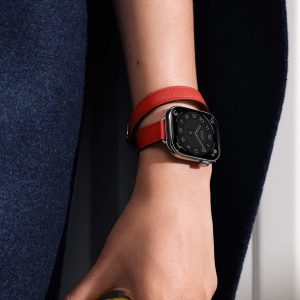
watchOS 27 is bringing one of the sharpest Apple Watch compatibility cuts in years, leaving several older models behind as Apple moves its smartwatch software toward newer hardware, AI features, and faster system performance.
Apple’s new Apple Watch software will not support Apple Watch Series 9, the first-generation Apple Watch Ultra, Apple Watch SE 2, or older models, according to early WWDC26 compatibility details.
The supported list now starts with:
- Apple Watch Series 10
- Apple Watch Series 11
- Apple Watch Ultra 2
- Apple Watch Ultra 3
- Apple Watch SE 3
The move is notable because watchOS 26 had supported a much wider range of watches, including Apple Watch Series 6 and later, Apple Watch SE 2 and later, and all Apple Watch Ultra models. With watchOS 27, Apple is cutting off four years of Apple Watch hardware in a single update, making this one of the most aggressive support changes the platform has seen.
watchOS 27 Compatibility Draws a Hard Line
The watchOS 27 compatibility list creates a clear split between Apple’s newest watches and a large group of still-capable models. Apple Watch Series 9 is the most surprising omission because it is not an old device by normal smartwatch standards. The same applies to the original Apple Watch Ultra, which launched as Apple’s most durable and premium watch line.
The change suggests Apple is setting a higher hardware baseline for the next phase of watchOS. Apple Watch updates are increasingly tied to on-device processing, health algorithms, sensors, display behavior, battery management, gestures, Smart Stack intelligence, and Siri features. As those systems become heavier, Apple appears to be narrowing support to watches it believes can deliver the experience it wants.
That does not make the cutoff painless. Many Apple Watch Series 9 and Ultra owners may have expected at least another major update. The Apple Watch has traditionally had a long support window compared with many wearables, and this year’s change will likely frustrate users who bought premium or recent models.
The timing also places more pressure on Apple to explain which watchOS 27 features require newer hardware and which cuts are driven by performance, chip capabilities, or long-term platform simplification.
Older Models Will Still Work
The compatibility change does not mean older Apple Watch models stop working. Apple Watch Series 9, Apple Watch Ultra, Apple Watch SE 2, Series 8, Series 7, Series 6, and other unsupported models will continue running their current software. They will still track workouts, receive notifications, handle Apple Pay, monitor health metrics supported by their hardware, show complications, run compatible apps, and pair with supported iPhones as long as Apple’s software and service requirements allow.
The difference is that those models will not receive the next major watchOS feature release. Over time, that creates a gap. New watch faces, Siri AI features, Apple Intelligence-related tools, fitness upgrades, design changes, app updates, developer APIs, and system improvements may begin to favor supported watches.
This is how Apple’s platform transitions usually happen. Devices rarely lose usefulness overnight. Instead, they slowly move out of the newest feature cycle. Apps may continue working for a while, but developers eventually shift attention toward the current operating system.
For users with affected models, the practical question is not whether the watch becomes obsolete today. It is whether the current feature set is still enough for daily use.
Apple Watch Series 9 Cut Will Draw Attention
Apple Watch Series 9 being left out is likely to become the most discussed part of the watchOS 27 compatibility story. The model introduced the S9 chip, on-device Siri for certain requests, a brighter display, Double Tap support, and newer system performance compared with earlier models.
Because of that, many users may wonder why Series 9 is excluded while newer watches remain supported. The answer may involve a mix of chip, memory, display, battery, sensor, and platform requirements that Apple has not fully detailed in public-facing terms. It may also reflect Apple’s desire to align watchOS 27 around a narrower group of models as it adds more AI-related features.
The original Apple Watch Ultra is another sensitive omission. Ultra buyers paid for a premium model built around endurance, outdoor features, and durability. A shorter-than-expected software path can make that investment feel less secure, especially when the hardware itself may still feel fast and capable.
This is where Apple’s messaging will matter. If the company can tie watchOS 27 features to specific hardware requirements, users may understand the decision more easily. If the cutoff feels arbitrary, it may create frustration among owners of recent watches.
AI Features Raise the Hardware Bar
WWDC26 placed Apple Intelligence and Siri AI across Apple platforms, and watchOS is part of that direction. The Apple Watch has a smaller battery, smaller processor envelope, smaller display, and tighter thermal limits than iPhone, iPad, or Mac. That makes AI integration harder on the wrist.
A richer Siri experience, smarter Smart Stack behavior, deeper health insights, more predictive workout tools, and context-aware suggestions can all increase system demands. Even when processing happens through a paired iPhone or cloud service, the watch still has to handle local sensors, interface updates, app state, audio, haptics, and real-time response.
Apple may be using watchOS 27 to set a higher foundation for those features. Newer Apple Watch models offer more capable chips, newer sensors, and better efficiency, making them easier targets for Apple’s next software layer.
The tradeoff is reach. A narrower compatibility list means fewer existing users get the full watchOS 27 experience. Apple gains a cleaner technical baseline, but older customers are left outside the update.
Developers Get a Smaller Testing Base
The compatibility cut also affects developers. A smaller supported device list can make watchOS testing simpler because developers have fewer hardware generations to support under the newest software. That can help apps take advantage of newer APIs, layouts, complications, Smart Stack features, Live Activities, health integrations, and system design updates.
At the same time, developers still have to consider older watches that remain active in the market. Millions of users will continue wearing unsupported models, especially because Apple Watch hardware often lasts longer than a typical upgrade cycle. Developers may need to decide how far back to support watchOS 26 and earlier while also building for watchOS 27.
This creates a two-track period. The newest apps and features may target watchOS 27, while established apps maintain compatibility for users staying on older hardware. That is common across Apple platforms, but the Apple Watch cutoff feels sharper because several popular and relatively recent models are affected.
Upgrade Pressure Returns to Apple Watch
Apple Watch upgrades have become less urgent in recent years for many users. Health tracking, notifications, workouts, Apple Pay, sleep tracking, and basic app features work well on older models. A compatibility cut like watchOS 27 may create a stronger reason to upgrade for users who want the newest Siri AI, health, design, and system features.
That could help Apple’s hardware business, especially if the next Apple Watch lineup adds stronger sensors, better battery life, thinner designs, or more AI-specific performance. But it also risks irritating users who see software support as part of the value of buying Apple hardware.
Apple has built much of its reputation on long software support. A shorter support path for recent watches could become a point of criticism, especially for Series 9 and original Ultra owners.
For buyers considering an Apple Watch, the watchOS 27 cutoff also sends a message: newer models matter more than usual this year. Anyone buying a discounted older Apple Watch will need to check compatibility carefully before assuming it will receive Apple’s next software generation.
A Major Shift for watchOS
watchOS 27 marks a major shift for Apple Watch compatibility. The update moves the platform toward newer hardware and leaves behind several models that still feel modern to many users. Apple Watch Series 10, Series 11, Ultra 2, Ultra 3, and SE 3 become the main supported lineup, while Series 9, original Ultra, SE 2, and older models stay on earlier software.
That makes watchOS 27 more than a routine annual update. It is a platform reset for Apple’s wearable software, likely tied to AI, performance, health intelligence, and the company’s next stage of Apple Watch development.
For users with supported watches, the update opens the door to Apple’s latest wrist-based software features. For users with older models, the watch remains useful, but the future feature path now points to newer hardware.