

Apple TV is returning to Widow’s Bay for another season, renewing the genre-bending series before its season 1 finale premieres globally on Wednesday, June 17.
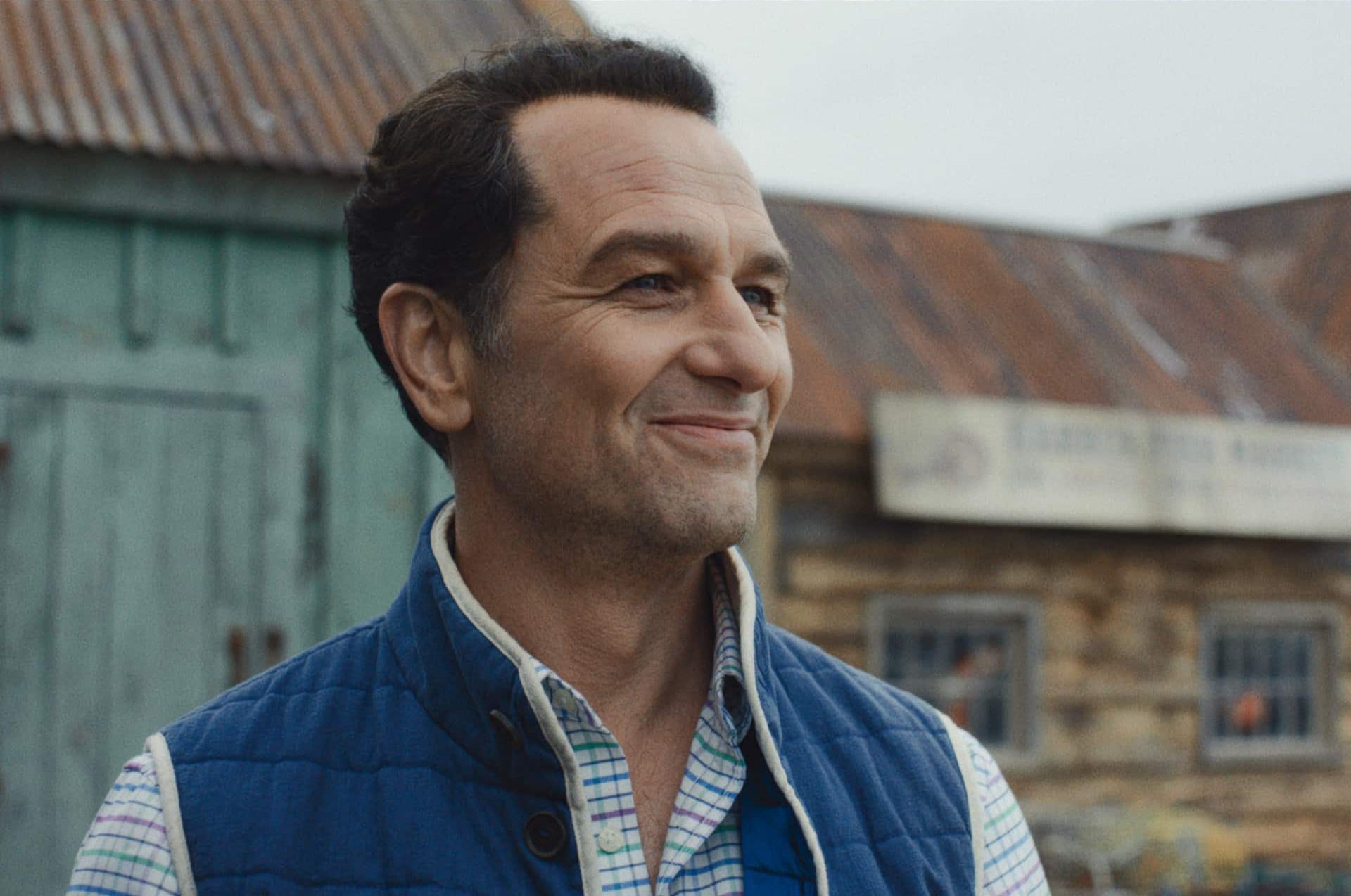
The renewal keeps one of Apple’s most unusual Originals moving. Widow’s Bay blends horror, comedy, small-town politics, superstition, and character drama around a struggling island community that becomes a tourist destination just as old local fears begin to look less ridiculous. The series stars Emmy Award winner Matthew Rhys as Mayor Tom Loftis, a man trying to rebuild the town’s future while dealing with residents who do not believe he is brave enough for the job.
Apple also announced a new multiyear overall deal with creator, showrunner, and executive producer Katie Dippold, strengthening the relationship behind the series as Apple TV continues investing in distinctive comedy and drama projects.
Widow’s Bay Gets a Fast Renewal
Apple’s season 2 decision arrives before the season 1 finale, a sign of confidence in the show’s early performance and reception. Apple described the series as a global hit and highlighted its strong critical response, including a Certified Fresh rating on Rotten Tomatoes.
The timing gives viewers a reason to watch the finale knowing the story is not ending there. For a mystery-driven series, that matters. Shows built around local secrets, strange events, and character relationships often benefit when audiences know the creators have room to continue the story.
Widow’s Bay has a premise that can expand naturally. The island itself is the engine of the series: isolated, strange, funny, cursed by reputation, and full of characters who seem to know more than they say. Season 1 introduced the town’s odd balance of civic ambition and supernatural dread. A second season gives Apple and the creative team more space to explore what happens after tourists arrive and the old stories begin resurfacing.
Apple’s announcement leans into the show’s tone. Dippold joked that season 2 is about everything being great on the island and there being nothing to worry about, which is exactly the kind of reassurance no one in Widow’s Bay should believe.

Matthew Rhys Leads Apple’s Horror-Comedy Mystery
Matthew Rhys gives Widow’s Bay a strong center as Tom Loftis, the island mayor trying to turn a declining community into a destination. The character is not presented as a heroic leader. He is anxious, underestimated, mocked by locals, and driven by a desire to build something better for his teenage son.
That vulnerability is part of the show’s appeal. Widow’s Bay is not only about whether the island is cursed. It is also about a man trying to be taken seriously in a place that knows exactly how to embarrass him.
The cast around Rhys gives the series room to move between horror and comedy. Apple lists Kate O’Flynn, Stephen Root, Kingston Rumi Southwick, Kevin Carroll, and Dale Dickey among the main cast, with K Callan and Emmy Award winner Jeff Hiller in supporting roles. That mix supports the show’s tonal balancing act: eerie enough to work as mystery, dry enough to keep the comedy alive, and character-driven enough to avoid becoming only a genre exercise.
Hiro Murai’s involvement also shapes the show’s identity. Murai executive produces and directed five episodes in the first season. His work has often blended surreal, emotional, and sharply observed storytelling, which fits a series that moves between cursed-island mythology and awkward civic desperation.
Katie Dippold Extends Her Apple TV Relationship
The renewal comes with a larger creative move: Apple TV has signed Katie Dippold to a new multiyear overall deal. Dippold created, showruns, and executive produces Widow’s Bay, and the agreement suggests Apple wants more from her beyond a single season order.
That is a familiar streaming strategy, but it matters for Apple TV because the service has built its identity around selected creators rather than sheer volume. Apple has relied on strong creative partnerships across drama, comedy, science fiction, documentaries, and all-ages programming. Locking in Dippold gives Apple another voice with a specific tone: sharp comedy that can move into stranger territory without losing character focus.
For Widow’s Bay, the deal also signals stability. A series with this kind of tone needs a consistent creative hand. Too much horror could flatten the comedy. Too many jokes could weaken the mystery. Dippold’s role as creator and showrunner gives the series a defined center as it heads into season 2.
Apple’s decision also fits the service’s recent programming pattern. Apple TV continues looking for series that can stand apart in a crowded streaming market, especially shows with a strong hook rather than interchangeable genre packaging.
A Different Kind of Apple Original
Widow’s Bay gives Apple TV something slightly different from its higher-profile dramas and prestige comedies. It is not a workplace comedy, a glossy thriller, a science fiction epic, or a traditional small-town drama. It sits in a stranger lane: a cursed-island horror comedy about civic reinvention, superstition, and one mayor’s desperate attempt to make everyone take him seriously.
That makes it useful for Apple’s catalog. Streaming services need shows that create conversation because they are easy to describe but hard to duplicate. Widow’s Bay has that kind of hook. A struggling island mayor brings back tourists, only for old local legends to start coming true. It is simple enough to pitch, but flexible enough to support different tones and episode ideas.
Apple TV has also been leaning into a broader mix of Originals, from workplace satire and science fiction to sports films, documentaries, children’s programming, and character-driven dramas. Widow’s Bay helps fill the space for viewers who want something eerie but not grim, funny but not lightweight.
The show also gives Apple another series with franchise potential. The island can introduce new mysteries, new visitors, new civic disasters, and new local secrets without needing to abandon its core premise.
Season 2 Can Deepen the Island’s Curse
The most promising part of the renewal is the island itself. Widow’s Bay is built around a place where local superstition, civic desperation, and tourism collide. Season 1’s setup gives season 2 several directions without needing to reset the story.
The town can become more famous, bringing more visitors into danger. Locals can become more divided over whether tourism is worth the risk. Loftis can gain public attention while losing control of the very thing he wanted to save. The old stories can become more specific, stranger, and harder to dismiss.
A second season can also push the supporting cast further. The best town-based series usually improve when side characters become part of the mythology rather than only reacting to it. Widow’s Bay has room for that, especially with a cast built for dry humor and uneasy tension.
The renewal before the finale also lets the season 1 ending carry more weight. If the finale leaves open questions, viewers know the answers are not being abandoned. If it introduces a larger threat, Apple has already given the show space to follow it.
Apple TV Keeps Building Its Originals Library
The Widow’s Bay renewal also supports Apple TV’s larger push to strengthen its Originals library. Apple says its films, documentaries, and series have earned hundreds of wins and thousands of award nominations, while titles such as Ted Lasso, Severance, CODA, F1, The Studio, and Pluribus have helped shape the service’s profile.
Widow’s Bay is not the same kind of title as those bigger cultural or awards-driven projects, but that is part of its value. Apple TV needs a library with different viewing moods. Some subscribers come for prestige drama. Others want comedy, science fiction, all-ages animation, sports documentaries, mystery, or comfort viewing.
A horror-comedy mystery gives Apple another lane to develop. If Widow’s Bay continues finding an audience, it could become the kind of mid-sized genre series that keeps viewers returning between larger launches.
Apple’s commitment to season 2 also suggests the company sees value beyond premiere-week attention. A show like Widow’s Bay can grow through word of mouth, especially if its tone is unusual enough to stand apart from more formulaic streaming releases.
The Finale Arrives June 17
The season 1 finale of Widow’s Bay premieres Wednesday, June 17, on Apple TV. That episode now lands with the added weight of a confirmed second season and a new creative deal for Dippold.
For viewers who have been following Mayor Loftis, the cursed island, and the town’s uneasy tourism push, the renewal means the finale does not have to close every door. It can sharpen the mystery, deepen the joke, or leave the island in a worse place than before.
Apple TV now has a returning genre series with a clear creative identity, a lead performance from Matthew Rhys, and a setting built for more trouble. Widow’s Bay may insist everything is fine, but the renewal makes the opposite far more interesting.


