

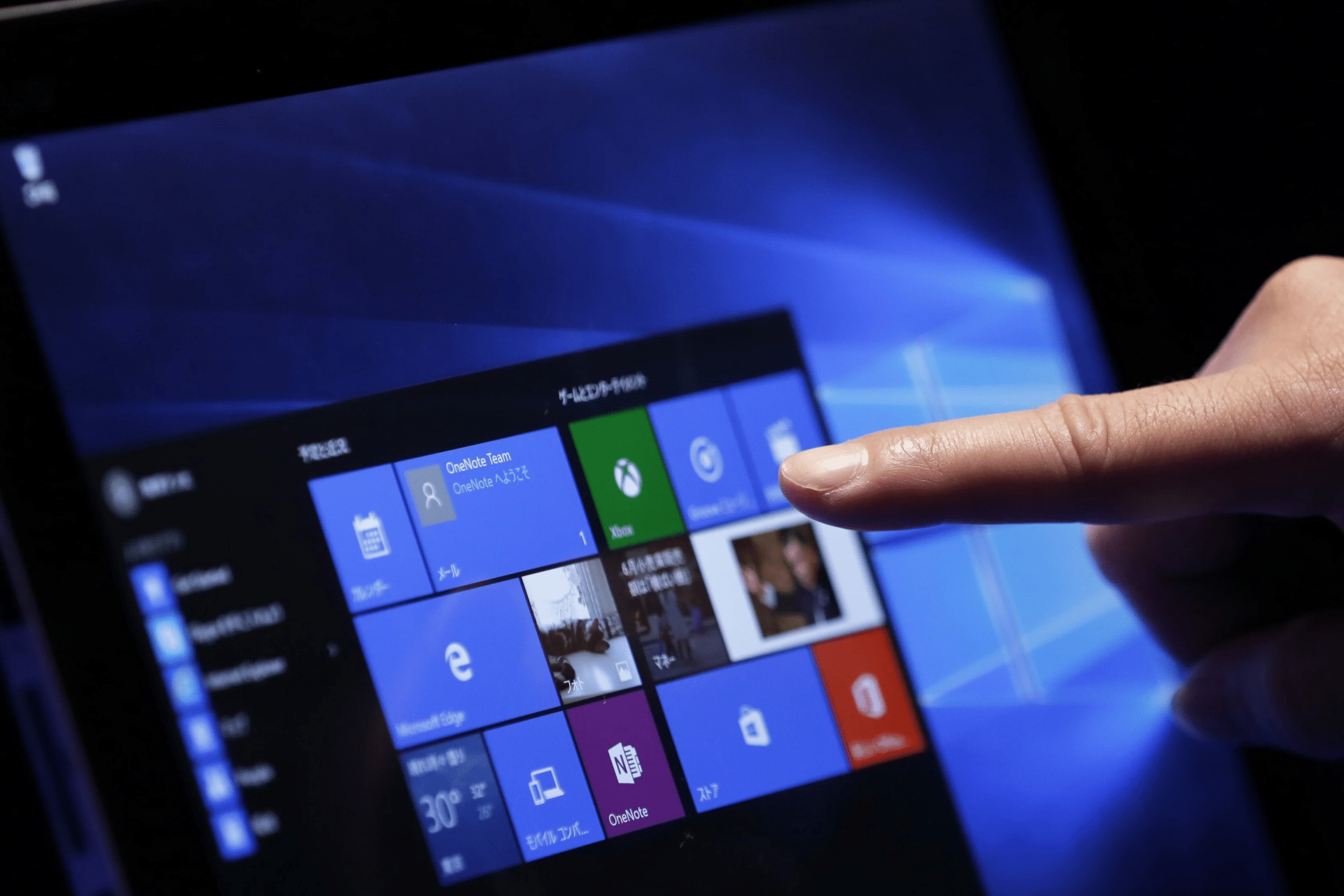
System crashes remain one of the most visible indicators of operating system stability. Whether appearing as a Windows “Blue Screen” or a macOS kernel panic, these interruptions disrupt workflows and often require a restart to restore functionality. Comparisons between platforms frequently center on how often such failures occur and under what circumstances.
Recent analyses cited in technology reliability studies indicate that Windows PCs may experience crash events at significantly higher rates than Macs, in some cases reportedly up to three times more often depending on usage category and device configuration. While exact figures vary across studies and enterprise datasets, the pattern of greater crash frequency on Windows systems has appeared in multiple industry assessments over the past decade.
Understanding the Windows PC crash narrative requires examining how operating systems differ in hardware control, driver management, and update distribution.
Hardware Diversity and System Stability
One structural difference between Windows PCs and Macs lies in hardware diversity. Microsoft licenses Windows to a wide range of manufacturers, resulting in thousands of hardware combinations across desktops and laptops. Each configuration may include different chipsets, graphics processors, drivers, and firmware layers.
That openness provides flexibility and price diversity, but it also increases complexity. A Windows PC crash can stem from driver incompatibilities, third-party hardware interactions, or firmware inconsistencies that are difficult to standardize across vendors.
By contrast, Apple controls both hardware and software design for Macs. macOS is developed specifically for Apple silicon and a limited set of supported components. That tighter integration reduces the number of compatibility variables, which can influence crash frequency.


Driver Management and Software Layers
Windows systems rely heavily on third-party drivers to communicate with hardware components. Graphics cards, networking chips, storage controllers, and peripheral devices often depend on drivers developed by external vendors.
When drivers become outdated or conflict with system updates, crash risks increase. Blue Screen of Death (BSOD) events are frequently tied to driver-level failures or hardware communication breakdowns.
macOS, while not immune to driver issues, uses a more controlled driver ecosystem. Apple certifies and distributes drivers within system updates, limiting the variability seen in broader Windows hardware environments.
This architectural difference contributes to stability comparisons referenced in platform reliability discussions.
Update Fragmentation and Deployment Models
Windows PC crash frequency can also be influenced by update cadence and deployment models. Windows updates roll out across millions of device configurations simultaneously, sometimes interacting differently depending on installed software or hardware.
In enterprise settings, IT administrators often delay updates to test compatibility, but consumer devices may apply updates automatically. When large-scale updates encounter unforeseen compatibility issues, crash rates can spike temporarily.
macOS updates, delivered to a narrower hardware base, are tested within Apple’s defined device ecosystem. Although occasional update-related issues occur, the uniformity of supported models reduces unpredictable interactions.
Enterprise Reliability Data
Enterprise fleet management studies have historically shown variations in failure rates between Windows and macOS devices. Some industry analyses have reported that Windows systems require more frequent support interventions related to crashes, malware exposure, or driver instability.
However, crash frequency also depends heavily on use case. High-performance gaming PCs, custom-built desktops, or systems running intensive third-party utilities may encounter more instability than standardized business laptops.
Similarly, Macs running virtualization tools, beta software, or unsupported kernel extensions can experience crashes under certain conditions.
Context matters when evaluating Windows PC crash comparisons.
Security and System Integrity Factors
Malware exposure and security vulnerabilities can also influence crash statistics. Windows PCs historically faced greater malware targeting due to larger global market share, though security improvements in recent years have reduced systemic exposure.
Security breaches or malicious software may increase crash likelihood if system processes are compromised.
macOS includes built-in protections such as System Integrity Protection (SIP) and Gatekeeper, which restrict unauthorized kernel-level modifications. These protections can contribute indirectly to system stability by limiting unauthorized low-level changes.
Market Share and Statistical Interpretation
Windows remains the dominant desktop operating system globally, accounting for the majority of installed PCs. Larger user bases generate higher raw crash reports, which can skew perception when comparing absolute numbers rather than normalized rates.
When normalized by device count, some studies have suggested Windows PCs experience higher incident rates relative to Macs, though the magnitude varies across reports and time periods.
Hardware age, configuration complexity, and user behavior all influence outcomes.
Windows PC crash discussions therefore reflect not only operating system architecture but also the structural differences in ecosystem control, hardware diversity, and deployment scale.
Reliability remains a multidimensional issue shaped by software design, hardware integration, user environment, and update discipline rather than a single universal statistic.