WWDC has always been Apple’s most important event for the long view of its platform. But WWDC 2026 carries a different weight. For the first time in a decade, the core of the Apple ecosystem is expected to shift not just visually or functionally, but conversationally.
This year’s conference is widely anticipated to redefine how users interact with iPhone, Mac, iPad, Apple Watch, the car, and the home, driven by a new generation of intelligence powered in part by Google Gemini and deeply customized by Apple.
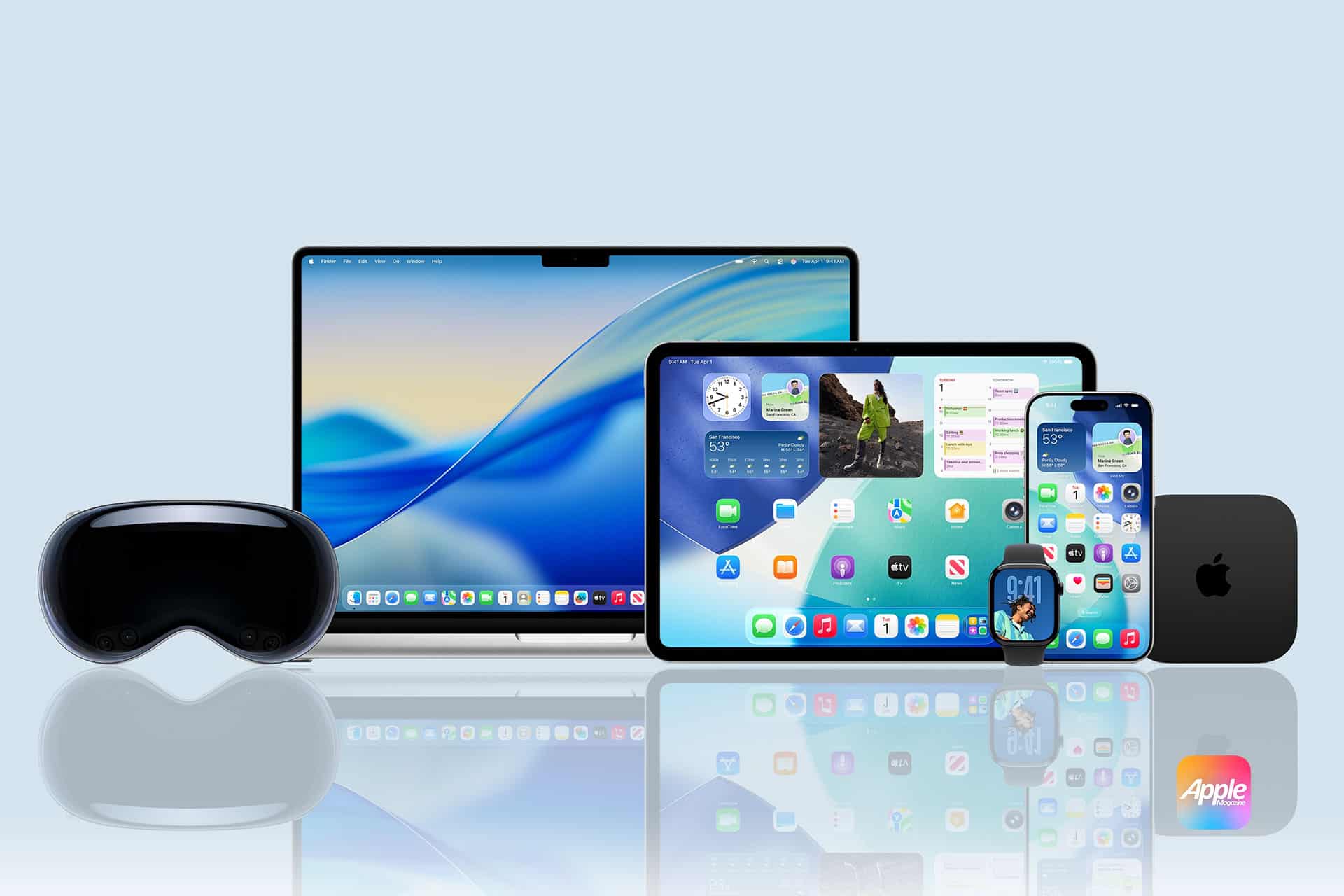
A Unified Evolution Across Every Apple OS
At WWDC 2026, the focus is not expected to be a single platform. Instead, Apple is preparing updates that move iOS, macOS, iPadOS, watchOS, and tvOS forward together, reinforcing the idea that the ecosystem works best when every device shares the same intelligence layer.
Rather than isolated features, Apple’s software strategy increasingly revolves around shared context. What you say, what you do, where you are, and which device you’re using all feed into a more coherent system experience.
This is where WWDC 2026 stands out. The upgrades are expected to feel less like new tools and more like a new behavior across devices.

Siri Enters a New Era
Siri is at the center of the WWDC 2026 narrative. After years of incremental improvements, Apple appears ready to present a more capable, conversational assistant that can maintain context, understand intent across multiple requests, and act more like a continuous interface rather than a command-based tool.
The integration of Google Gemini models is expected to accelerate this shift. Not a generic AI layer, but a deeply customized version built jointly by Apple and Google teams, running within Apple’s privacy architecture.
The result could be an assistant that remembers what you said moments ago, understands follow-up questions naturally, and coordinates actions across apps, devices, and services without repeated instructions.
Apple Intelligence Becomes Systemic
WWDC 2026 is likely where Apple Intelligence stops being perceived as a feature and starts behaving like infrastructure.
Instead of announcing isolated AI tools, Apple is expected to show how intelligence lives everywhere:
- In notifications that adapt to urgency and context
- In apps that understand what you’re trying to accomplish
- In system actions that anticipate needs
- In on-device and private cloud processing that balance power and privacy
This shift changes how users think about their devices. The system becomes proactive, but not intrusive. Helpful, but not noisy.
CarPlay, HomeKit, and the Spaces Around You
WWDC 2026 is also expected to expand Apple’s intelligence beyond personal devices into shared spaces.
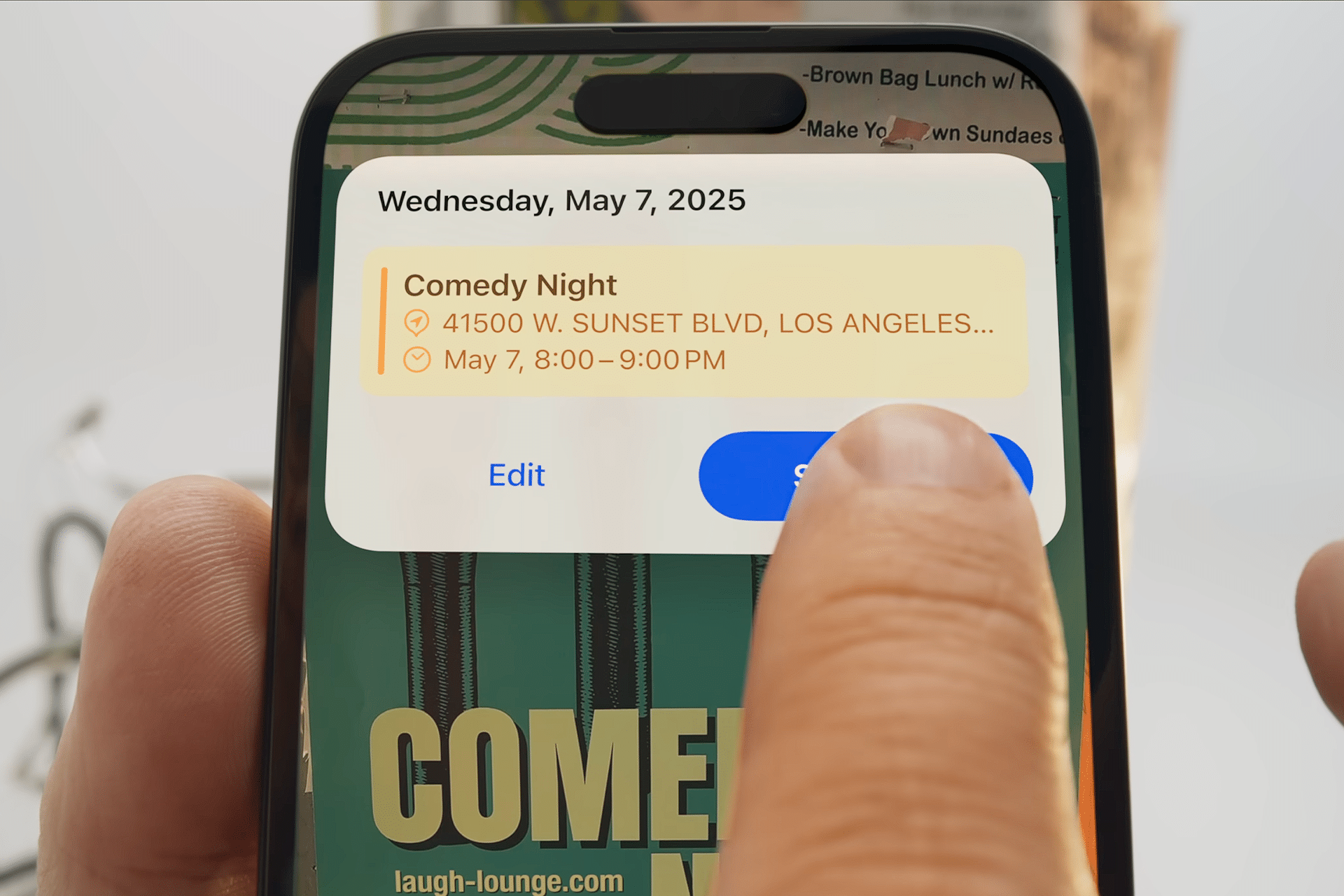
CarPlay is likely to gain deeper awareness of driving habits, destinations, schedules, and vehicle context. HomeKit may become more conversational, moving from automation rules to natural interactions with your home environment.
In both cases, Gemini-powered intelligence combined with Apple’s ecosystem data could enable systems that respond more like assistants and less like control panels.
These extensions matter because they move Apple Intelligence into moments where screens are secondary, and voice, presence, and context matter most.
Why Developers Are Watching Closely
For developers, WWDC 2026 represents a reset in how apps fit into the system. If Apple introduces a more conversational OS layer, developers will need to rethink:
- How users discover features
- How apps expose actions to Siri and the system
- How context and intent replace menus and buttons
This could open new opportunities for apps that integrate deeply with Apple’s intelligence layer, while challenging those built around static workflows.
APIs related to AI, context, and cross-app coordination are expected to be among the most closely watched announcements of the conference.
A Rare Moment of Anticipation
Apple events are always polished, but WWDC 2026 carries a rare sense of anticipation because the stakes are high. This isn’t about a redesign or a single breakthrough feature. It’s about whether Apple can redefine human–computer interaction once again, this time through conversation and intelligence.
With two of the world’s most powerful technology companies collaborating behind the scenes, WWDC 2026 may mark the moment when the Apple ecosystem stops reacting and starts understanding.