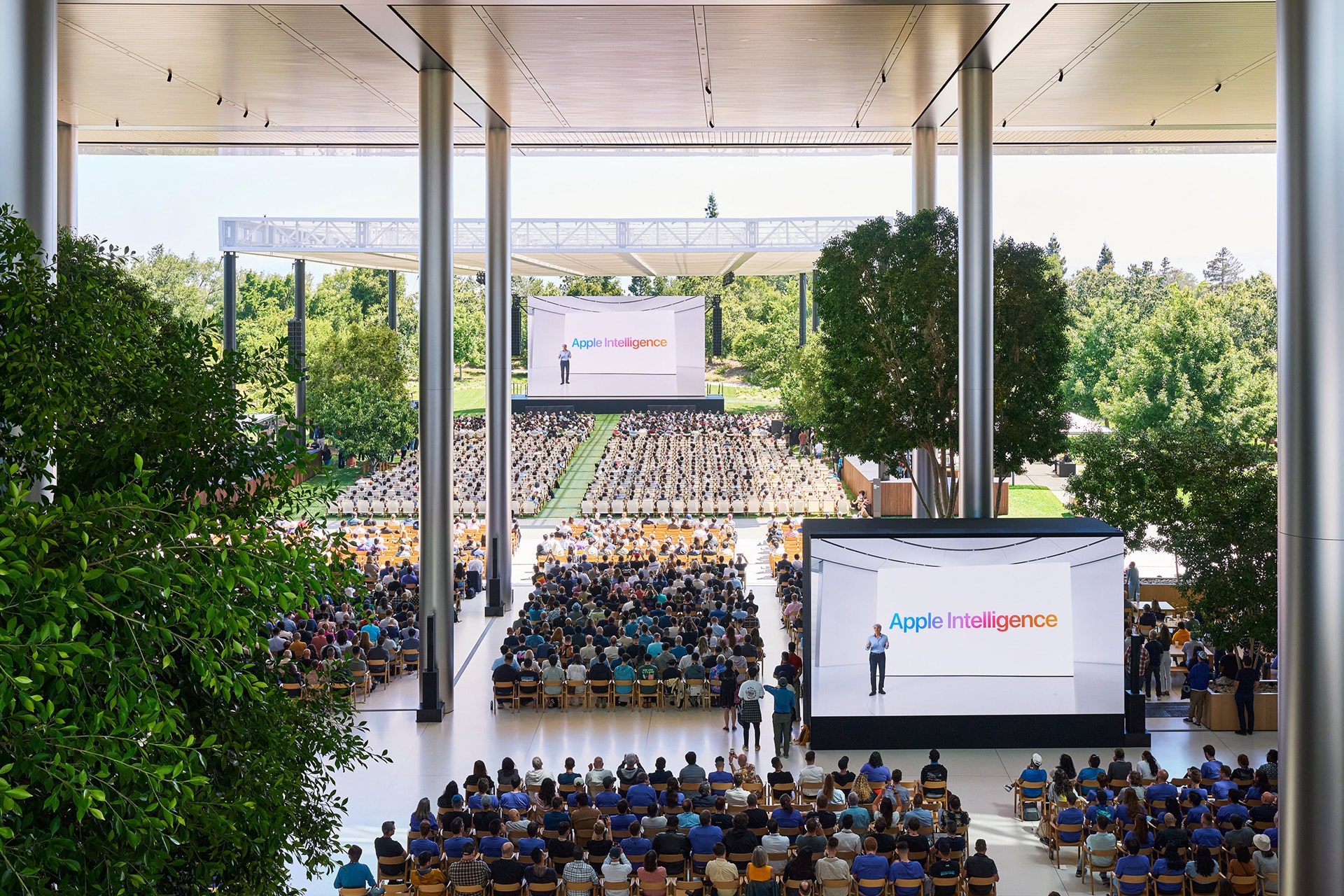
WWDC online format has become one of Apple’s most important changes to its developer relationship. What began as a necessary shift during the pandemic has matured into a global strategy that gives developers around the world access to sessions, labs, documentation, and platform updates at a scale that no traditional in-person conference could realistically support.
WWDC26 continues that direction. Apple will host the conference online from June 8 to June 12, bringing developers together for a week of connection, exploration, and new software announcements. The company will also hold a special in-person event at Apple Park on June 8 for selected developers and students, but the core experience remains online and free. Apple’s developer page describes WWDC26 as a week of technology, creativity, and community, with video sessions hosted by Apple engineers and designers, labs with Apple experts, and connection with the worldwide developer community.
That structure shows how much the conference has changed. WWDC is no longer limited by flight costs, hotel availability, venue capacity, or the small number of people who can physically fit into Apple Park or a convention hall. A student in Brazil, an independent developer in India, a small studio in Poland, or a startup team in Indonesia can follow the same technical sessions as developers sitting near Apple’s campus. That is a major shift in access.

How WWDC Became a Global Developer Platform
The older version of WWDC had its own appeal. Developers gathered in person, Apple engineers were nearby, and the week carried the energy of a major industry event. But that format also came with obvious limits. Tickets were limited. Travel was expensive. Time zones and visas could become barriers. Many developers who built for Apple platforms were never able to attend.
The online model changed the economics of participation. Apple now makes the conference available through the Apple Developer app, the Apple Developer website, and other official video channels. Developers can watch the keynote, follow Platforms State of the Union, study technical sessions, revisit videos after they are published, and apply new APIs without needing to travel.
That is not only more convenient. It is more democratic. A global developer platform cannot depend only on a few thousand people being in California for one week. The App Store economy is built by developers in dozens of countries, across many languages, company sizes, and business models. An online WWDC matches that reality better than a physical-first conference ever could.
Apple’s current developer-event strategy also extends beyond June. Its Meet with Apple program offers online and in-person sessions, labs, workshops, and appointments throughout the year. That gives developers a more continuous relationship with Apple instead of concentrating everything into one crowded week. WWDC remains the flagship moment, but the online format has helped turn developer education into a year-round system.
For developers, that change matters most after the announcements are over. A keynote creates excitement, but technical adoption happens in the details: how an API behaves, how a framework changes, how an app should adapt to new platform rules, how a new design language should be implemented, how performance should be optimized. Online sessions make those details easier to revisit, pause, share with teams, and apply over time.

What Online Labs and Sessions Change for Developers
WWDC’s online structure is especially useful because software development is not a spectator activity. Developers need to test, compare, debug, and ask questions. Apple’s WWDC26 page highlights labs with Apple experts, along with sessions hosted by engineers and designers. The special Apple Park event also includes one-on-one and group labs for invited attendees, showing that Apple still values direct technical contact even as the wider conference remains online.
The benefit of online sessions is durability. An in-person talk disappears quickly unless someone took careful notes. A recorded session becomes a reference document. A developer can watch it during the conference, return to it weeks later, send it to a teammate, or study one section while implementing the related API. That gives WWDC material a longer life inside real development workflows.
It also helps teams. Many app studios do not send one person to absorb everything and report back. With online access, designers, engineers, product managers, and founders can each watch the sessions most relevant to their work. A UI designer can focus on design updates. A backend engineer can study cloud or security changes. A game developer can watch graphics and performance sessions. A founder can follow App Store and monetization guidance. The event becomes less about attendance and more about practical distribution of knowledge.
The format also supports developers at different levels. A beginner can watch the keynote and introductory sessions. A senior engineer can go straight into framework changes and platform-specific labs. A student can follow the same material used by professional teams. Apple’s developer community becomes easier to enter because the front door is no longer locked behind an in-person ticket.
That is one of the strongest advantages of WWDC online format: it lets Apple teach at multiple levels at once.

WWDC26 Expectations and Apple’s Next Developer Push
WWDC26 will almost certainly focus on the next versions of Apple’s platforms and developer tools. Apple’s announcement says the event will reveal the latest tools, frameworks, and features. Reuters also reported that Apple is expected to highlight platform updates, artificial intelligence advancements, and new software and developer tools during the conference.
The AI layer will be especially important. Apple has spent the past two years positioning Apple Intelligence as a system-level feature across iPhone, iPad, Mac, Apple Watch, and Apple Vision Pro. WWDC26 gives Apple a chance to show developers how that work expands next, whether through new APIs, deeper system actions, improved Siri capabilities, on-device models, or stronger app-level integration.
The online format makes that even more valuable. AI features often require careful documentation, privacy explanations, implementation examples, and follow-up learning. A live stage moment can introduce the concept, but developers need repeatable technical material to build with it properly. Recorded sessions, online labs, and developer documentation make that possible at scale.
The same applies to design. Apple’s recent software strategy has moved toward a more unified design language across platforms. Developers now need to understand how apps should feel across iOS, iPadOS, macOS, watchOS, tvOS, and visionOS without flattening each platform into the same interface. WWDC is where those rules become clearer. Online sessions give designers and developers time to study them instead of rushing through a single live event.
Apple is also likely to keep improving the hybrid balance. The special Apple Park event gives selected developers and students a high-value in-person experience, including the keynote, Platforms State of the Union, campus access, and labs. The broader online conference gives everyone else access to the material that matters most. That split lets Apple preserve the prestige of an in-person gathering while keeping the developer conference global.
The best version of WWDC now is not purely physical or purely remote. It is layered. A small group gets the energy of Apple Park. The world gets the knowledge. Developers get the sessions, labs, videos, and tools they need. Apple gets a larger, more inclusive, more scalable channel for platform adoption.
What WWDC26 can deliver, then, is not only another round of software announcements. It can show how far Apple has refined the online conference model into a global developer engine. A physical event can inspire a room. The online WWDC format can reach the entire ecosystem.