



X-Energy, a developer of advanced nuclear reactor and fuel systems, has completed a significant capital raise of about $700 million, marking one of the largest funding rounds in the SMR sector to date. According to public filings and industry sources, the funding round is led by the quantitative trading firm Jane Street and draws in a mix of new and existing backers including ARK Invest, Point72, and others. The company’s order backlog now reportedly exceeds 11 gigawatts of reactor capacity, reflecting more than 140 units of its Xe-100 design in customer commitments. The capital infusion will be used to scale manufacturing of both the reactors and their proprietary TRISO-X fuel, support licensing efforts, and expand the supply chain required to bring SMR systems into commercial operation.
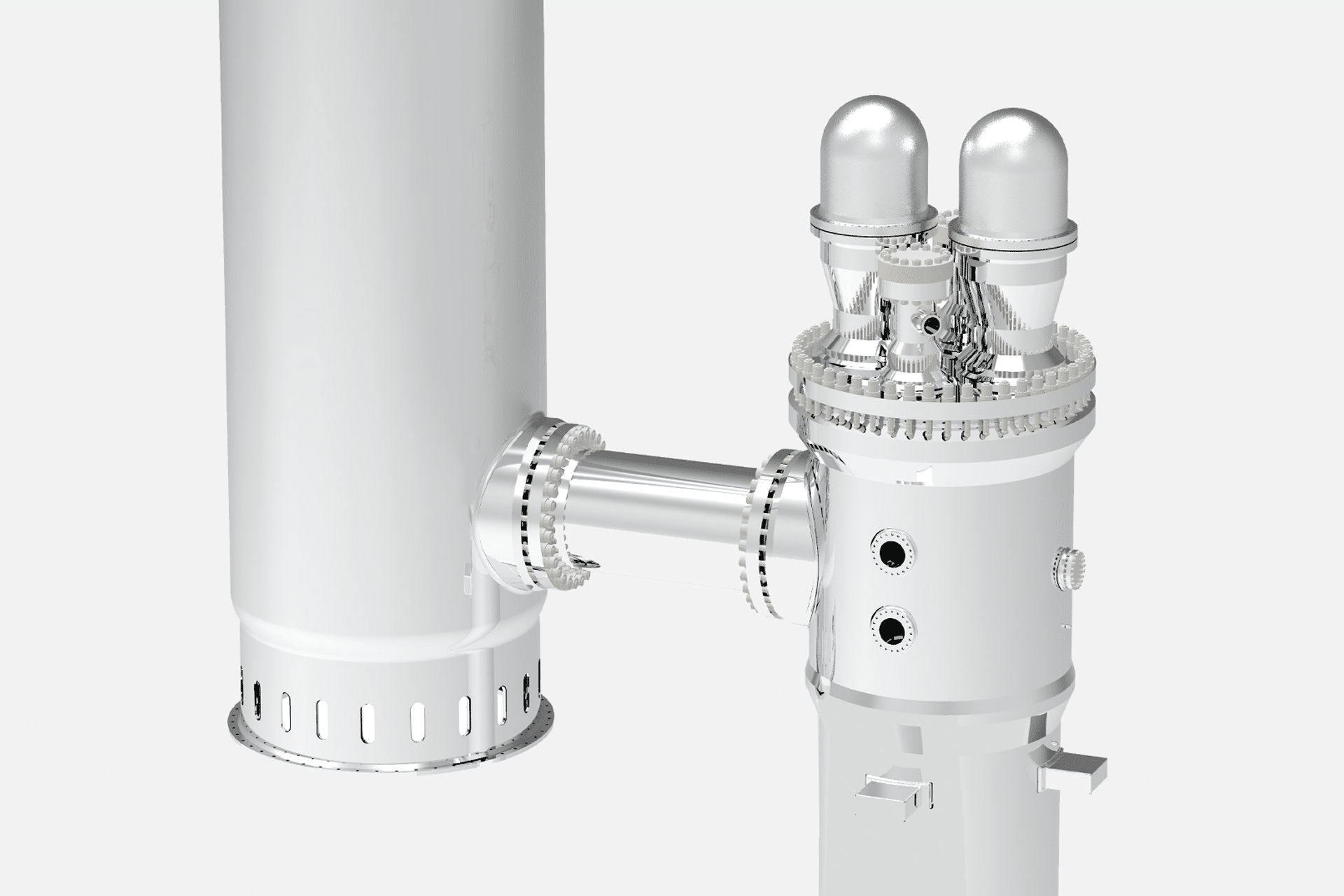
X-Energy’s strategy centres around its Xe-100 reactor, a high-temperature gas-cooled SMR capable of delivering approximately 80 megawatts per unit in a modular form factor. The reactor design emphasizes modularity, faster construction timelines and scaled deployment for industrial and grid applications. In recent years X-Energy secured partnerships with industrial and technology-sector customers, including one with Amazon for large-scale deployment of SMR capacity and another with industrial chemical company Dow Inc. for a multi-unit plant at a manufacturing site on the U.S. Gulf Coast. These agreements highlight the role of SMRs in supplying reliable, low-carbon power to heavy-duty energy consumers and data-centre operators.
The new funding round arrives amid growing investor interest in SMRs and nuclear power as part of the clean-energy transition and as providers of stable baseload power for emerging high-demand sectors such as AI, data centres and industrial manufacturing. Analysts say the capital signals confidence not only in X-Energy’s technology but also in the broader shifting dynamic of nuclear investment, where private capital is increasingly active. At the same time, regulatory licensing, supply-chain build-out and cost-competition with other clean-energy resources remain key execution risks.
Advance Deployments
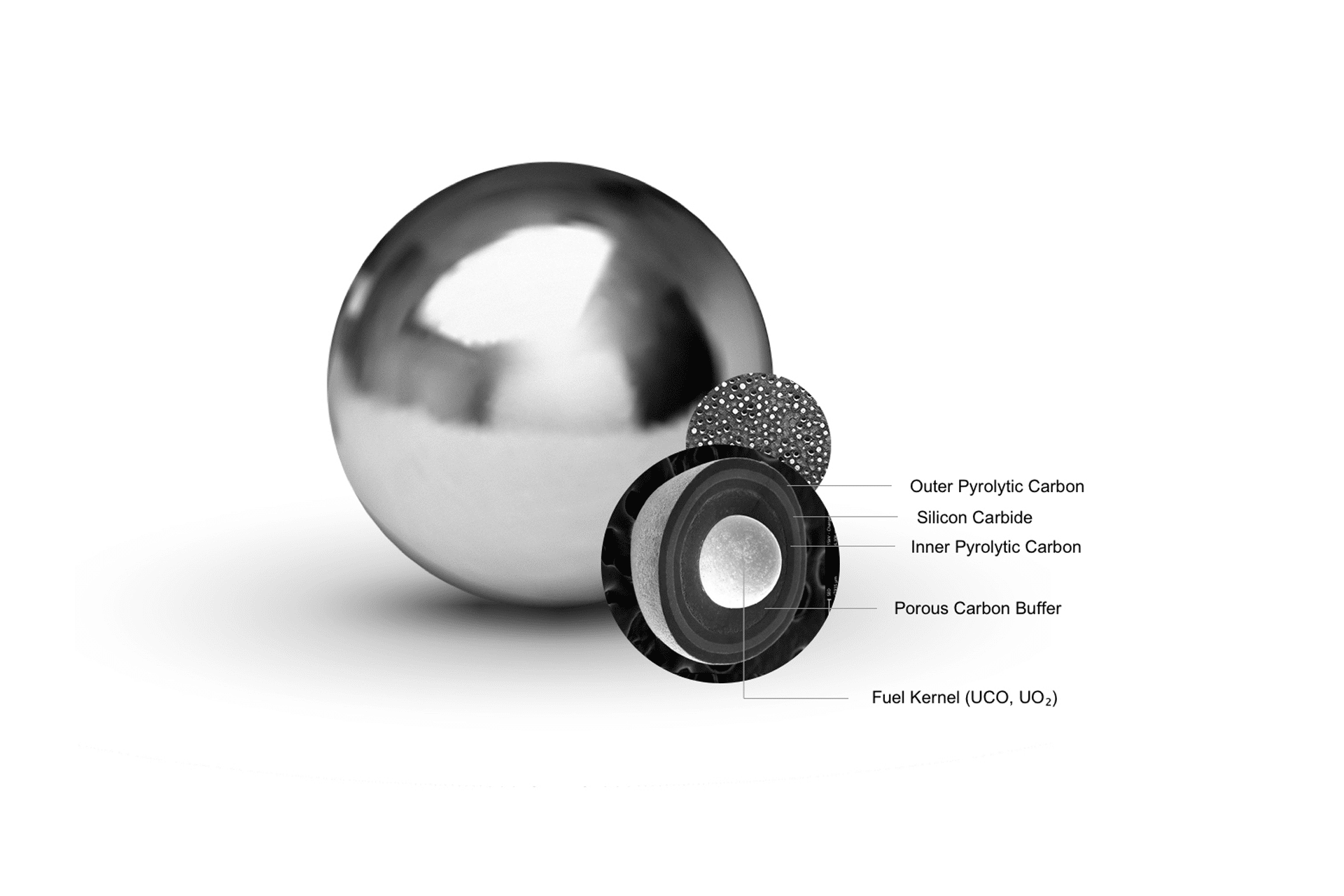
X-Energy plans to deploy its first commercial Xe-100 units at an industrial manufacturing location, using high-temperature steam output for both power and process heat. The company is also constructing its TRISO-X fuel fabrication facility in Oak Ridge, Tennessee, designed to supply high-temperature reactors with next-generation fuel that improves thermal efficiency and system safety. By integrating fuel and reactor design under one supplier, X-Energy aims to reduce project risk and streamline deployment timelines.
Its backlog, which now targets more than 11 gigawatts, reflects commitments that span both the U.S. and U.K. markets. In the U.K., the company has secured a framework arrangement with Centrica, and in the U.S. additional capacity is tied to Amazon’s power-purchase plans. Manufacturing scale-up, licensing support from the country’s nuclear regulator and construction readiness are all critical components of the path ahead.
This ability to integrate reactor, fuel supply and modular construction could position X-Energy to offer SMR-based solutions that address both electricity generation and heavy industry decarbonisation. The company emphasizes that its modular units are designed to be factory-built, shipped and assembled on-site, reducing the cost and risk of traditional large nuclear stations. If executed effectively, this could reshape how new nuclear plants are deployed—moving from decade-long megaprojects toward more agile, phased roll-outs.
Market Dynamics and Investments
The rise of SMRs has drawn attention from sectors beyond energy, including tech companies and data-centre operators that require high-availability, low-carbon power. Amazon’s involvement as a strategic customer and investor underlines the convergence of digital infrastructure and clean-energy supply. For investors, the $700 million raise at X-Energy represents a bet on the convergence of climate-driven energy demand and industrial power trends. The company’s ability to scale manufacturing, navigate licensing and win contracts will determine whether the market perceives SMRs as viable alternatives to large-scale nuclear or as niche solutions.
Still, challenges remain. SMRs must compete with increasingly low-cost renewables plus storage, face licensing regimes that vary by region, and navigate supply-chain risks for critical components such as fuel, turbines and control systems. The upcoming years will test whether companies like X-Energy can deliver on the promise of faster, modular nuclear deployments. If successful, the capital raised may enable a wave of SMR projects that complement renewable energy and address baseload power needs for emerging industries such as AI and cloud computing.

