

Apple’s decision to place Martin Luther King Jr. on its front page is not symbolic filler. It reflects a long-standing pattern in how the company connects technology with human values, reminding a global audience that progress is not only measured in innovation, but in dignity, equality, and voice.
By foregrounding King’s image and words, Apple pauses the fast-moving news cycle and invites reflection on ideas that remain unresolved, even in a digitally connected world.

A Message That Transcends Generations
Martin Luther King Jr.’s vision was rooted in moral clarity and collective responsibility. His call for justice, nonviolence, and equal opportunity continues to resonate far beyond the era of civil rights marches.
In a time shaped by algorithms, platforms, and global communication, King’s message feels newly relevant. Technology amplifies voices, but it also magnifies divisions. The reminder placed by Apple reframes innovation as a tool that must serve people, not replace empathy.
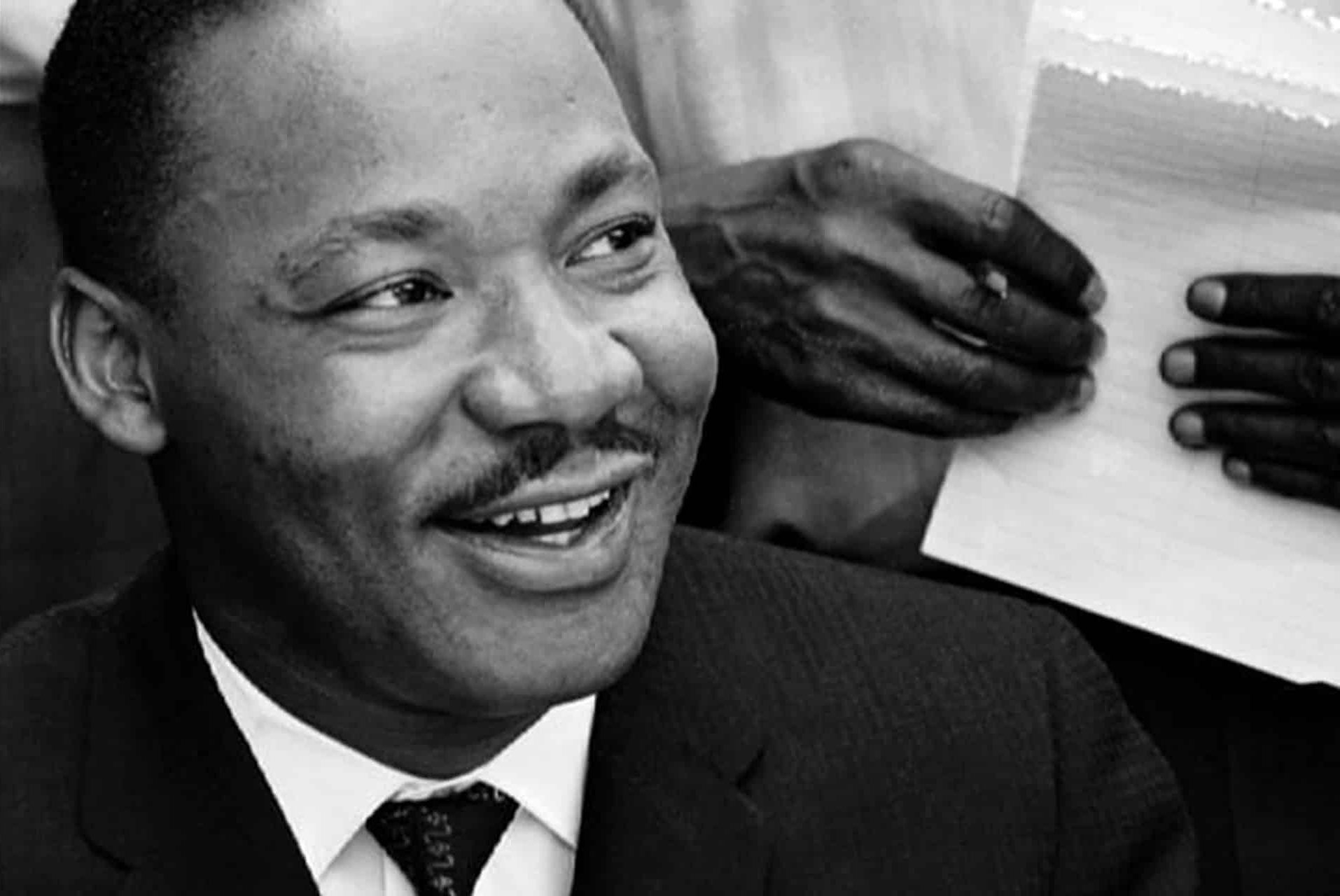
Apple’s Choice of Visibility
The Apple homepage is one of the most visited digital spaces in the world. What appears there matters.
By dedicating that space to Martin Luther King Jr., Apple aligns itself with a broader cultural moment rather than a product launch. It signals that certain values are not seasonal or promotional, but foundational.
This approach mirrors past moments when Apple has used its platform to highlight creativity, education, and social responsibility, reinforcing the idea that technology companies participate in culture, not just markets.
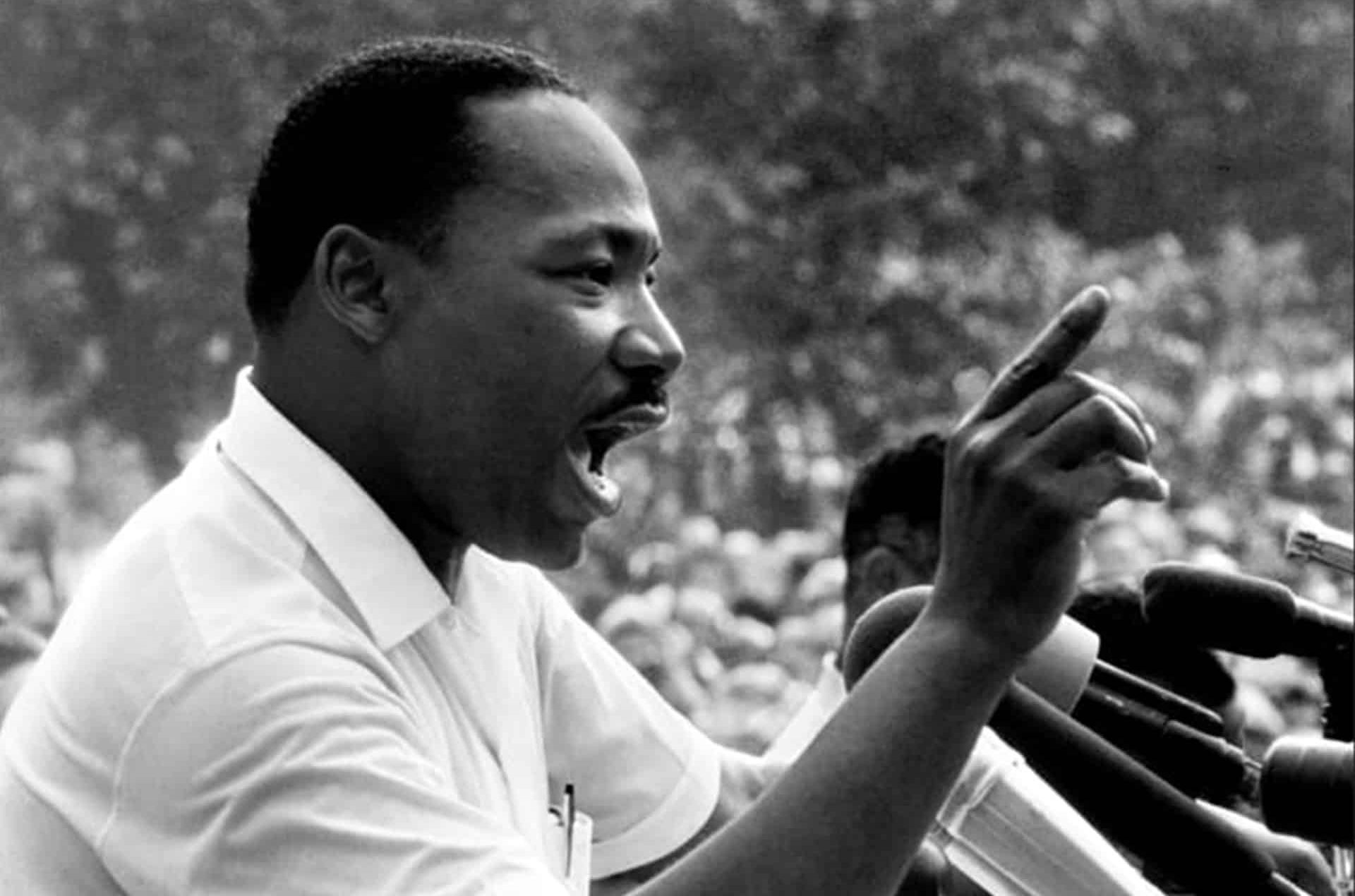
Civil Rights in the Age of Technology
King spoke often about access, fairness, and the dangers of systems that exclude. While his work focused on legal and social structures, the same concerns now extend into digital life.
Access to information, privacy, representation, and opportunity are modern civil rights questions. Apple’s emphasis on privacy, accessibility, and inclusive design echoes many of these principles, framing technology as something that should protect users rather than exploit them.
The connection is not literal, but philosophical. King’s work reminds today’s builders that scale brings responsibility.
Celebrate the Memory
Honoring Martin Luther King Jr. is not about nostalgia. It is about continuity.
As artificial intelligence, automation, and digital platforms reshape daily life, the ethical foundations behind progress become more important, not less. Apple’s front-page tribute subtly reinforces that innovation without values is incomplete.
It also invites users to pause, reflect, and carry forward ideas that predate modern technology but remain essential to its future.

A Legacy That Still Guides the Future
Martin Luther King Jr. believed that progress was a shared effort, built through courage, conscience, and sustained action. Apple’s tribute places that belief into a modern frame, reminding millions that the tools of today inherit the moral questions of yesterday.
In a world defined by constant updates, some messages do not need revision. They only need to be remembered.


