

Apple is preparing for what could become one of its most ambitious product cycles in years, with internal roadmaps and supply-chain signals pointing to roughly 20 new products launching throughout 2026. Rather than isolated upgrades, this cycle reflects a coordinated expansion of Apple’s ecosystem, touching nearly every major category including iPhone, Mac, iPad, wearables, home devices, and services.
This pattern aligns with how Apple has evolved over the past decade: fewer experimental one-offs, more tightly integrated platforms designed to reinforce each other over multi-year timelines. The upcoming year appears to follow that trajectory, with Apple building on existing foundations rather than reinventing categories overnight.
How Apple’s Product Cycles Have Shifted
Apple no longer treats product launches as singular events. Instead, releases are increasingly staggered across the year, allowing hardware, software, and services to mature together. This strategy reduces risk, smooths supply constraints, and creates recurring attention moments rather than a single annual spike.
Looking back at previous cycles, Apple often seeds major transitions quietly before scaling them. Apple silicon followed this pattern, as did the expansion of services like Apple TV and Apple Fitness. The same approach appears to be shaping the 2026 roadmap, with multiple devices evolving in parallel rather than one flagship dominating the narrative.
iPhone and Mobile Devices
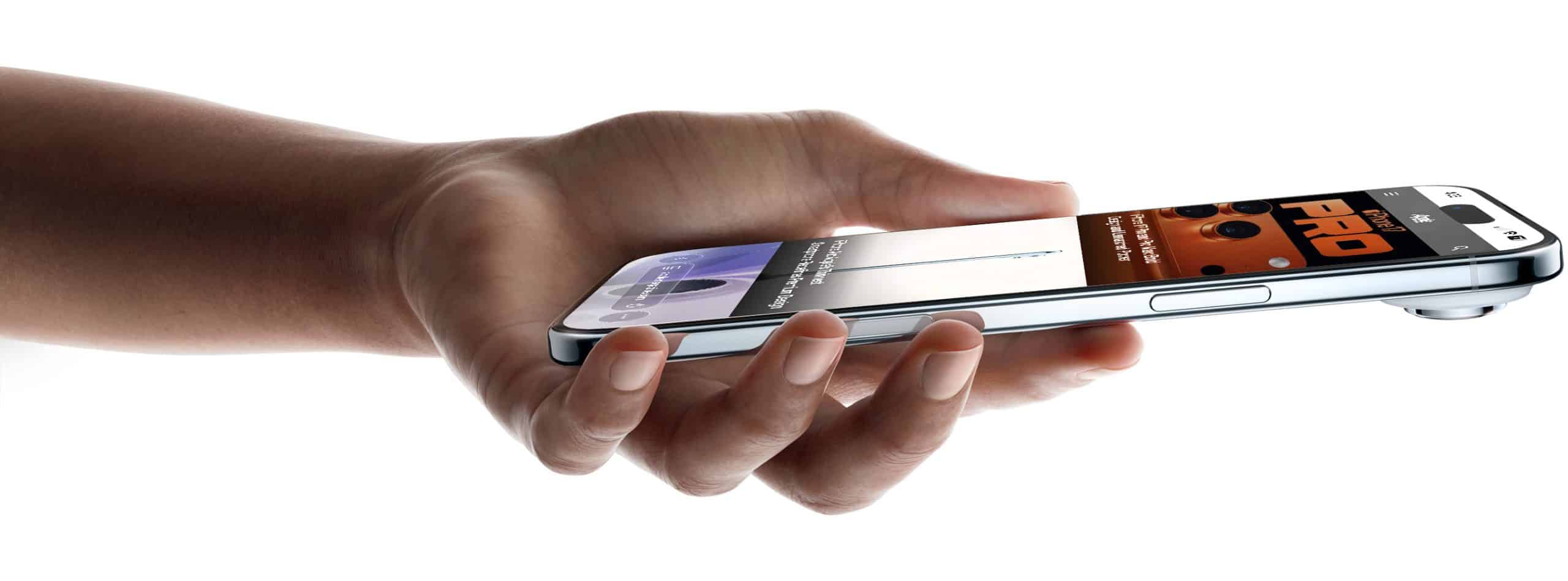
The iPhone remains central to Apple’s ecosystem, and upcoming releases are expected to focus on refinement rather than radical redesign. Camera systems, battery efficiency, and display technology are likely areas of continued improvement, especially as Apple balances performance with thinner form factors.
Alongside iPhone updates, iPad models are expected to see incremental but meaningful enhancements, particularly around processing power and display capabilities. Apple’s long-term trend suggests continued convergence between iPad and Mac workflows, reinforcing the role of tablets as productivity tools rather than consumption-only devices.
Mac and Apple Silicon Evolution
Mac updates are expected to reflect the next phase of Apple silicon, emphasizing performance gains, power efficiency, and thermal improvements. Apple’s control over its chip roadmap allows coordinated hardware updates that align closely with macOS features, reinforcing differentiation from competitors reliant on third-party processors.
Rather than chasing raw performance benchmarks, Apple’s Mac strategy continues to emphasize real-world gains: quieter operation, longer battery life, and sustained performance under load. New MacBook and desktop models are expected to build on these strengths rather than redefine the lineup.

Wearables and Health Technology
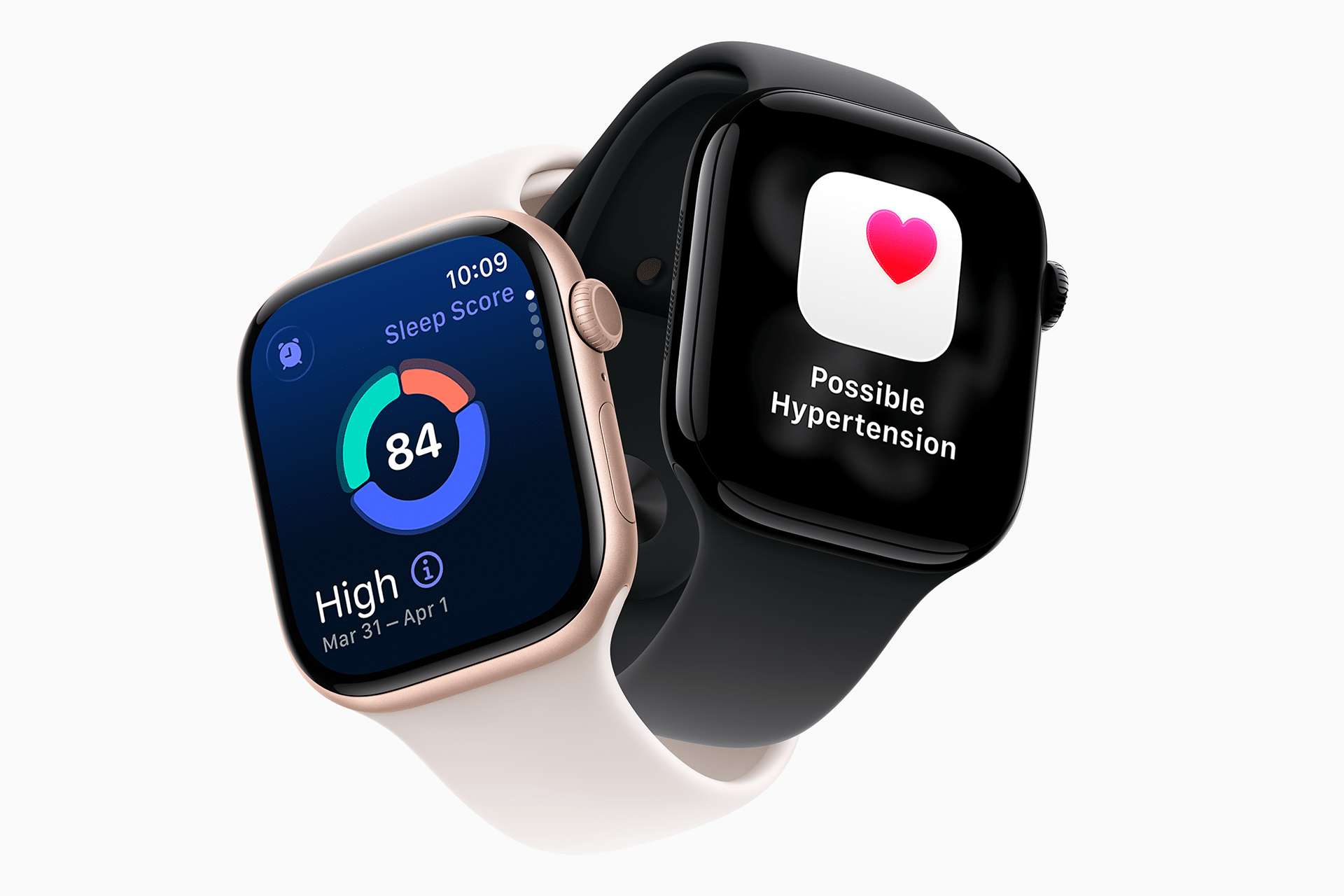
Apple Watch and related health technologies remain one of Apple’s most consistent growth areas. Future updates are expected to refine sensors, software intelligence, and integration with broader health platforms. The focus remains on long-term data accuracy and ecosystem value rather than headline-grabbing features.
Apple’s wearable strategy benefits from its control over both hardware and software, allowing features to mature over multiple generations. This slow-burn approach has proven effective in health tracking, where trust and reliability matter more than novelty.
Home Devices and Ambient Computing
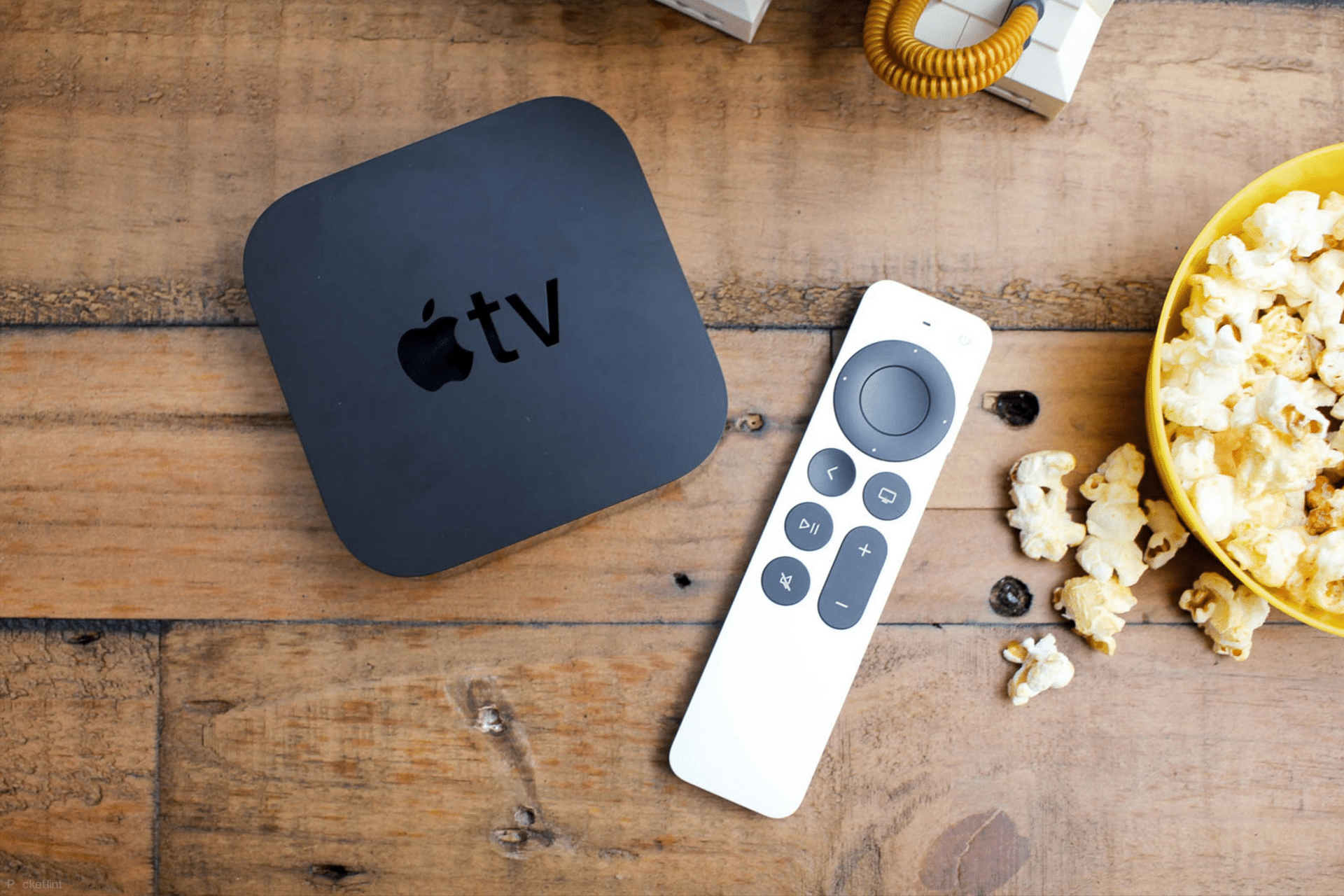
Apple’s home product lineup continues to evolve gradually, with an emphasis on reliability, privacy, and ecosystem cohesion. Rather than competing on device count alone, Apple positions home devices as extensions of its broader platform, tied together through software and services.
Upcoming releases are expected to refine existing categories rather than introduce entirely new ones, reinforcing Apple’s preference for iteration over experimentation in environments where stability matters.

Services as the Unifying Layer
Apple’s services increasingly act as the connective tissue across devices. Hardware updates often arrive alongside service enhancements designed to take advantage of new capabilities. This approach strengthens user retention while increasing the long-term value of each device.
As more products launch in 2026, services are expected to scale alongside them, reinforcing Apple’s ecosystem advantage rather than functioning as standalone offerings.
Why This Roadmap Matters
What stands out in Apple’s projected 2026 lineup is not the number of products alone, but how they fit together. Each device appears designed to reinforce existing behaviors rather than create new ones from scratch. This consistency strengthens AppleMagazine’s role in documenting not just product launches, but the broader evolution of Apple’s ecosystem over time.
By anchoring coverage around Apple’s strategy rather than individual rumors, AppleMagazine builds authority as a long-term observer of how Apple evolves its platforms, devices, and services in unison.


