

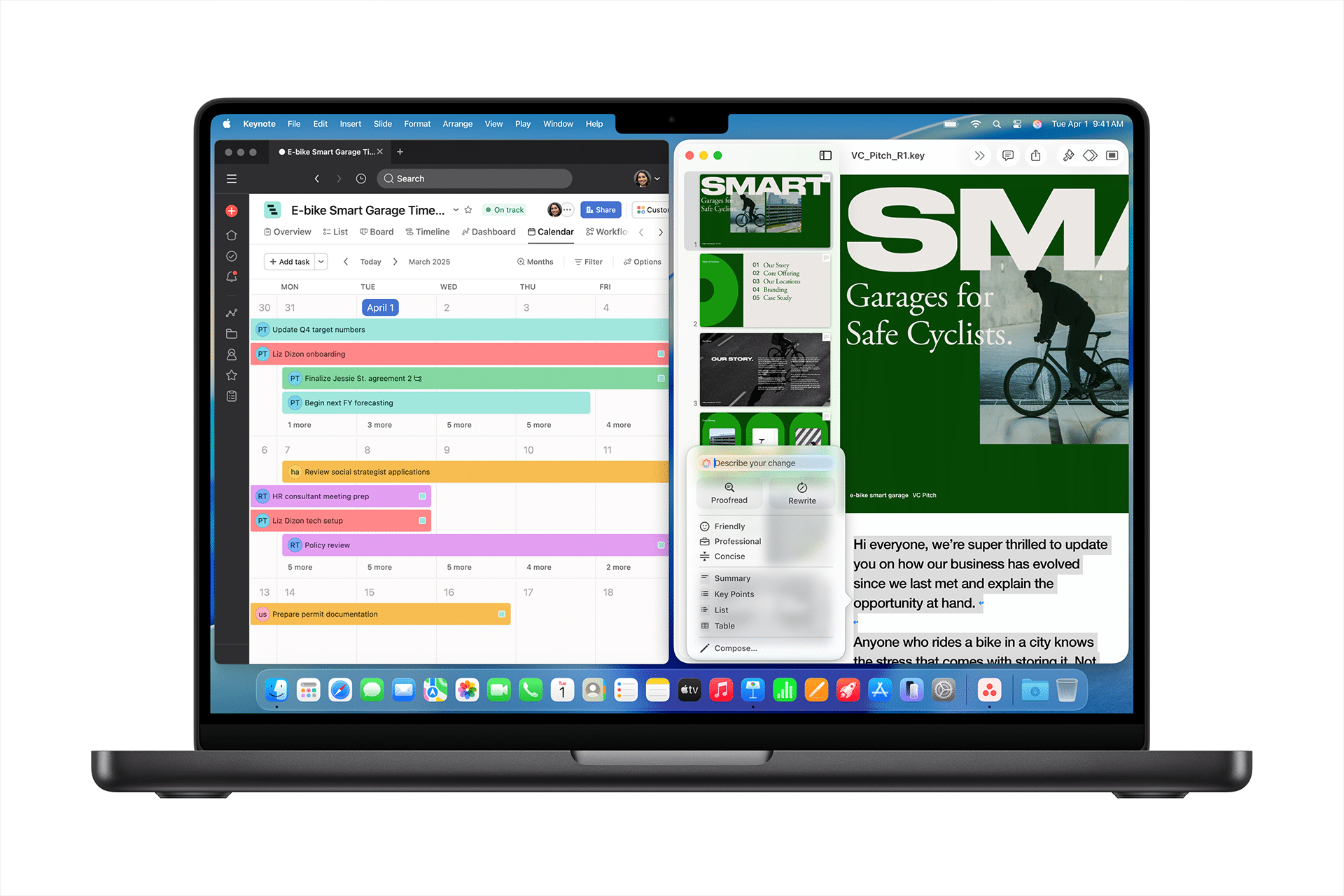
Apple’s custom silicon journey continues into 2026 with broader adoption of the M5 chip across more Mac models. The recent official introduction of a new 14-inch MacBook Pro powered by M5 highlighted advancements in CPU, GPU and AI performance, positioning Apple Silicon as a strong backbone for upcoming Macs.
Experts tracking Apple’s product cycle observe that systems powered by M5 such as this new MacBook Pro mark the beginning of a wider rollout across Apple’s notebook and desktop portfolio next year. Early expectations point toward refreshed MacBook Air models with M5 chips in spring 2026, followed by expanded Pro series configurations and desktop updates later in the year.
Apple’s M5 Moves Beyond Single Devices
The official Apple announcement of the 14-inch MacBook Pro with M5 underscores a broader shift in Apple’s silicon strategy. The M5 introduces a next-generation GPU with neural accelerators, enhanced CPU performance and faster storage, along with longer battery life — up to 24 hours on a single charge — and deep integration with macOS Tahoe. This makes the device capable of handling demanding creative and AI workflows without compromise.
Industry analysts and credible forecasts indicate that Apple will expand this performance to other models in 2026. The MacBook Air — traditionally a key part of Apple’s laptop lineup — is widely expected to adopt M5 silicon in the early months of the year. This update is expected to offer meaningful performance and efficiency gains while maintaining the familiar design that has defined the Air.
MacBook Pro Series to Broaden With M5 Variants
Following the initial M5-powered MacBook Pro, additional MacBook Pro models are anticipated to adopt more powerful variants of the M5 family, such as M5 Pro and M5 Max. These enhanced chips will further elevate performance for workflows that require high CPU and GPU capabilities, including video editing, 3D rendering and complex software builds.
Desktop Macs Expected to Join the M5 Rollout
In addition to laptops, desktop Macs are likely to receive M5-based upgrades in 2026. Models such as the Mac mini and Mac Studio could see M5 and higher-tier configurations that broaden Apple Silicon’s presence in professional studios and power user environments. While specific official details are yet to be announced, the trend toward unified silicon adoption sets a clear direction for Apple’s hardware lineup.
Continuity and Future Silicon Roadmap
Experts in the Mac ecosystem note that while 2026 may focus on expanding the M5 family, more transformative changes — including next-generation chips such as M6 — could follow later in the year or into 2027. Rumored advancements such as possible OLED displays and refreshed designs may coincide with that next wave of Apple Silicon evolution.
For users considering new Macs in 2026, the expanded Apple M5 Macs lineup promises a blend of strong performance, improved efficiency and continuity across design and capabilities. Whether for everyday productivity, creative work, or demanding professional tasks, Apple’s broadened M5 adoption represents a meaningful evolution in the Mac ecosystem.


