

Apple stock received a higher target from J.P. Morgan even as investors continue to weigh the effect of Apple’s latest hardware price increases. The firm maintained its overweight rating and raised its price target to $345 from $325, according to Investor’s Business Daily, with analyst Samik Chatterjee arguing that Apple’s customer base should absorb higher pricing better than the market fears.
The call comes after Apple raised prices on several hardware lines, including MacBooks and iPads, citing soaring memory and storage chip costs tied to AI data center demand. Reuters reported that the iPhone was not affected by that round of increases, keeping Apple’s largest product category out of the immediate pricing reset.
Apple shares recently traded near $310, below their record high but still close enough to keep Wall Street focused on whether price increases can support margins without slowing unit demand. J.P. Morgan’s view is that Apple has more pricing power than most consumer electronics companies, especially in premium categories where buyers already choose higher-end configurations.
Apple Stock Call Leans on Pricing Power
Apple stock has long carried a premium because the company sells more than devices. Investors value its product loyalty, services revenue, upgrade cycles, retail control, software integration and ability to push customers toward higher configurations. J.P. Morgan’s raised target rests on the idea that those advantages remain intact even when prices move higher.
The risk is simple. A MacBook or iPad price increase can protect gross margin, but it can also push some buyers to delay purchases, choose cheaper configurations or consider competing products. That concern grows when household budgets are already strained by higher prices across electronics, subscriptions and daily expenses.
Chatterjee’s argument, as summarized by Investor’s Business Daily, is that Apple’s past price increases have had limited volume damage across iPhone, Mac and iPad. In other words, Apple can raise prices in certain areas without seeing demand break in a way that would hurt revenue growth. That is the part Wall Street is testing now.
The timing also gives Apple a partial cushion. Many Mac and iPad buyers are not casual shoppers. Students, developers, creative workers, businesses and longtime Apple customers often buy for compatibility, software workflows and device longevity. Those buyers may complain about higher prices, but they are less likely to switch platforms quickly.

Memory Costs Put Pressure on the Hardware Lineup
The price hikes are tied to memory and storage components, two areas under pressure as AI companies absorb massive chip supply for data centers. Reuters reported that Apple said it could no longer shield customers from the rising cost of those components.
That explanation places Apple inside a larger industry squeeze. AI infrastructure spending has pulled memory supply toward servers, accelerators and cloud systems. Consumer electronics makers then face higher costs for RAM and storage, even when their own products are not directly AI servers.
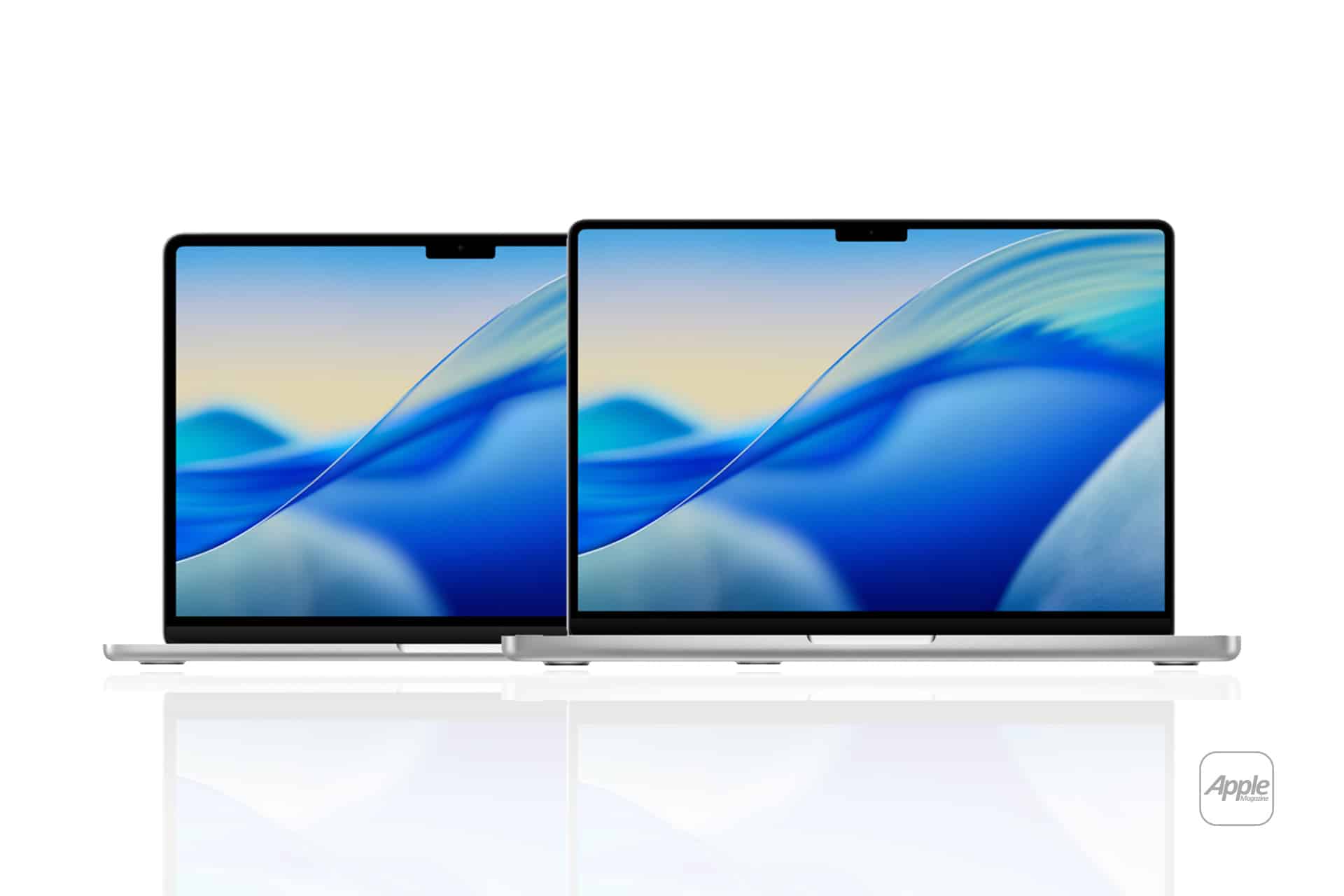
The Mac is exposed to that shift because unified memory is central to Apple silicon performance. The iPad is also affected as Apple pushes more models toward laptop-style capability, higher storage tiers and AI-ready hardware. Apple TV and HomePod price changes have drawn attention because those products sit in more price-sensitive categories, where competing streaming boxes and speakers often cost less.
The iPhone avoiding the latest increase is notable. It remains Apple’s largest revenue engine, and any price hike there would carry a much larger market reaction. Analysts are already watching whether Apple raises iPhone prices with the next major cycle, especially as foldable models, advanced cameras, larger storage tiers and AI features raise bill-of-materials pressure.
J.P. Morgan’s Bull Case Still Has Limits
J.P. Morgan’s higher Apple stock target does not remove the risk around hardware pricing. It reframes it. The firm appears to be treating the increases as a manageable margin event rather than a demand shock. That view can hold if Apple keeps unit demand stable, protects high-end configurations and avoids turning entry-level products into weak points.
The lower-cost MacBook Neo is one area to watch. Reuters reported that the price increase would move Apple’s lowest-priced laptop from $599 to $699 only months after launch. That change narrows the gap between Apple’s entry-level Mac strategy and cheaper Windows or Chromebook options, where price can shape buying decisions more directly.
MacBook Pro, Mac Studio and higher-end iPad buyers may be less sensitive. In those categories, customers often compare performance, display quality, battery life, software support and resale value rather than sticker price alone. A $100 or $200 increase may be easier to absorb when the device is used for work or kept for several years.
Services also help Wall Street look through hardware noise. Apple’s installed base supports App Store revenue, iCloud, AppleCare, Apple Music, Apple TV, payment services and other recurring streams. If hardware buyers remain inside the platform, higher device prices do not automatically weaken the longer revenue story.
The next earnings reports will show whether that confidence is justified. Investors will be looking at Mac and iPad revenue, gross margin, channel inventory, guidance language and any sign that customers are trading down.

Price Hikes Turn Into a Test of Product Mix
Apple’s pricing strategy now depends on mix as much as demand. Selling fewer low-end configurations and more premium models can support revenue even if total units soften. That has been a familiar pattern in the iPhone business, where Pro models often carry outsized influence on revenue and margin.
The same idea can work across Mac and iPad, but only if the entry points remain credible. Apple needs enough affordable devices to bring new customers into the platform, especially students, families and small businesses. At the same time, it wants higher average selling prices from users who need more memory, storage and performance.
That balance is why J.P. Morgan’s target hike stands out. The firm is not ignoring the price increases. It is betting that Apple can manage them through brand loyalty, platform lock-in, product segmentation and a customer base that often treats its devices as long-term tools rather than disposable electronics.
Apple’s stock reaction may stay uneven until the company gives investors more data. A raised price target helps sentiment, but the next test will come from actual sales patterns after the new prices settle across retail, education, enterprise and carrier channels. The most revealing number may not be unit volume alone, but whether customers keep choosing memory and storage upgrades even after the starting prices move higher.