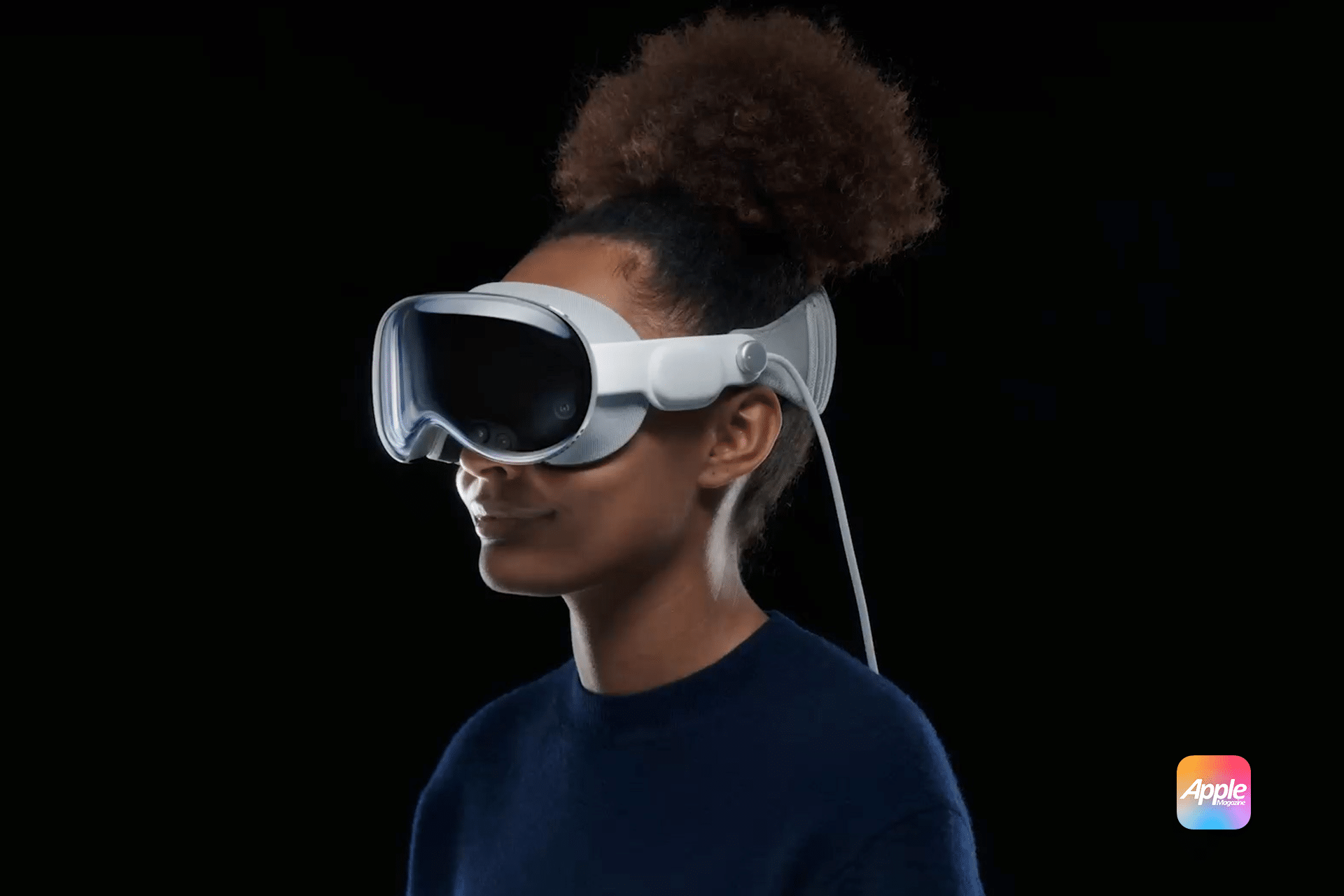
The spatial computing era didn’t arrive with fireworks. It slipped into daily life the way most meaningful shifts do — slowly, almost unnoticed. One moment we were tapping glass rectangles. The next, windows were floating in front of us, video calls felt closer than usual, and our workspace wasn’t limited to the size of a desk.
Spatial computing began as something experimental. Early demos felt impressive but distant from everyday life. Now, it’s finding its place in regular routines. Not replacing screens, but stretching them. Not erasing keyboards, but expanding where they live.
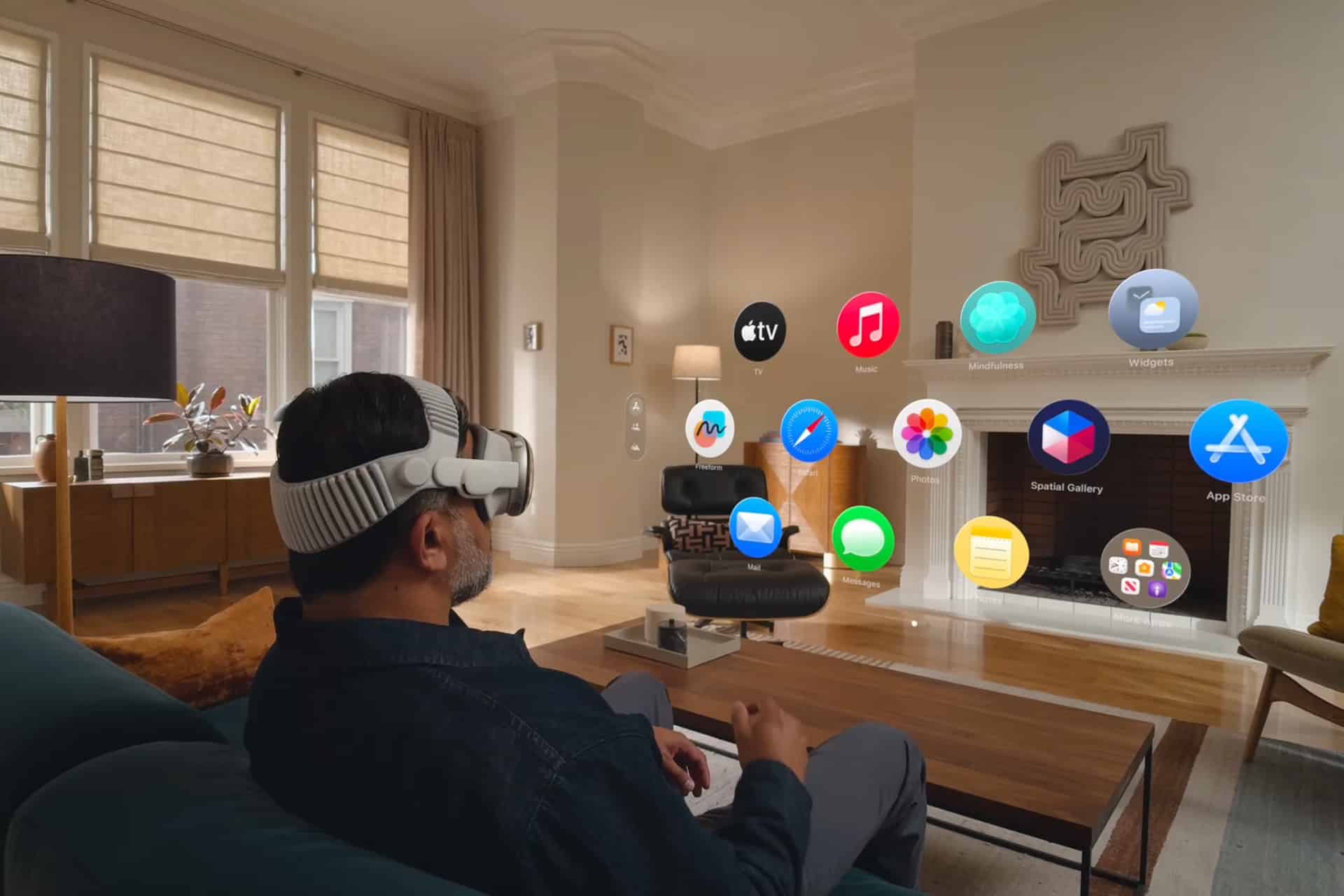
The first time you arrange multiple floating apps around your room, something clicks. Your email can sit to the left. Notes can hover near eye level. A movie can expand across an entire wall. It’s not about novelty. It’s about space — real, physical space becoming part of your digital workflow.

From Single Screen to Surrounding Workspace
For decades, productivity meant shrinking everything into a rectangle. Laptops grew thinner. Displays grew sharper. Tablets became lighter. But they all remained framed.
Spatial computing shifts that frame outward. Instead of minimizing windows, you position them. Instead of stacking tabs, you spread them around you. A coding project can float beside documentation. A presentation can expand as large as your living room wall. Your calendar doesn’t need to compete with your browser; it can live elsewhere in your field of view.
There’s something freeing about not being confined to a single display. It reduces the constant shuffle between windows. The environment becomes the interface.
Entertainment Feels More Present
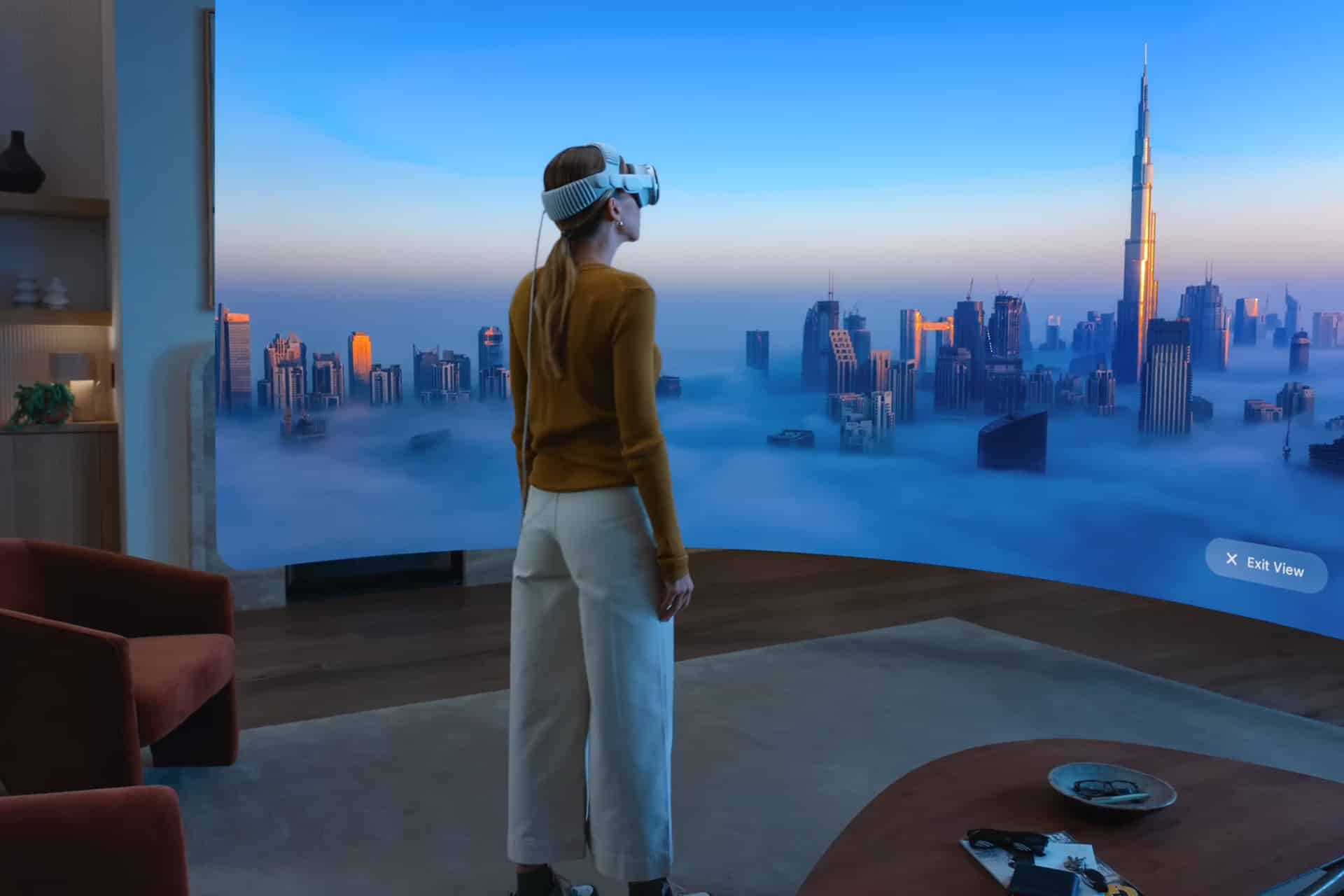
The spatial computing era also changes how we experience media. Watching a film isn’t just about higher resolution. It’s about scale and immersion. A scene can feel cinematic even in a small apartment. A sports broadcast can surround you. Concerts and live events gain dimension.
Spatial video recordings carry more depth. Memories feel layered instead of flat. Family clips feel closer to the moment they were captured. It’s not dramatic or exaggerated. It’s subtle, but noticeable.
Gaming also finds new ground here. Not necessarily in fully virtual worlds, but in mixed environments that blend digital overlays with physical surroundings. A living room becomes part of the scene instead of something that disappears.
Work Without Walls
Remote work quietly benefits the most. Video calls placed at eye level feel more natural. Documents can remain visible without shrinking into side panels. Creative work expands in ways traditional displays never allowed.
Designers can manipulate 3D models at scale. Editors can arrange timelines with more visual breathing room. Writers can keep reference material open without cluttering their primary view.
Spatial collaboration also evolves. Instead of sharing a single screen, people can interact within a shared digital space. It doesn’t feel like screen sharing; it feels like occupying the same workspace.
A Gradual Adoption
What’s interesting about the spatial computing era is how gradual it feels. It’s not replacing phones, tablets, or laptops overnight. Instead, it layers onto them. Your iPhone still matters. Your Mac still matters. But now they can project outward into something larger.
This layered approach keeps the ecosystem familiar. You’re not learning an entirely new language of interaction. You’re extending the one you already know.
Gestures remain intuitive. Eye tracking replaces cursors in subtle ways. Voice commands fill gaps where touch doesn’t make sense. The transition feels evolutionary, not abrupt.
Everyday Use Beyond Headsets
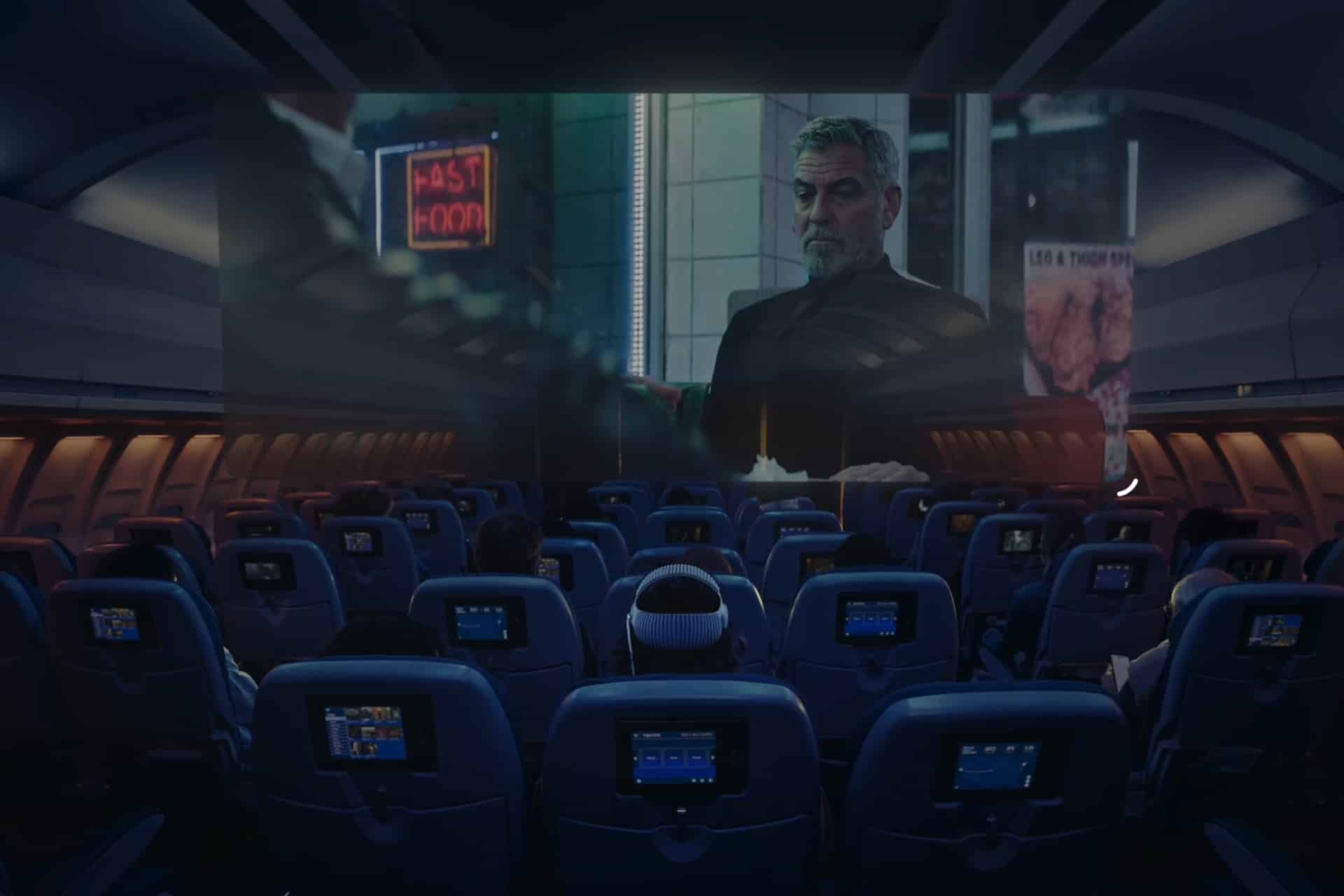
Spatial computing won’t stay limited to headsets. The underlying ideas — contextual awareness, layered interfaces, immersive content — will likely spread across devices.
Imagine your Mac automatically arranging windows in a 3D workspace when connected to certain displays. Imagine your iPad projecting layered controls while cooking. Imagine collaborative spaces that follow you between devices without manual setup.
The core concept is not hardware. It’s how digital information relates to physical space.
Living Between Physical and Digital
The spatial computing era isn’t about escaping reality. It’s about blending it with digital layers more naturally. Your desk remains your desk. Your room remains your room. But your digital tools stop being trapped inside glass.
We are moving from “looking at screens” to “working within space.” That shift doesn’t demand a dramatic announcement. It unfolds quietly as software improves, as hardware becomes lighter, and as more developers rethink how apps should exist in three dimensions.
And gradually, almost without noticing, we stop asking whether spatial computing is practical. It simply becomes another way we live and work — not futuristic, not niche, just part of the environment.