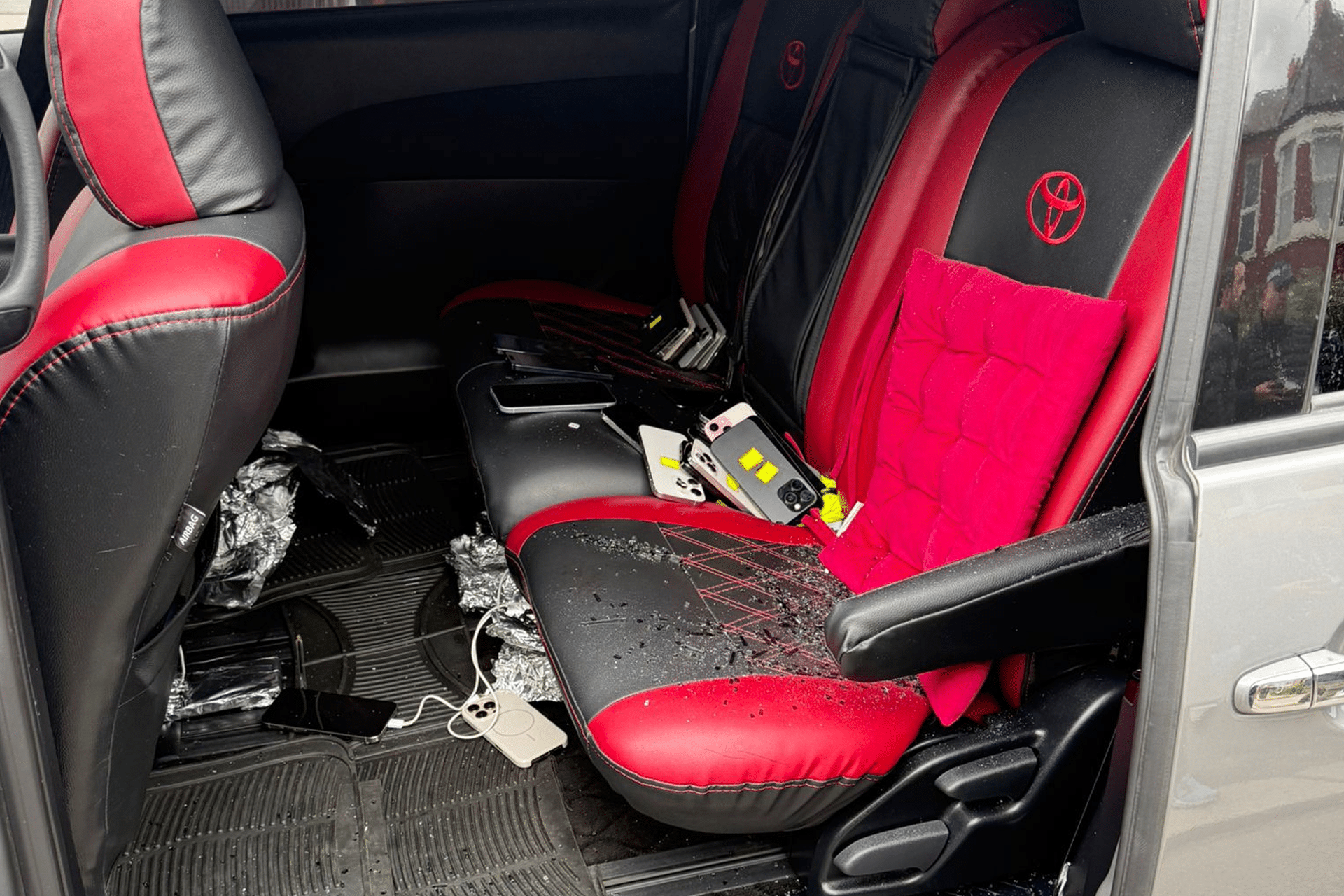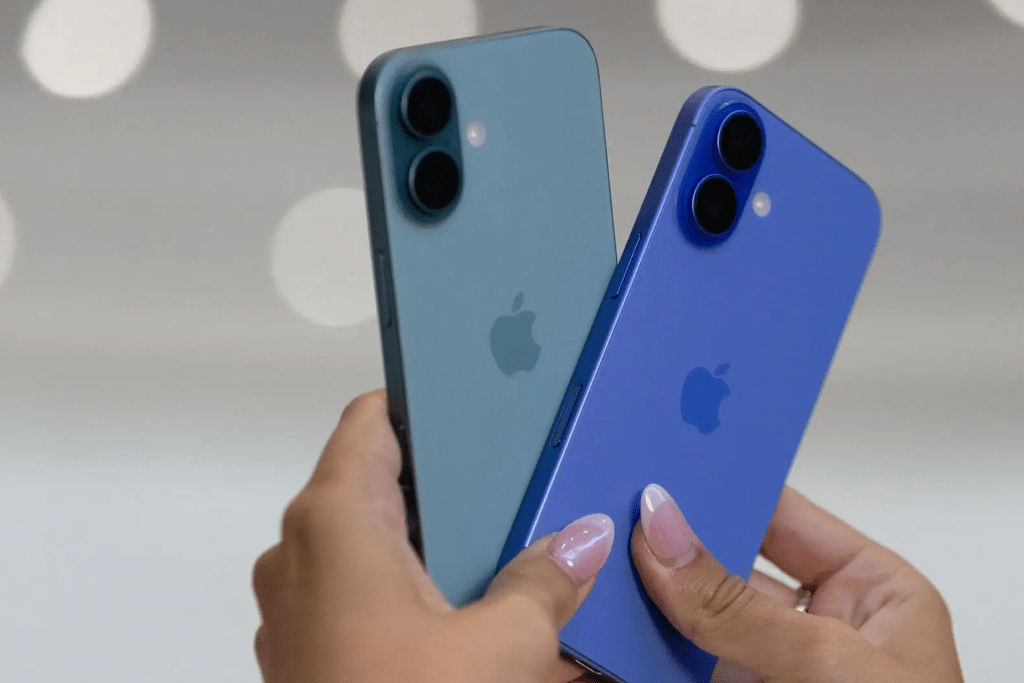
What began as a single phone theft on Christmas Eve has turned into one of the most remarkable criminal takedowns of the year. A London resident used Apple’s Find My feature to track their stolen iPhone, only to lead police directly to a warehouse near Heathrow Airport — packed with nearly 900 stolen devices bound for Hong Kong. That one alert set off Operation Echosteep, a massive police investigation that would go on to uncover an international smuggling network moving tens of thousands of stolen phones every year from the UK to China.
The Digital Trail That Busted a Global Crime Ring
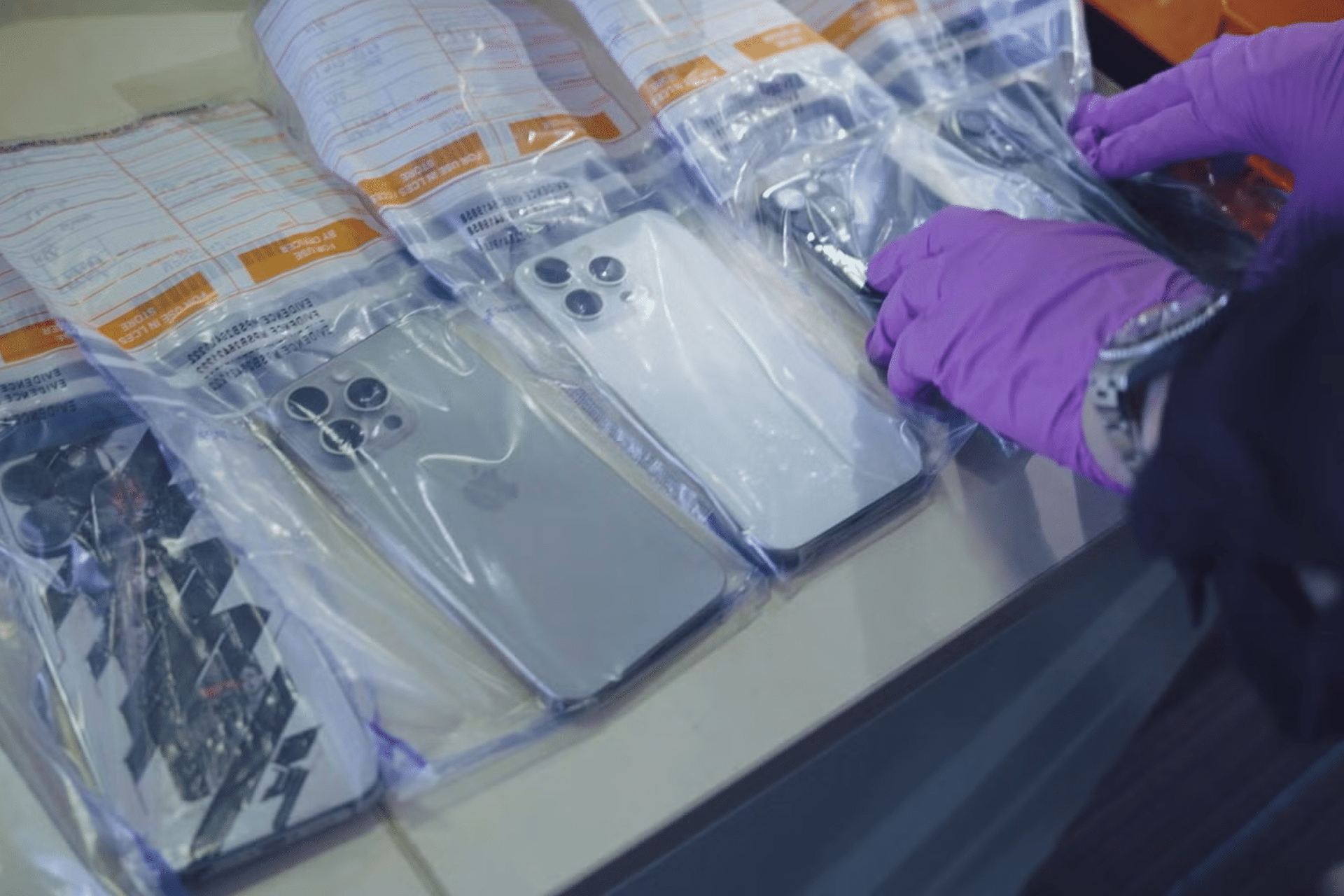
Apple’s Find My network, originally designed to help users recover misplaced devices, proved to be a crucial law enforcement tool. The stolen iPhone’s signal pointed investigators to a seemingly ordinary storage facility outside London. Inside, officers found box after box of smartphones — stacked, wrapped, and ready for export.
That discovery triggered a coordinated effort across 28 locations over the following months. By the end of the operation, police had made 46 arrests and recovered more than 2,000 stolen devices. Investigators estimate the network was moving up to 40,000 phones annually, funneling them to buyers in China’s booming secondhand electronics market.
The scale of the operation stunned authorities. The phones, stolen mostly by street thieves in London, were being smuggled out of the country for resale, each device fetching around £300 (about $400) on the black market.
How “Find My” Became an Unexpected Crime-Fighting Tool
Launched in 2010 as Find My iPhone, the feature was designed as a simple consumer tool — a safety net for forgetful owners. But in recent years, it has evolved into a powerful, decentralized tracking network that relies on the Bluetooth signals of millions of Apple devices around the world.
When a user marks a device as lost, it quietly pings nearby Apple products — iPhones, Macs, even AirTags — which relay its location back to iCloud. That network has helped recover lost AirPods, stolen bikes, and now, it seems, entire criminal shipments.
In this case, Find My’s data trail gave police enough cause to conduct a targeted search without delay, leading to the discovery of the smuggling operation. It’s one of the clearest examples yet of how consumer-grade technology can have unexpected power in criminal investigations.
The Hidden Industry Behind Stolen Phones
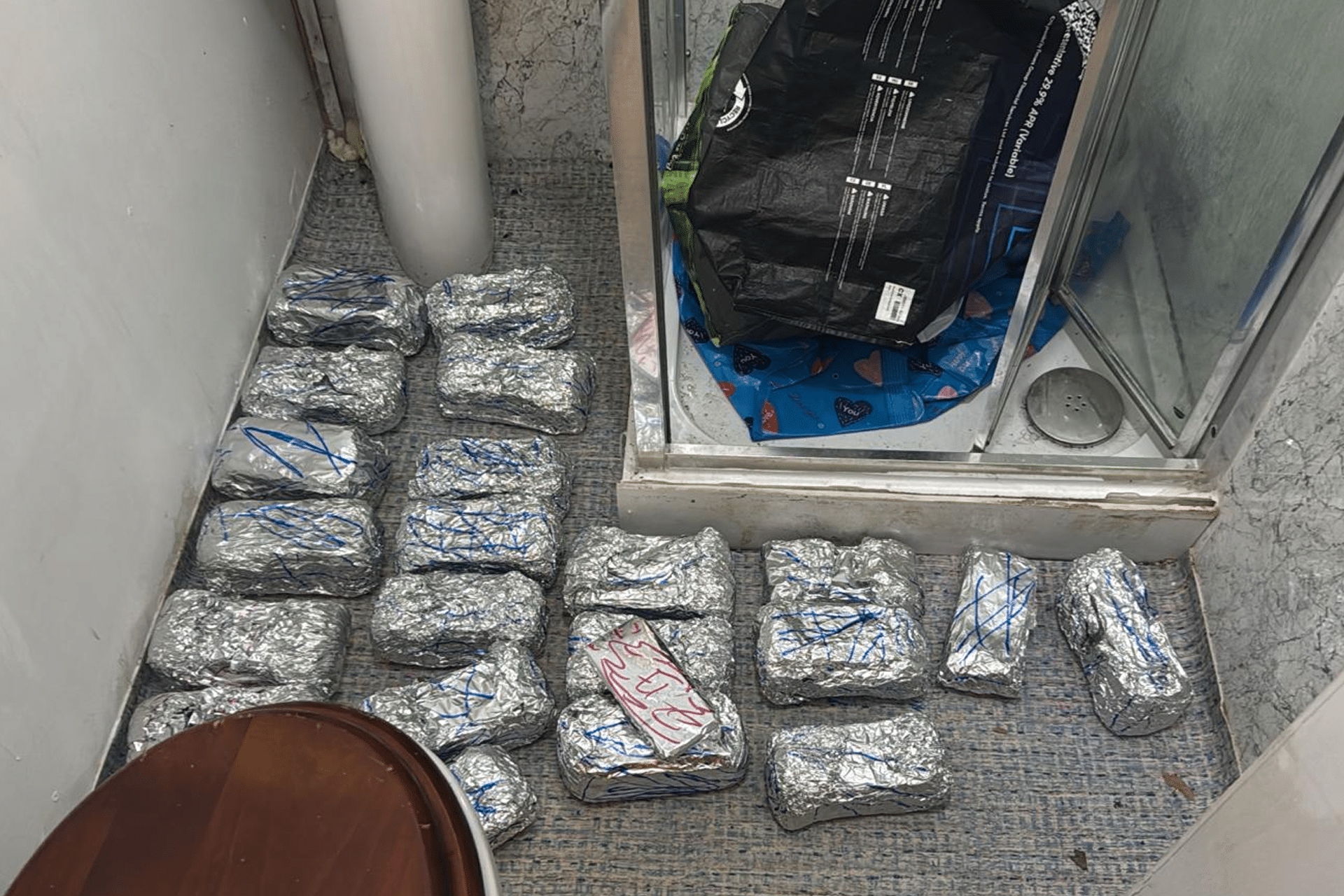
Phone theft has become a modern epidemic in London, where thieves on e-bikes snatch phones from pedestrians with astonishing precision. Many wrap stolen devices in aluminum foil to block tracking signals temporarily before transferring them to handlers who ship them abroad.
Even when a phone is activation-locked — meaning the thief can’t access the owner’s data — it still holds value. Parts such as screens, batteries, and cameras can be stripped and resold for up to 30% of the phone’s original value, according to a Financial Times report.
The city’s underground market operates with near-industrial efficiency, funneling devices through warehouses and shipping hubs before sending them overseas to be refurbished and resold.
Why the System Still Fails
While Find My can locate stolen devices, international smuggling exposes a key weakness in global enforcement. Each smartphone carries a unique identifier called an IMEI number. When reported stolen, that number can be added to a global blacklist managed by the GSMA (Global System for Mobile Communications Association). Carriers can use this list to block stolen phones from connecting to their networks.
The problem? Enforcement is inconsistent. Many countries simply don’t participate, allowing blacklisted devices to function normally once shipped overseas. That loophole keeps the black market alive — and extremely profitable.
During a Parliamentary hearing in June, UK lawmakers pressed Apple and Google to take stronger action, suggesting they should block GSMA-blacklisted devices from signing in to iCloud or Google accounts.
“You can stop this by blocking IMEIs on the GSMA blacklist, and you’re just deciding not to do so yet,” said Member of Parliament Martin Wrigley, calling for tougher corporate responsibility.
Such a move would effectively “brick” stolen phones worldwide, destroying their resale value and discouraging theft altogether.
The Government Steps In
Facing rising pressure, the UK government introduced a new Crime and Policing Bill earlier this year. The legislation gives police authority to enter properties and conduct searches where geolocation data from Find My or similar services suggests stolen devices are present — without needing a warrant.
The change aims to accelerate recoveries and disrupt organized theft rings before devices disappear across borders.
How to Protect Yourself
Until global enforcement improves, iPhone users can take a few key precautions:
-
Keep Find My iPhone enabled at all times.
-
Use Activation Lock to prevent unauthorized access.
-
Avoid using your phone openly in crowded or high-risk areas.
-
Enable Lost Mode immediately if your phone is stolen — it can alert authorities and pinpoint a location faster.
And perhaps most importantly, stay aware. Phone theft is often opportunistic, and small behavioral changes — using headphones, keeping devices in inner pockets — can make a real difference.
Apple’s Find My system has evolved into more than just a convenience feature; it’s become a quiet ally in the fight against digital-age crime. And as this case shows, sometimes all it takes is one determined user — and one stolen iPhone — to bring an entire criminal empire crashing down.