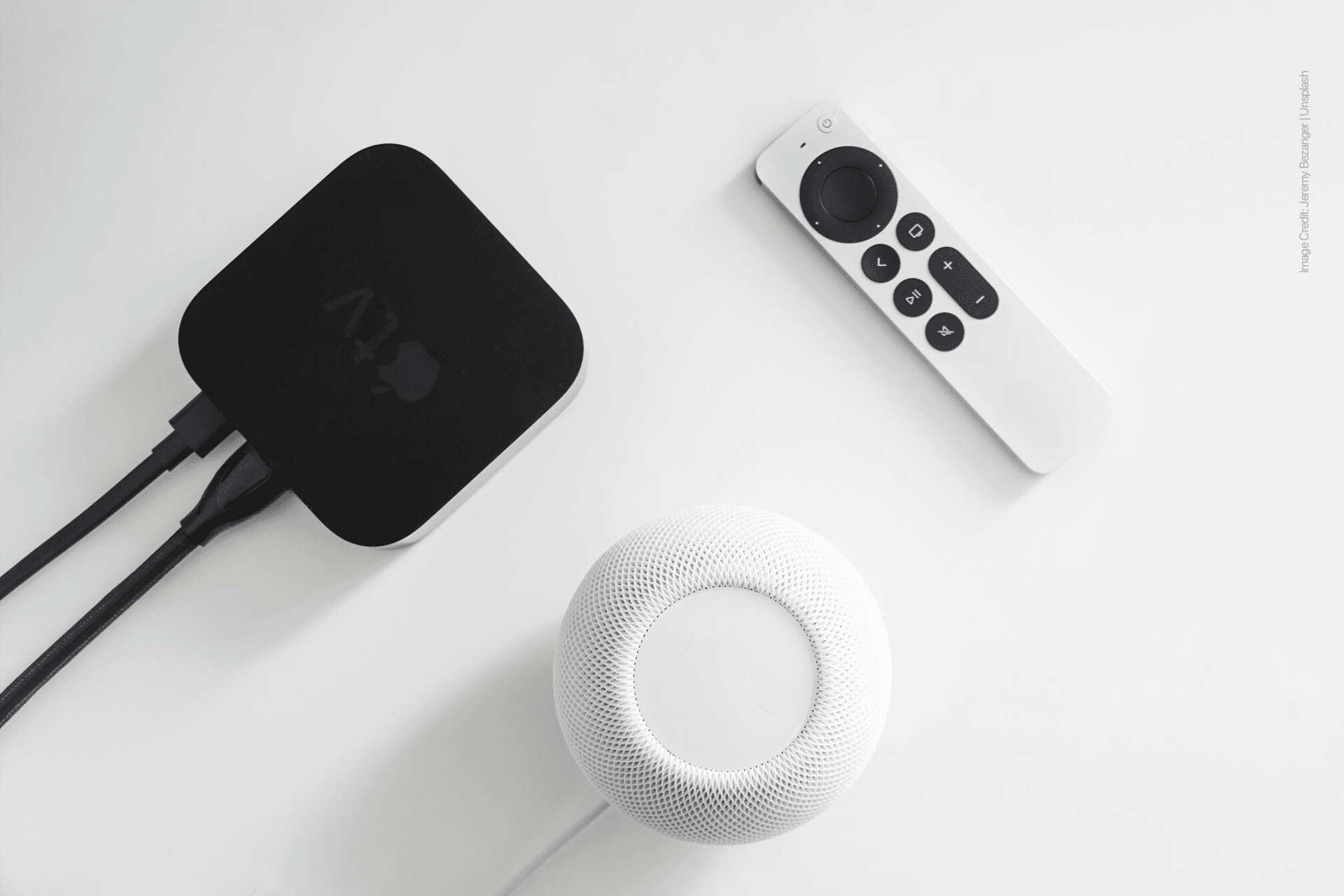
Apple TV competition may become one of the more interesting parts of Apple’s next chapter under John Ternus. Most of the attention around his arrival as Apple’s next CEO has focused on hardware, artificial intelligence, Siri, and the larger question of how Apple plans to move through the next platform shift. That makes sense. Ternus built his reputation inside hardware engineering, not inside Hollywood. But one detail from recent reporting suggests that streaming may also receive more attention than many expected.
According to Deadline, people familiar with the matter describe Ternus as a user of Apple’s streaming service who wants to make it more competitive. That is a small sentence, but it opens a bigger discussion. Apple TV has already earned respect, prestige, and critical recognition. What it has not fully earned yet is the kind of central place in streaming culture that belongs to the largest services. The issue is no longer whether Apple TV can produce acclaimed shows. The issue is whether Apple wants the service to fight harder for daily relevance.
That question matters because Apple TV sits in a very different position from most of Apple’s other businesses. The iPhone is already foundational. The Mac regained major momentum through Apple Silicon. Apple Watch and AirPods became category leaders. Services as a whole turned into a giant recurring-revenue machine. Apple TV, by contrast, still feels like a premium service with strong taste and strong reviews that has not yet fully converted that reputation into a larger sense of inevitability. It is respected, but it is not always unavoidable. That leaves room for a new CEO to push.


Apple TV Competition Is About More Than Prestige
Apple TV competition is not really a debate about quality anymore. Apple has already shown it can make and distribute serious streaming content. The platform built a brand around carefully selected originals, high production standards, prestige dramas, documentaries, family programming, and an expanding sports presence. It has won awards, generated critical praise, and strengthened Apple’s standing in entertainment.
The problem is that streaming is no longer won through prestige alone. It is won through habit, volume, rhythm, visibility, pricing, bundling, sports, franchise strength, recommendation systems, and the ability to remain part of a household’s default monthly viewing routine. This is where Apple TV still has room to grow.
A service can be admired without becoming essential. Apple TV has often lived in that exact space. Many viewers associate it with quality, but not always with constant momentum. Other services dominate by scale, library depth, or cultural saturation. Apple TV tends to dominate conversation only when a standout title breaks through. That makes the service look sharp, but sometimes also too selective for the pace of the broader streaming market.
If Ternus really wants to make Apple TV more competitive, then the goal is likely not to abandon quality. The goal is to turn quality into stronger market position. That could mean more visible release cadence, stronger brand identity, a bigger sports role, smarter ecosystem integration, and a more aggressive push to make Apple TV part of everyday viewing behavior rather than a service people visit only for a few specific titles.
Why John Ternus May See the Opportunity Clearly
John Ternus is an unusual executive to watch in this space, which is part of what makes the story so interesting. He is not entering the CEO role with a background in entertainment deals or media branding. He comes from hardware engineering. Reuters described him as the longtime Apple product executive behind major hardware efforts across Mac, iPhone, iPad, Apple Watch, AirPods, and other devices. That profile sounds, at first glance, far away from streaming.
But Apple does not operate its services as isolated businesses. Apple TV is not only a streaming app. It lives across iPhone, iPad, Mac, Apple TV 4K, smart TVs, streaming devices, game consoles, and Apple Vision Pro. It is tied to Apple One, the Apple TV app, sports distribution, subscriptions, payments, and the broader account-based ecosystem Apple has built over the years. A hardware-minded CEO may see Apple TV not as a separate entertainment island, but as another layer of the Apple experience.
That perspective matters. A stronger Apple TV does not only improve content revenue. It strengthens the ecosystem itself. The more Apple users watch through Apple’s own service and interface, the more the company keeps attention, engagement, and subscription value inside its own platform. That becomes strategically important in a world where services help hold the ecosystem together between hardware purchases.
The report that Ternus is personally a user of the service is also worth taking seriously. Leaders often spot product weaknesses more clearly when they live with them. Someone who regularly opens Apple TV will notice whether the interface feels central enough, whether the release schedule feels too quiet, whether discovery feels strong enough, and whether the service still lacks the urgency of the biggest streaming players. These are product questions, and Ternus has spent his career around product questions.


How Apple TV Competition Could Be Improved
The easiest assumption is that making Apple TV more competitive means spending more money on shows. That may be part of the strategy, but it is too narrow. Apple’s opportunity is broader than content volume alone.
The first opportunity is interface position. Apple already has the Apple TV app, which can function as a wider viewing hub rather than just a doorway to Apple originals. Apple has spent years building the app around aggregation, connecting Apple’s own content with subscriptions, channels, purchases, rentals, and sports. In an era of subscription fatigue, that role may become more valuable. If Apple can make the TV app feel like the cleanest place to manage fragmented streaming, then Apple TV grows stronger even without trying to mimic the scale of Netflix.
The second opportunity is sports. Apple has already shown that sports can give the service a different identity and stronger weekly habit. Sports rights and sports integration create recurring engagement in a way prestige dramas do not. A more competitive Apple TV may rely more heavily on sports as one of the service’s strongest anchors.
The third opportunity is ecosystem promotion. Apple controls major devices and operating systems. If the company decides that Apple TV deserves more attention, it can place that service more intelligently across iPhone, iPad, Mac, Siri, Apple One, Apple TV 4K, and even CarPlay or Home experiences where relevant. That does not mean becoming intrusive. It means finally using Apple’s ecosystem advantage more forcefully.
The fourth opportunity is rhythm. Streaming competition is often about consistency. Viewers return to the services that always seem to have something new, something familiar, or something live. Apple TV does not necessarily need to become louder. It may simply need to become harder to forget between its biggest releases.
Why This Matters in the Ternus Era
Apple is entering a transition moment where every part of the company will be read differently. Ternus takes over from Tim Cook at a time when artificial intelligence dominates the technology conversation, but Apple’s next era will not be judged by AI alone. It will also be judged by whether the company can sharpen the parts of the business that still feel respected more than dominant.
Apple TV fits that description perfectly. It is already credible. It already has a brand. It already has technical reach across Apple’s devices. What it still lacks is a stronger feeling of market force. If Ternus sees that clearly, then Apple TV could become one of the first services where his leadership style starts to show.
That does not mean Apple TV will suddenly try to become everything for everyone. Apple has never been strongest when copying rivals at full scale. It tends to move by taking a category, narrowing the experience, and trying to make its version cleaner, tighter, and more habit-forming than what already exists. Under Ternus, Apple TV competition may become exactly that kind of effort.
A more competitive Apple TV would not only improve Apple’s standing in streaming. It would also show that the incoming CEO understands Apple’s next phase has to be broader than hardware launches alone. In a company where services increasingly help define retention, identity, and daily engagement, streaming can no longer be treated as a prestige side business. If Ternus wants Apple TV to compete harder, that may be one of the clearest signs yet that he intends to push every part of Apple that still has room to become more central.