
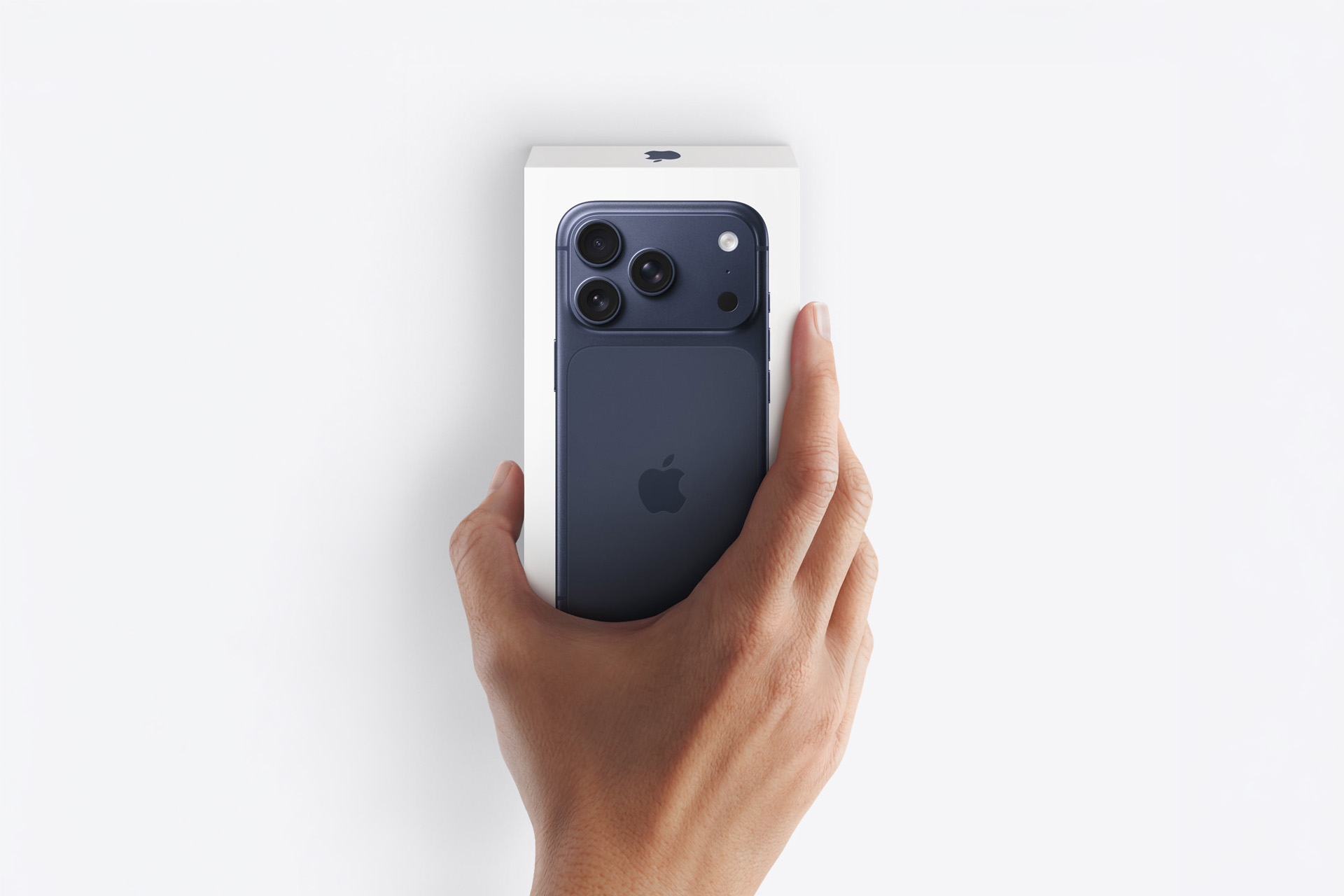
Apple unboxing begins long before a customer touches the lid. It starts inside Apple’s industrial design studios, where packaging is treated not as an afterthought but as an extension of the product itself. The box is engineered to mirror the device’s personality: minimal, precise, controlled.
This philosophy was heavily influenced by Steve Jobs. Former Apple executives have described how Jobs obsessed over every stage of customer interaction, including the moment a product left its box. For Jobs, the box was the first physical handshake between Apple and the user. He reportedly insisted that packaging should “feel like a gift,” even when someone was buying the product for themselves. That mindset elevated packaging from logistics to experience design.
Jobs worked closely with design chief Jony Ive, whose team refined proportions, textures, and finishes not only for devices but for the packaging that housed them. Ive’s minimalist approach carried into the box design — clean surfaces, careful typography, and disciplined restraint. Nothing unnecessary. Nothing loud.
The Slow Reveal
Apple unboxing is famous for one subtle mechanical detail: the controlled air resistance when lifting the lid. The box does not pop open abruptly. It rises slowly, creating a pause between anticipation and reveal.
That delay is engineered. Tolerances between lid and base are calculated so air pressure regulates the opening speed. The result is not merely functional; it builds expectation.
Jobs was known to test packaging personally. According to former Apple designers, he would repeatedly open and close prototypes, evaluating friction, sound, and pacing. The opening experience had to feel intentional. That attention to detail set a standard that remained embedded in Apple’s culture long after his passing.
When the lid clears the base, the device is revealed immediately, positioned precisely at the top. There is no chaotic layering. The product appears centered, framed, almost displayed rather than stored.
Materials and Texture
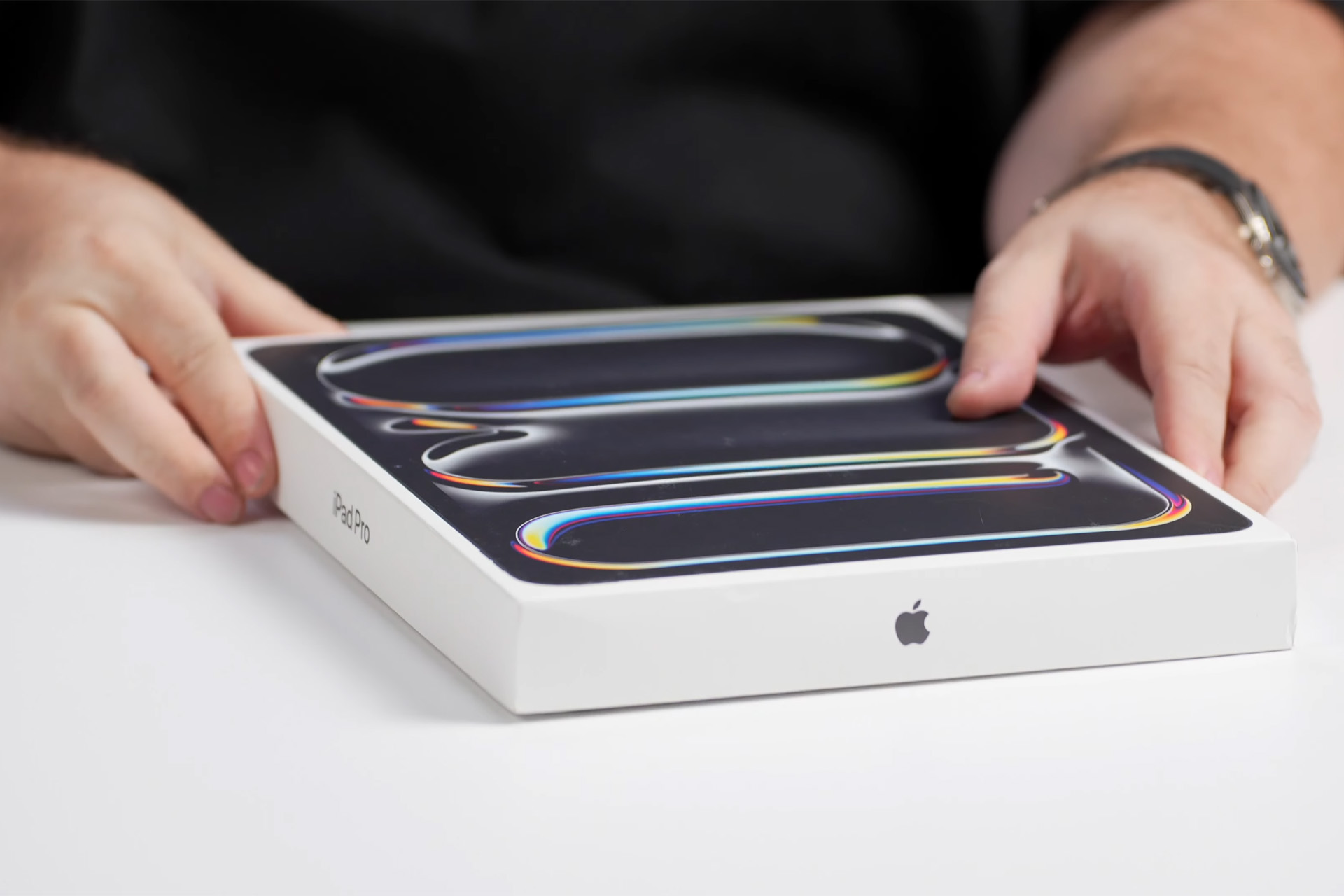
Apple unboxing depends heavily on tactile sensation. The paperboard is thick, matte, and finely finished. The texture avoids gloss where unnecessary. Edges are sharp and aligned.
Internal trays are molded to hold devices tightly, preventing movement while maintaining visual symmetry. Plastic has gradually been reduced in favor of fiber-based materials as Apple pursued environmental commitments.
Instruction cards are minimal. Cables are wrapped deliberately. Each element has its own compartment, preserving order.
This level of refinement reflects a broader leadership principle that extended beyond Jobs. Successive design leaders maintained a strict internal standard for packaging quality. Under Tim Cook’s tenure, operational precision ensured that the sensory experience remained consistent across global production runs, even as volumes scaled dramatically.
Sound and Silence
Apple unboxing includes an acoustic component. The slow separation of lid and base produces a soft friction sound. Internal paper components rustle lightly. Nothing rattles.
There are no excessive inserts. No crinkled plastic. The absence of noise reinforces precision.
The design team historically treated these subtle cues as part of the brand. The sound of opening a MacBook box or peeling protective film is not random; it results from controlled material thickness and tension.
Scent and First Contact
Though rarely discussed formally, scent plays a subtle role in Apple unboxing. Fresh paperboard, adhesive curing, and new electronic components produce a distinct smell that has become associated with brand new Apple devices.
Once the protective film is removed from the device screen or enclosure, the user encounters the product surface directly. Aluminum feels cool. Glass reflects light sharply. The device is positioned so that the first grip is natural, not forced.
This choreography shapes memory. First contact becomes associated with smooth surfaces and restrained design.
Minimalism as Identity
Apple unboxing reflects Apple’s broader design philosophy: reduction rather than addition. Boxes rarely contain excessive accessories. Over time, power adapters and headphones were removed from many product boxes, shrinking packaging size.
This decision reduced shipping volume and material use, aligning logistics with environmental goals while reinforcing minimalism.
Packaging graphics follow the same rule. Typography is restrained. Imagery highlights the device silhouette rather than lifestyle photography.
Cultural Influence
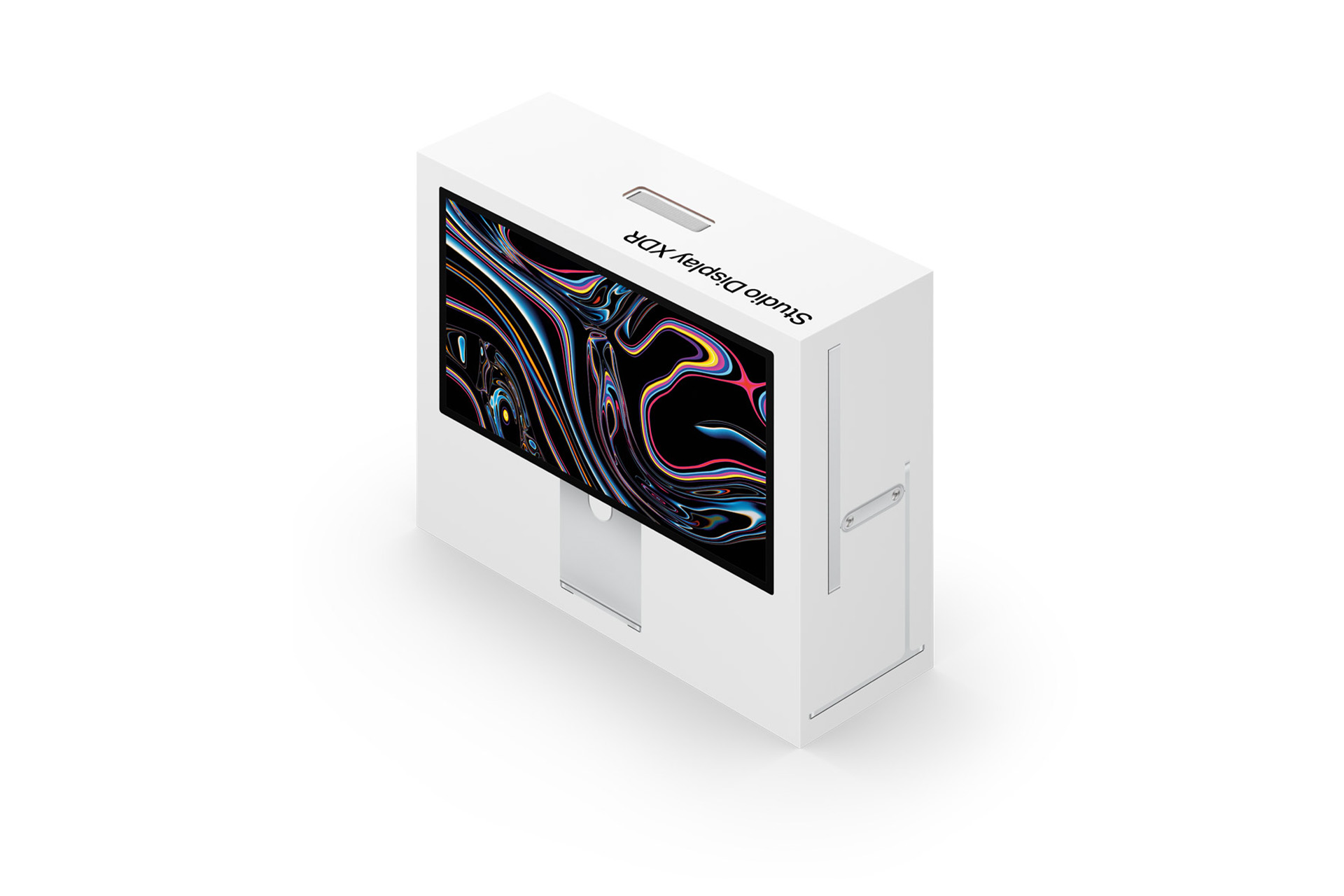
Apple unboxing has influenced consumer behavior globally. Online “unboxing videos” became a category partly because Apple boxes offered visual drama without complexity.
Consumers film the moment not simply to show the product, but to share the reveal sequence. The pacing translates well to camera because it is inherently structured.
This phenomenon reinforced Apple’s brand presence across digital platforms without direct advertising expenditure tied to packaging itself.
Engineering Behind the Experience
Apple unboxing requires precise manufacturing tolerances. Boxes must be produced at global scale with consistent fit. Slight deviations in paper thickness or humidity can affect lid resistance.
Supply chain partners specialize in premium-grade packaging materials. Die-cutting precision and print alignment must meet strict tolerances to maintain uniformity across millions of units.
As sustainability standards increased, Apple adjusted materials to reduce plastics while preserving the reveal mechanism. Fiber-based pulls and molded inserts replaced some plastic trays without compromising rigidity.
From Steve Jobs’ insistence on perfection in every layer of the product to the continued discipline under later leadership, Apple unboxing remains a carefully engineered introduction to the device itself — a structured experience designed to communicate quality before a single pixel lights up.


