Over the past decade, Apple has transformed from a company primarily known for hardware — iPhone, Mac, iPad — into one where services and subscriptions are central to growth. This shift is no accident. Apple’s subscription model is now its most powerful revenue engine because it blends recurring income, ecosystem lock-in, and strong user engagement into a business model that doesn’t depend on one-time hardware sales.
Subscriptions make Apple’s revenue more predictable. Hardware sales can fluctuate with product cycles, global supply issues, and economic pressure. Subscriptions, in contrast, deliver recurring income every month or year. This steady cash flow smooths seasonal swings and provides financial stability even when hardware shipments soften.


The Subscription Explosion
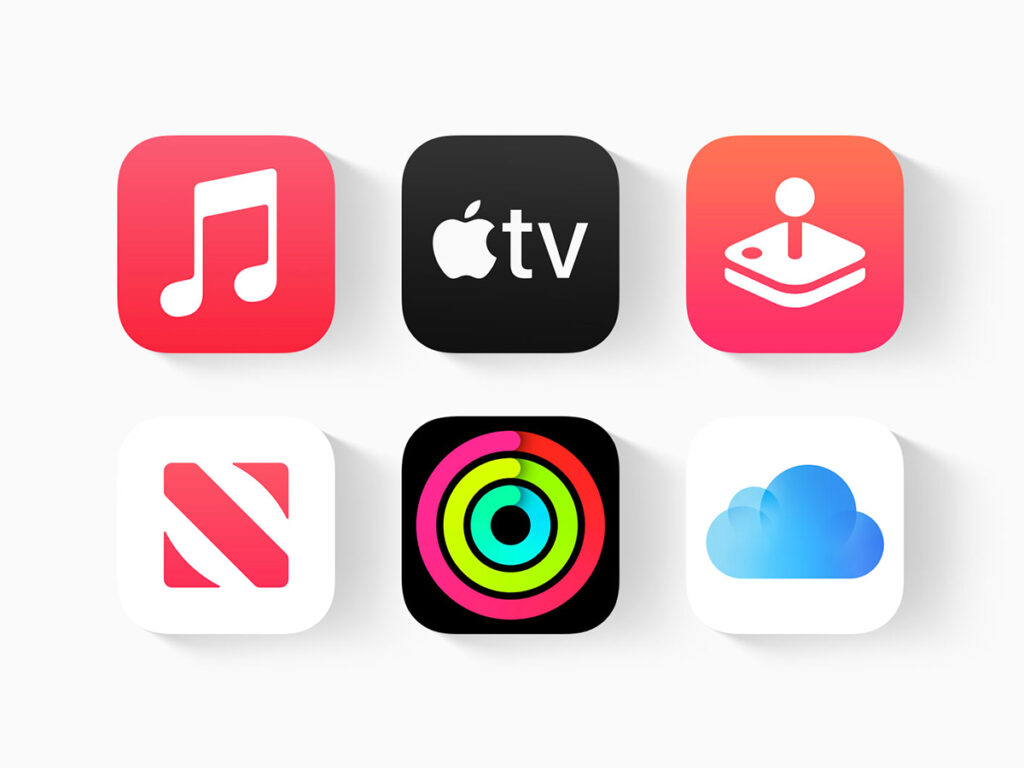
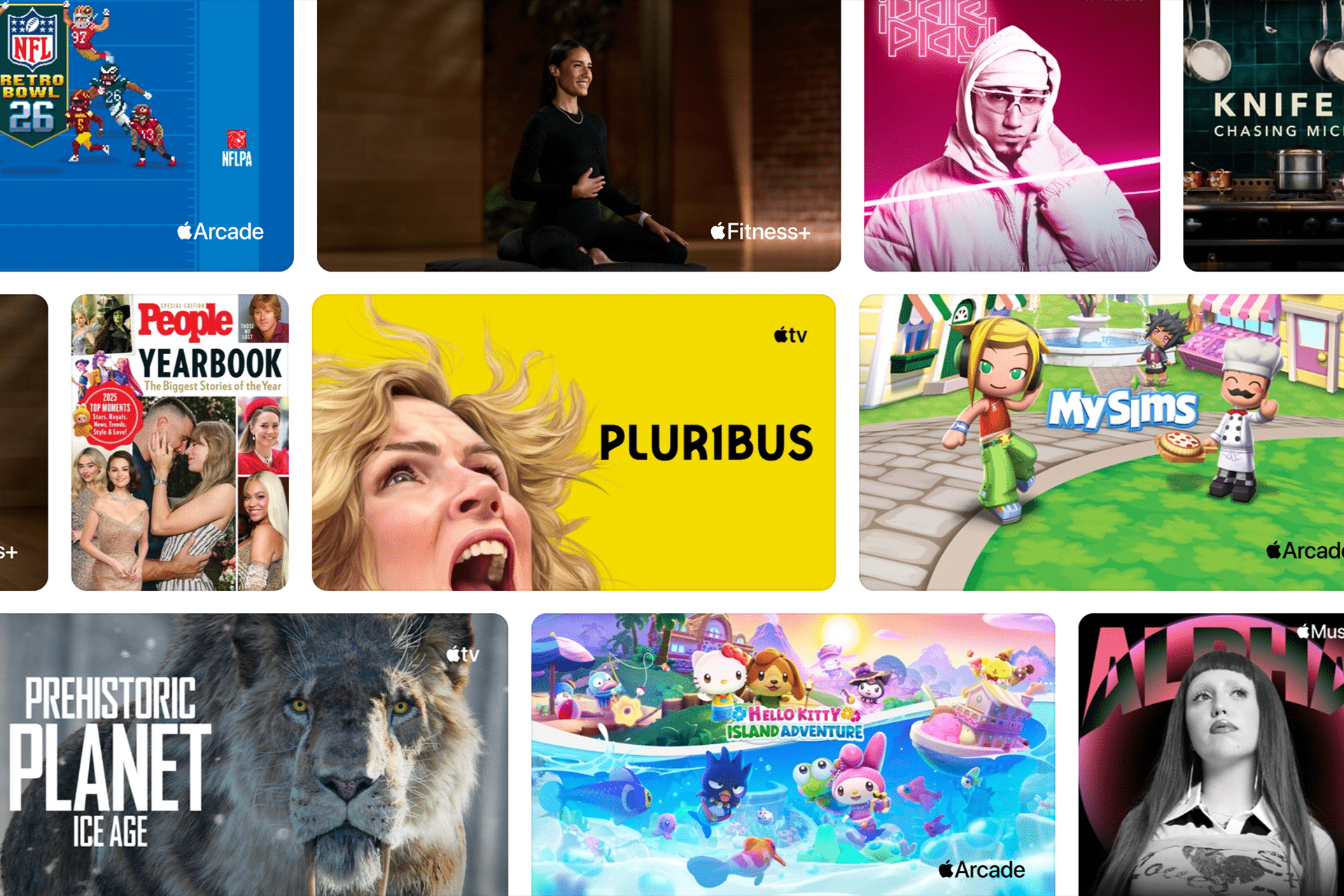
Apple’s services portfolio spans a wide range of digital experiences, including Apple TV, Apple Music, iCloud, Apple Arcade, Apple Fitness+, and Apple News+, among others. Apple also recently consolidated many of these into Apple One, a bundle that lets users subscribe to multiple services at a lower overall cost. By packaging services together, Apple increases Average Revenue Per User (ARPU) and encourages customers to spend more inside Apple’s ecosystem.
Subscribers benefit too. Instead of managing multiple apps and billing systems, users have one hub where their subscriptions live, renew, and can be managed with ease. This simplicity builds loyalty and reduces churn — a challenge that many subscription businesses face.
A Revenue Powerhouse
Revenue from Apple’s services has grown significantly over the years. It now represents one of the largest and most profitable segments of Apple’s overall business, rivaling even the iPhone in annual returns. Services revenue typically carries higher margins than hardware, meaning more of each dollar goes to Apple’s bottom line.
The model works because Apple provides value across categories. Music streaming, cloud storage, games, video content, fitness classes, productivity tools, and more all become ongoing sources of income. Each service attracts a different kind of user, expanding Apple’s reach across lifestyles and age groups.
Lock-In That Isn’t Forced
Some critics frame ecosystem lock-in as a negative. Apple’s approach isn’t about trapping users in a prison of subscriptions. It’s about creating ongoing value that users want to keep because it enhances the experience of owning Apple devices.
Once a user has Photos backed up in iCloud, likes curated playlists in Apple Music, watches shows on Apple TV, and plays games on Apple Arcade, canceling all of that becomes a noticeable change in their daily digital life — not just a billing line going away.
Bundles and Upsell
Apple One plays a central role in the subscription strategy. By bundling services like iCloud, Apple Music, Apple TV, and Apple Arcade — and in higher tiers including Apple Fitness+ and Apple News+ — Apple increases the per-user value and reduces friction for users to adopt more services. Instead of subscribing to each service individually, the bundle makes it easier and cheaper to add more.
That drives two important outcomes: higher lifetime value and lower churn rates. Users who bundle are more likely to keep multiple services active because they get more value overall than subscribing to only one or two.
Driving Engagement Across Devices
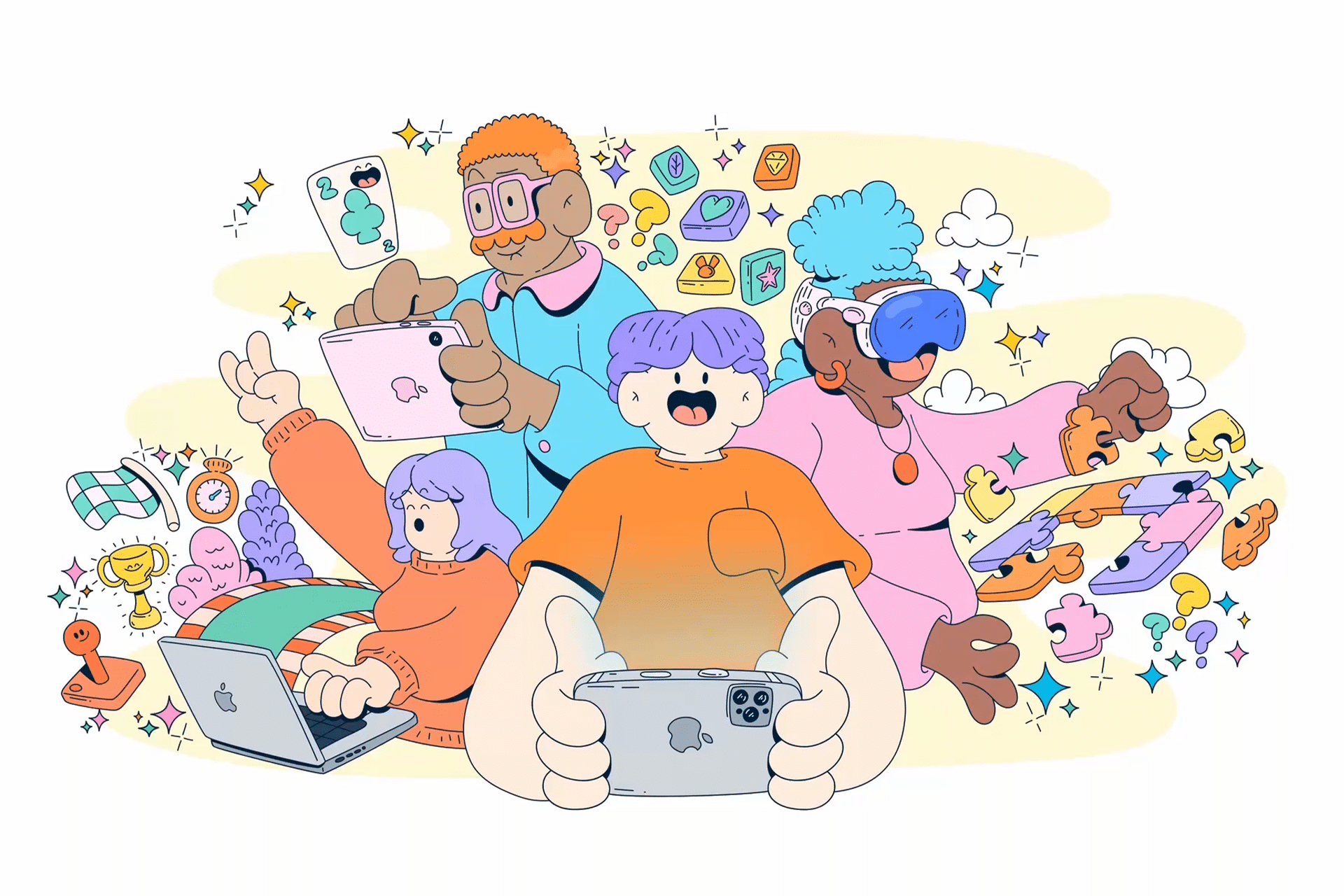
Subscriptions also deepen engagement across Apple devices. A user with Apple Music and Apple TV is more likely to stay inside Apple’s ecosystem because their playlists and Watch history sync across iPhone, iPad, Mac, CarPlay, and HomePod. A user with iCloud storage keeps photos, files, and backups connected across devices automatically.
This multi-device engagement reinforces loyalty and makes Apple services feel integral to daily life rather than optional add-ons.
The Future
Apple’s subscription ecosystem continues to evolve. New services, region expansions, and localized offerings bring incremental growth. Apple’s ability to integrate services with hardware and software — from Apple Pay to Apple Intelligence and more — keeps the subscription model central to its long-term strategy.
Rather than relying solely on product launches, Apple now earns predictable, diversified income that supports innovation and investment across its services portfolio.