


Apple TV records are becoming more important to Apple’s media strategy because the service is no longer only trying to prove that Apple can make prestige television. It is trying to become a broader entertainment destination built around original series, films, awards, live sports, and deeper placement inside the Apple ecosystem.
The latest signals point in that direction. Apple TV set a new monthly engagement record in December, with total hours viewed up 36 percent year over year, according to Eddy Cue, Apple’s senior vice president of Services. The same period was lifted by “Pluribus,” which Apple described as its biggest series to date, giving the service another high-profile title beyond earlier hits such as “Ted Lasso,” “Severance,” “Silo,” and “Slow Horses.”
Awards are reinforcing the same strategy. Apple TV’s “The Studio” landed a 2026 BAFTA Television Award in the International category, becoming the most-awarded series of the year and the most-awarded freshman comedy in history, according to Apple. The show’s run matters because Apple has always used quality recognition as a way to separate itself from larger streaming libraries. The company does not have the deepest catalog, but it has built a reputation around premium originals that can travel through awards seasons and cultural conversation.
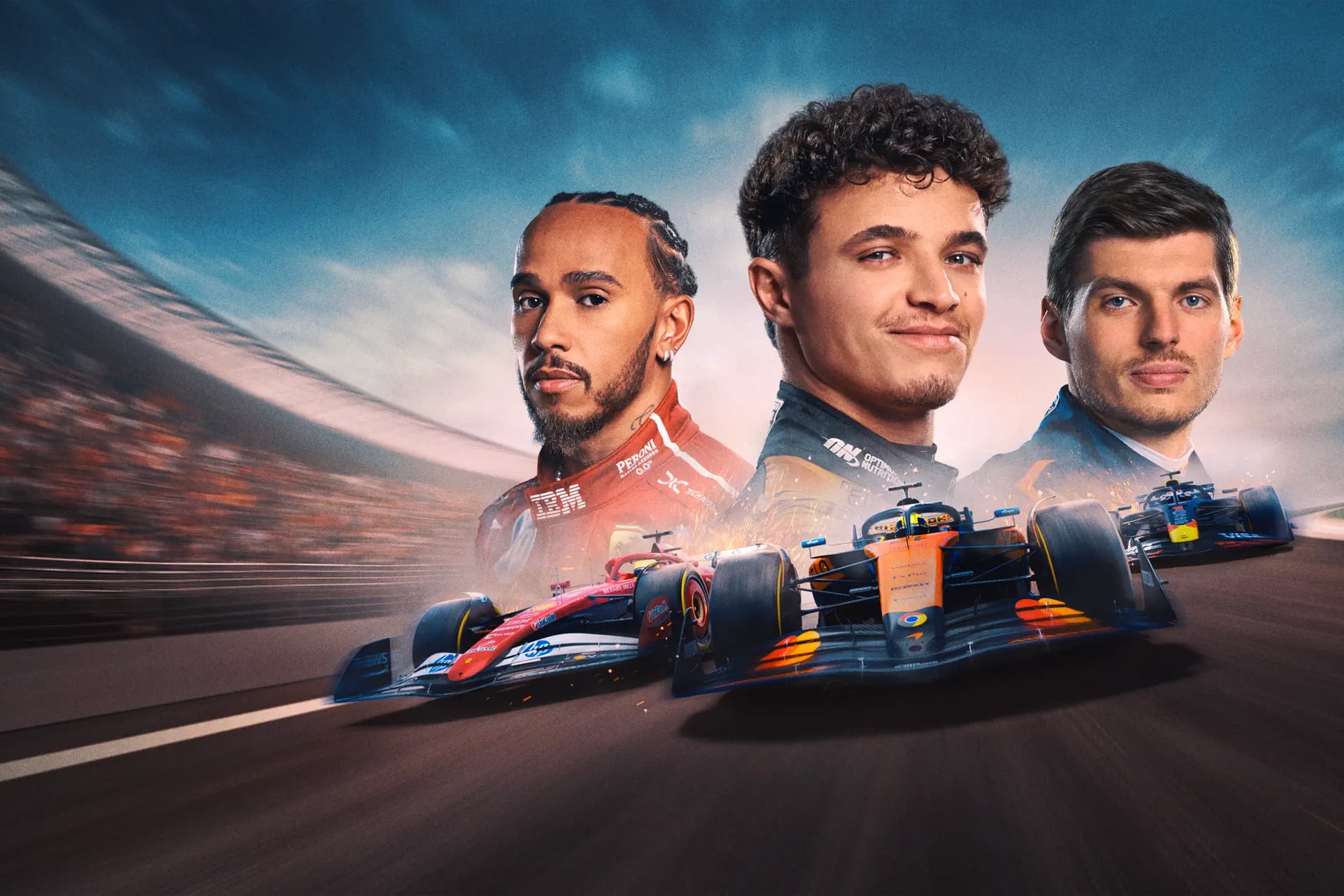
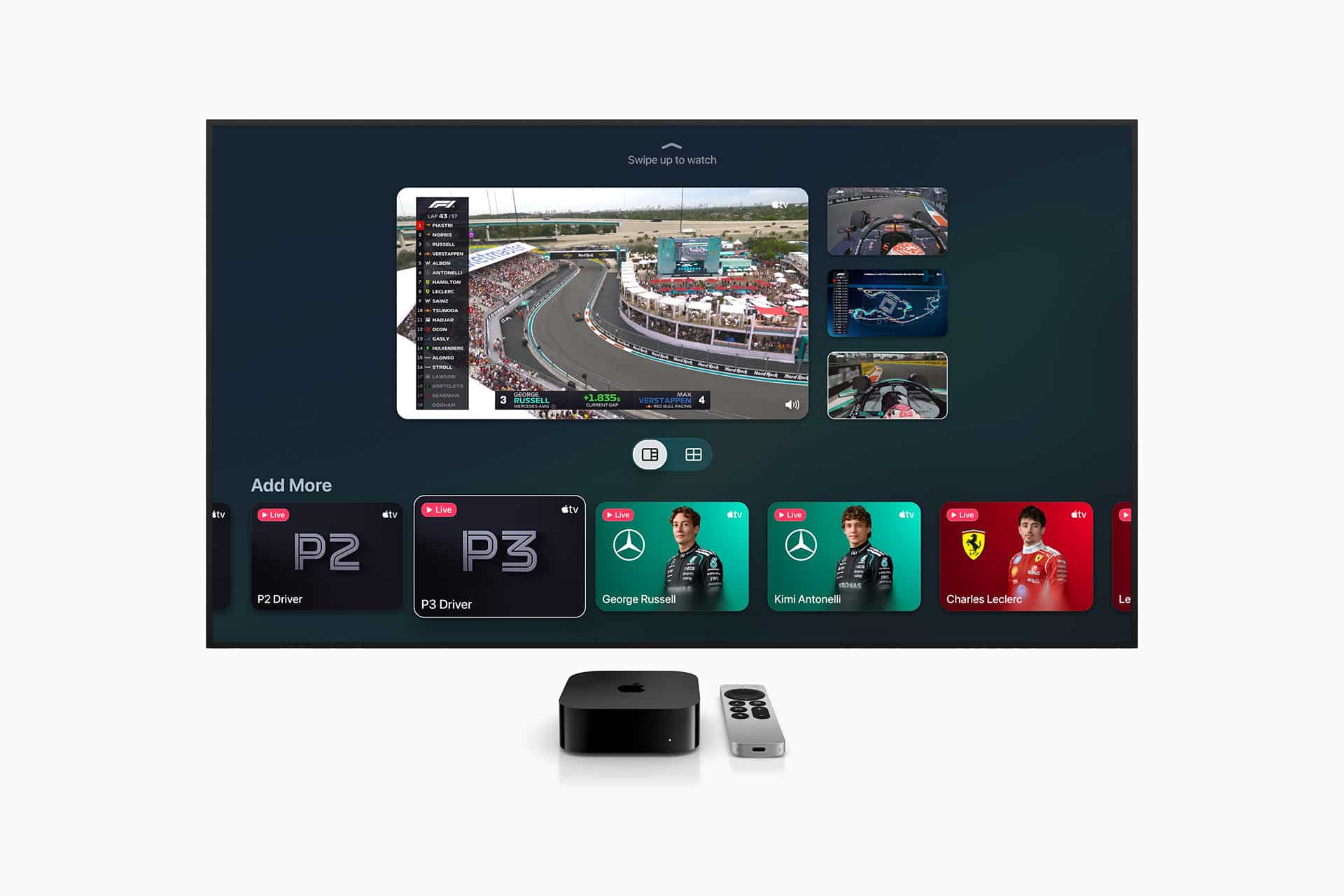
The bigger shift is sports. Apple TV is now the U.S. home for Formula 1, with a five-year deal covering every Grand Prix live and on demand, along with practice, qualifying, and Sprint sessions. Major League Soccer also moved into the main Apple TV subscription in 2026, ending the separate Season Pass model and making all matches available to subscribers at no additional cost. That combination gives Apple something originals alone cannot provide: recurring live appointment viewing.

Apple TV Is Moving Beyond Prestige Alone
Apple TV records show that the service’s early prestige-first identity is evolving. Apple entered streaming with a smaller, carefully curated slate of originals rather than a massive library. That strategy helped the company win awards quickly, including major recognition for films and series, but it also made the service feel narrower than Netflix, Disney+, Prime Video, or Max for viewers who want depth and constant browsing.
That is why engagement matters. A streaming service can win awards and still struggle to become a daily habit. Apple needs more than acclaimed titles. It needs people opening the app regularly, watching longer, returning for live events, and seeing Apple TV as part of the broader subscription relationship around Apple One, iCloud, Music, Arcade, Fitness, and other Services.
The December engagement record suggests Apple is starting to build that habit more effectively. “Pluribus” gave the platform a major scripted draw, while the growing sports slate gives users reasons to return every week. This is a different media strategy from simply chasing the next prestige drama. It is about combining premium originals with predictable live programming.
The service still faces scale questions. Apple does not disclose subscriber numbers or title-level viewing figures in the same way some rivals do, and outside reporting has often described Apple TV as smaller than major streaming competitors by share of viewing. That makes records meaningful but not final proof of streaming dominance. Apple is growing from a smaller base, and its challenge is to turn selective momentum into consistent usage.

Sports Give Apple a New Viewing Habit
Apple TV’s sports strategy is becoming the clearest sign that the company wants a more durable media business. Formula 1 is the most important addition because it gives Apple a premium global sport with a growing U.S. audience, strong younger-fan appeal, and natural alignment with Apple’s design, technology, and cinematic brand.
The F1 deal also connects directly to Apple Original Films. “F1 The Movie” became a major theatrical success, and Apple’s Formula 1 rights let the company turn film momentum into live sports engagement. That is the kind of cross-media loop Apple can use well: theatrical event, streaming film, live races, device promotion, sports documentaries, app features, and a premium viewing experience across Apple TV, iPhone, iPad, Mac, and Vision Pro.
MLS serves a different purpose. It gives Apple a full-season sports property with weekly rhythm, global access, and a direct relationship with fans. Moving all MLS matches into the regular Apple TV subscription removes friction from the old Season Pass model. Instead of asking users to buy a separate sports add-on, Apple makes the league part of the core value of subscribing.
That is a strategic shift. Sports are no longer treated as experimental side packages. They are becoming part of the base Apple TV offer, sitting alongside originals, films, documentaries, Friday Night Baseball, and F1. The service becomes easier to explain: premium shows, original films, and live sports in one subscription.

Awards Still Matter to Apple’s Brand
Apple TV records in awards remain central because Apple’s entertainment strategy is built around taste. The company does not want the service to feel like a warehouse of content. It wants Apple TV to feel selective, polished, and premium, matching the way Apple presents its hardware and software.
“The Studio” is useful because it gives Apple a comedy success with rare awards momentum. Comedy can be harder for streaming platforms to make feel prestigious, and a freshman comedy sweeping major awards gives Apple a cultural win that extends beyond viewership. It creates conversation, industry validation, talent attraction, and marketing value.
That talent attraction matters. Apple needs creators to believe the platform can launch serious work, support film and television ambitions, and compete during awards seasons. A smaller library can still attract big names if the brand signals quality and focus. Apple’s TV press slate across 2026 shows a steady flow of new series, films, documentaries, and franchise-adjacent projects designed to keep that premium pipeline visible.
Awards do not guarantee audience scale, but they support Apple’s positioning. The service can compete less on volume and more on perceived quality. That fits Apple’s broader brand better than trying to imitate Netflix’s release pace.

The App Is Becoming the Media Hub
Apple TV records also depend on the Apple TV app becoming a stronger media hub. Apple’s naming simplification matters here. The service is Apple TV, and the app is the place where Apple can combine originals, sports, rentals, purchases, channels, and recommendations across devices. The living-room Apple TV hardware remains part of the story, but the media strategy is centered on the app across iPhone, iPad, Mac, smart TVs, game consoles, streaming devices, and Vision Pro.
That gives Apple distribution most media companies would envy. A show can be promoted across the TV app, App Store, iPhone notifications, Apple News, sports integrations, device bundles, Apple One, and retail marketing. A live F1 race can appear inside the same ecosystem where users already manage subscriptions, payments, devices, and family sharing.
The challenge is clarity. Apple’s media branding has historically confused some users because Apple TV can mean the app, the service, or the hardware box depending on context. Simplifying the service name helps, but Apple still has to make the path to content obvious. The more sports, films, channels, and third-party integrations the app includes, the more important clean navigation becomes.
The benefit is control. Apple does not only sell content. It owns the interface, billing relationship, device integration, playback quality, and cross-platform experience. That is where the media strategy connects back to the ecosystem.
Services Need Entertainment to Feel Bigger
Apple TV’s growth matters because Services has become one of Apple’s most important financial engines. iCloud, App Store activity, AppleCare, Music, Payments, advertising, Apple One, and other subscriptions all contribute to a business that investors watch closely. Entertainment helps Services feel more visible to consumers because it is emotional and habit-forming.
A storage subscription is useful, but not exciting. AppleCare is important, but not a daily media habit. Apple TV can give Apple a cultural surface. A hit show, F1 race, MLS match, or major film gives people a reason to talk about an Apple service outside the device itself.
That is why Apple does not need Apple TV to look exactly like Netflix. It needs Apple TV to strengthen the value of the ecosystem, support Apple One, create recurring engagement, and give Services more cultural presence. If the service becomes profitable at scale, even better. But its strategic role is broader than a standalone streaming profit line.
The next phase is proving that records are not isolated spikes. Apple needs a steady flow of hits, a reliable sports calendar, stronger international reach, and enough library depth to keep users subscribed between flagship releases. F1, MLS, “Pluribus,” “The Studio,” and Apple’s film slate all point toward a more rounded strategy.
Apple TV is still not the largest streaming service. It is becoming more important inside Apple. The service now has awards credibility, rising engagement, bigger live sports rights, and clearer placement inside the Services business. That combination makes Apple’s media strategy feel less experimental and more central to how the company keeps users attached to its ecosystem.