

Counterfeit AirPods Pro may look real, but they often use low-quality batteries, unreliable electronics, and unverified firmware that can cause overheating, poor performance, and long-term safety risks. Buying only from trusted sources is the safest way to avoid problems.
Why Counterfeit AirPods Pro Are a Real Problem
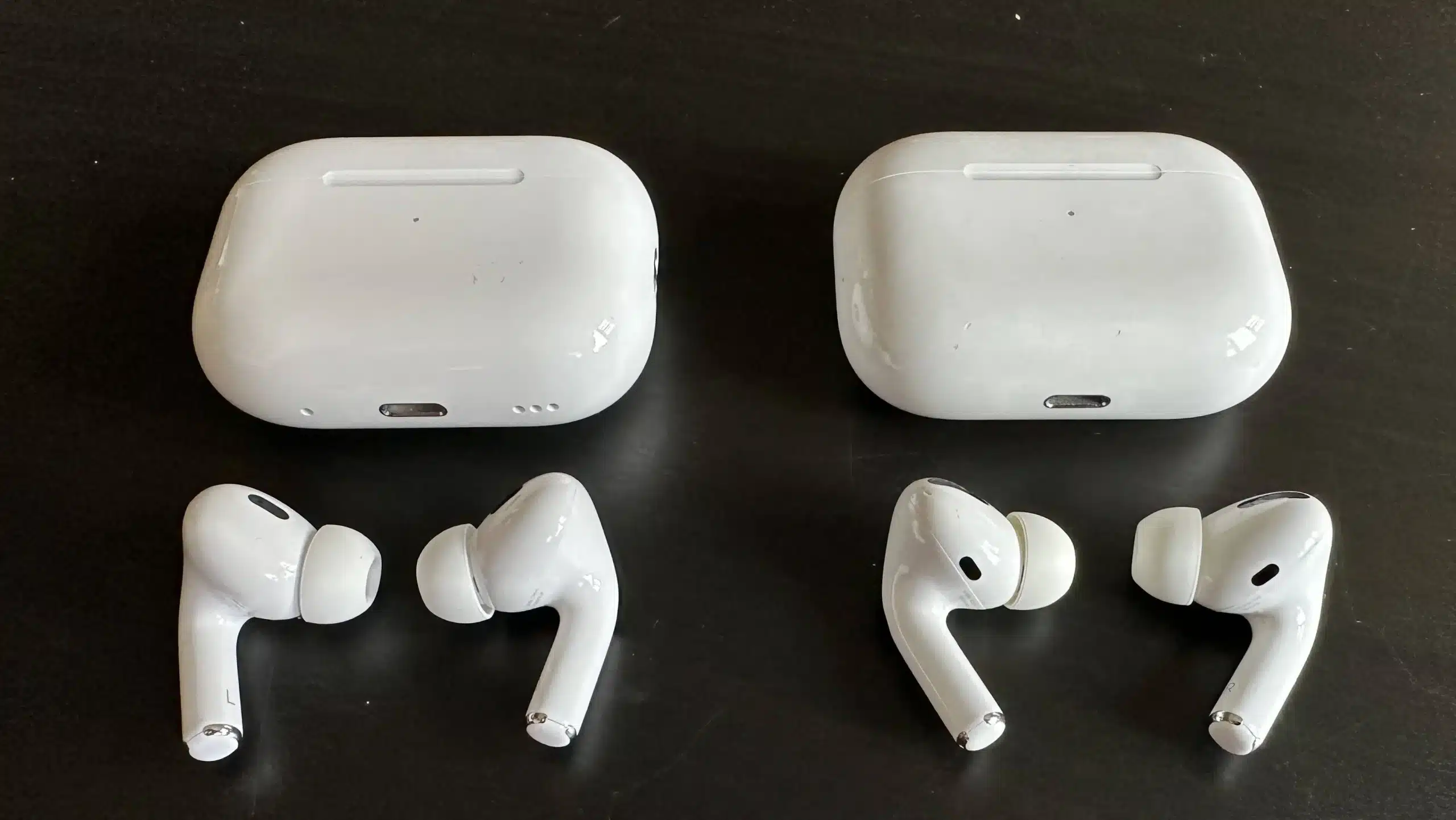
Counterfeiters have become extremely skilled at copying Apple’s design language. Fake AirPods Pro often replicate the charging case shape, LED behavior, packaging style, and even serial number placement. Some can temporarily connect to an iPhone and mimic Apple’s pairing animation.
What they cannot replicate is Apple’s internal quality control. Counterfeit AirPods Pro typically use cheaper batteries, unregulated charging circuits, and low-grade drivers. These shortcuts increase the risk of battery swelling, overheating, or sudden failure.
Sound quality is usually the first giveaway, but safety is the bigger concern.

Battery and Safety Risks
The battery inside AirPods Pro is small but powerful. Apple designs it with strict thermal limits and protection systems. Counterfeit versions often use generic lithium cells without proper safeguards.
This can lead to excessive heat during charging, rapid battery degradation, or in rare cases, swelling inside the earbuds or case. Because these products are worn in your ears, any failure carries a higher safety risk than many other accessories.
Apple does not certify or support these batteries, and there is no guarantee of long-term stability.
Performance and Feature Limitations
Even when fake AirPods Pro connect to an iPhone, core features rarely work correctly. Active Noise Cancellation, Transparency mode, Adaptive Audio, and spatial audio depend on Apple-designed chips and tightly integrated software.
Counterfeit models usually rely on basic Bluetooth chips that simulate these modes rather than actually performing them. The result is inconsistent audio, delayed switching, poor microphone quality, and unreliable call performance.
Firmware updates also do not apply to counterfeit AirPods Pro, meaning they quickly fall behind as iOS evolves.
How to Identify Counterfeit AirPods Pro
There are several warning signs that should raise suspicion.
Unusually low prices are the most common indicator. AirPods Pro rarely receive deep discounts outside official sales. Packaging quality can also reveal issues, such as blurry printing, incorrect spacing, or missing documentation.
Serial numbers are another key check. Counterfeit AirPods Pro often reuse real serial numbers copied from genuine units. While the serial number may appear valid on Apple’s website, mismatches between the box, case, and earbuds are a red flag.
In iOS, fake AirPods Pro may fail to display detailed settings, firmware information, or proper battery status for each component.
Where Most People Get Scammed
Online marketplaces and social media listings are the most common sources of counterfeit AirPods Pro. Scammers often advertise “sealed,” “new,” or “gift” units at prices that feel just low enough to seem believable.
Unauthorized third-party retailers and pop-up shops also pose risks. Without Apple’s authentication and return policies, buyers have little recourse once the product fails.
Buying from Apple or authorized retailers dramatically reduces this risk.
How to Avoid Counterfeit AirPods Pro
The safest option is to purchase directly from Apple or Apple Authorized Resellers. These sellers guarantee genuine products, valid warranties, and proper support.
If buying secondhand, insist on original proof of purchase and test the AirPods thoroughly. Check firmware details, feature behavior, and serial number consistency across the box, case, and earbuds.
If a deal feels rushed or unusually cheap, it usually is.
What to Do If You Already Bought Fake AirPods Pro
If you suspect your AirPods Pro are counterfeit, stop using them immediately. Apple will not service or repair fake products, but they can help confirm authenticity.
Report the seller to the platform where the purchase occurred. In some cases, payment providers may offer buyer protection if the item was misrepresented.
Counterfeit AirPods Pro are not just a bad purchase — they are a safety risk. Knowing how to spot them protects both your wallet and your well-being.


