

Apple Services growth became one of the clearest business stories coming out of 2025. The company described the year as record-breaking for Services, pointing to stronger global engagement across the App Store, Apple TV, Apple Music, Apple News, Apple Pay, iCloud, and other digital products. The numbers show why this part of the company now carries so much weight. Apple said the App Store alone reached more than 850 million average weekly users globally, while developers have earned more than $550 billion through the platform since 2008.
That scale also showed up in Apple’s financial results. In fiscal 2025, Services net sales rose to $109.34 billion, up from $96.17 billion in fiscal 2024, according to Apple’s Form 10-K. Apple said the increase was driven mainly by higher sales from advertising, the App Store, and cloud services. By the first quarter of fiscal 2026, Services reached another all-time quarterly revenue record of $30 billion, up 14 percent from the year before.
The meaning is straightforward: Services are no longer just an add-on to hardware. They are now one of Apple’s largest growth engines, built on top of a device base that keeps expanding. Apple said its active installed base passed 2.5 billion devices in the first quarter of fiscal 2026. That gives Services a reach few companies can match, because every active iPhone, iPad, Mac, Apple Watch, Apple TV, or Vision device can become a gateway to storage, payments, subscriptions, apps, games, music, video, news, fitness, support, and cloud features.
Services Became Apple’s Second Engine
The iPhone remains the center of Apple’s business, but Services changed the company’s rhythm. Hardware revenue depends on purchase cycles. Services revenue continues after the device is sold. A customer may keep the same iPhone for three or four years, but still pay every month for iCloud, Apple Music, Apple TV, AppleCare, App Store subscriptions, or Apple One.
That is why the $109.34 billion Services figure for fiscal 2025 matters. It places Services far beyond the scale of a side business and closer to a platform economy operating inside Apple’s installed base. For comparison, Apple’s total fiscal 2025 net sales were $416.16 billion, meaning Services represented more than a quarter of the company’s annual revenue.
The growth also gives Apple more stability. A hardware launch can outperform or disappoint in a given quarter. Services revenue is more recurring by nature. Subscriptions, storage plans, payment activity, advertising, warranties, licensing, and App Store activity create a more continuous stream of revenue across the year.
Apple’s fiscal 2025 filing shows that Services growth was led by advertising, the App Store, and cloud services. That mix is important because it reveals where user behavior is moving. More people are paying for cloud storage, spending through apps, subscribing inside the ecosystem, and using Apple’s digital infrastructure as part of daily life.
The App Store remains the most visible piece of this business. Apple said the store saw more than 850 million average weekly users globally in 2025, and developers have earned more than $550 billion since the App Store launched in 2008. That makes the App Store not only a services product but also an economic platform for developers, publishers, game studios, subscription apps, productivity tools, and digital businesses built around Apple devices.
That developer economy helps Apple in two directions at once. It gives users more reasons to stay on Apple devices, and it gives developers access to one of the world’s most valuable consumer audiences. Every successful app strengthens the platform. Every paid subscription or in-app purchase adds to the Services layer.

iCloud, Payments, and Media Keep the Relationship Active
The Services story is not only about the App Store. iCloud has become one of Apple’s most practical recurring products because it solves a problem that grows every year: people keep more photos, messages, files, backups, passwords, and device data than ever before. The free 5GB tier is enough only for light use. Many users eventually move to paid storage, especially if they rely on iCloud Photos, device backups, family sharing, or multiple devices.
That makes iCloud a natural services engine. It does not need to sell itself with entertainment or novelty. It becomes valuable because the user’s digital life grows. Each new device, photo library, backup, or family member increases the usefulness of paid storage.
Apple Pay adds a different kind of value. It makes the iPhone and Apple Watch more useful at checkout, online, in apps, and in transit systems where supported. Payment services also reinforce trust. Users who rely on Apple Pay are not only using a feature. They are bringing the device deeper into daily financial behavior. That strengthens the role of the iPhone beyond communication and media.
Apple Music and Apple TV build another layer of daily engagement. Apple’s January 2026 Services update described 2025 as a year of growth, global expansion, and continued innovation across entertainment and everyday services. Apple TV continued building prestige through original programming, while Apple Music kept expanding as a subscription product tied closely to iPhone, CarPlay, AirPods, HomePod, Mac, and Apple TV.
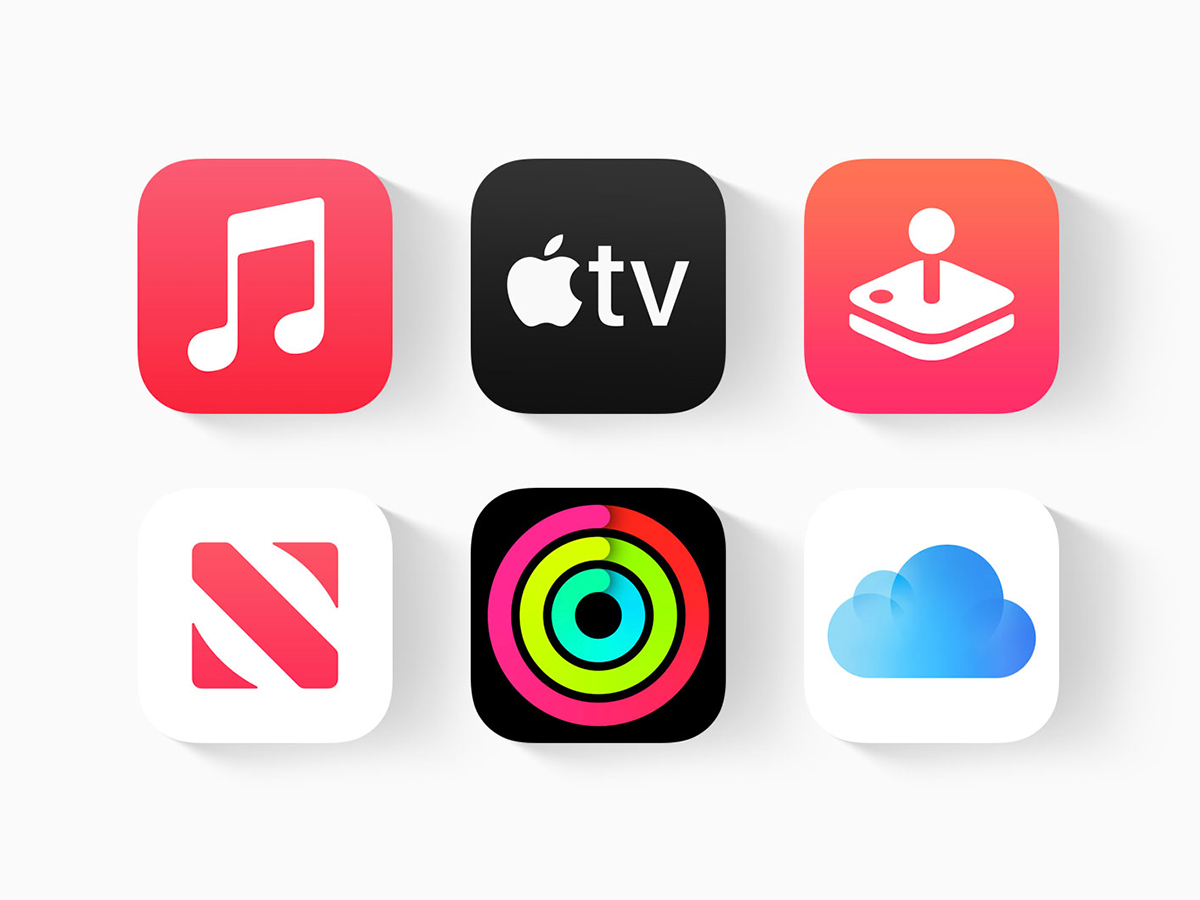
This is where Apple’s services strategy becomes especially effective. Each service is useful on its own, but the real strength comes from how they work together. iCloud keeps data consistent. Apple Pay handles transactions. Apple Music supplies listening across devices. Apple TV turns the ecosystem into an entertainment screen. AppleCare protects hardware. App Store subscriptions fill in specialized needs.
The device becomes the entry point. Services become the relationship.


Installed Base Turns Scale Into Revenue
Apple’s active installed base is the foundation under the whole Services business. The company said it had more than 2.5 billion active devices as of the first quarter of fiscal 2026. That number matters more than any single quarterly hardware shipment because it shows the size of Apple’s living ecosystem.
A large installed base gives Apple multiple advantages. It lowers the cost of introducing new services, because Apple does not need to build a customer base from zero. It increases the value of software updates, because new features can reach enormous numbers of users. It also makes bundled services more attractive, because many households already use several Apple devices.
Apple One fits this model neatly. A user with iPhone, iPad, Mac, Apple Watch, AirPods, and Apple TV is more likely to see value in a bundle that combines storage, music, video, games, fitness, and news. The more devices in the household, the more natural Services become.
That is why Services growth after 2025 should be viewed as part of Apple’s broader economics, not as a separate digital division. Apple’s devices create the installed base. The installed base creates the services opportunity. Services make the devices more valuable. The loop strengthens itself.
Apple’s record Services year also changes how the company can approach future product cycles. If iPhone upgrades slow in one region, Services can still grow through the existing installed base. If Mac or iPad sales fluctuate, users can still pay for iCloud, apps, subscriptions, AppleCare, or media. That does not remove hardware risk, but it gives Apple a more balanced business.
The Next Phase After a Record Year
After crossing $109 billion in fiscal 2025 Services revenue and reaching a $30 billion quarterly Services record in fiscal Q1 2026, Apple now has to keep proving that this part of the business can grow without weakening user trust. That is the delicate balance. Services work because they feel connected to the products people already use. If they become too aggressive, too crowded, or too dependent on fees inside the ecosystem, the strength of the model can become a source of regulatory and user tension.
That pressure is already part of Apple’s landscape. App Store fees, payment rules, default services, cloud storage, and platform control continue to draw attention from regulators around the world. A Services business this large will face scrutiny because it sits directly between Apple’s hardware power and the digital economy running on top of it.
The business case remains strong. Services give Apple recurring revenue, higher engagement, and more ways to add value after a device sale. The user case depends on keeping those services useful, trusted, and naturally tied to the ecosystem. That is where Apple’s next challenge sits after a record 2025.
The numbers show the scale. More than $109 billion in annual Services net sales. A $30 billion all-time quarterly Services record. More than 850 million average weekly App Store users. More than $550 billion paid to developers since 2008. More than 2.5 billion active devices across the installed base. Apple’s Services business is now large enough to shape the company’s next decade, not just support it from the side.
